The María Reiche Museum in Nasca isn’t just a collection of artifacts—it’s a tribute to the woman who devoted her life to unraveling one of Peru’s greatest mysteries. María Reiche, a German mathematician and archaeologist, arrived in Peru in the mid-20th century and never left, captivated by the enigmatic Nazca Lines etched across the desert plateau. Her name became synonymous with these massive geoglyphs, and the museum bearing her name tells the story of how one determined researcher transformed global perceptions of this ancient phenomenon.
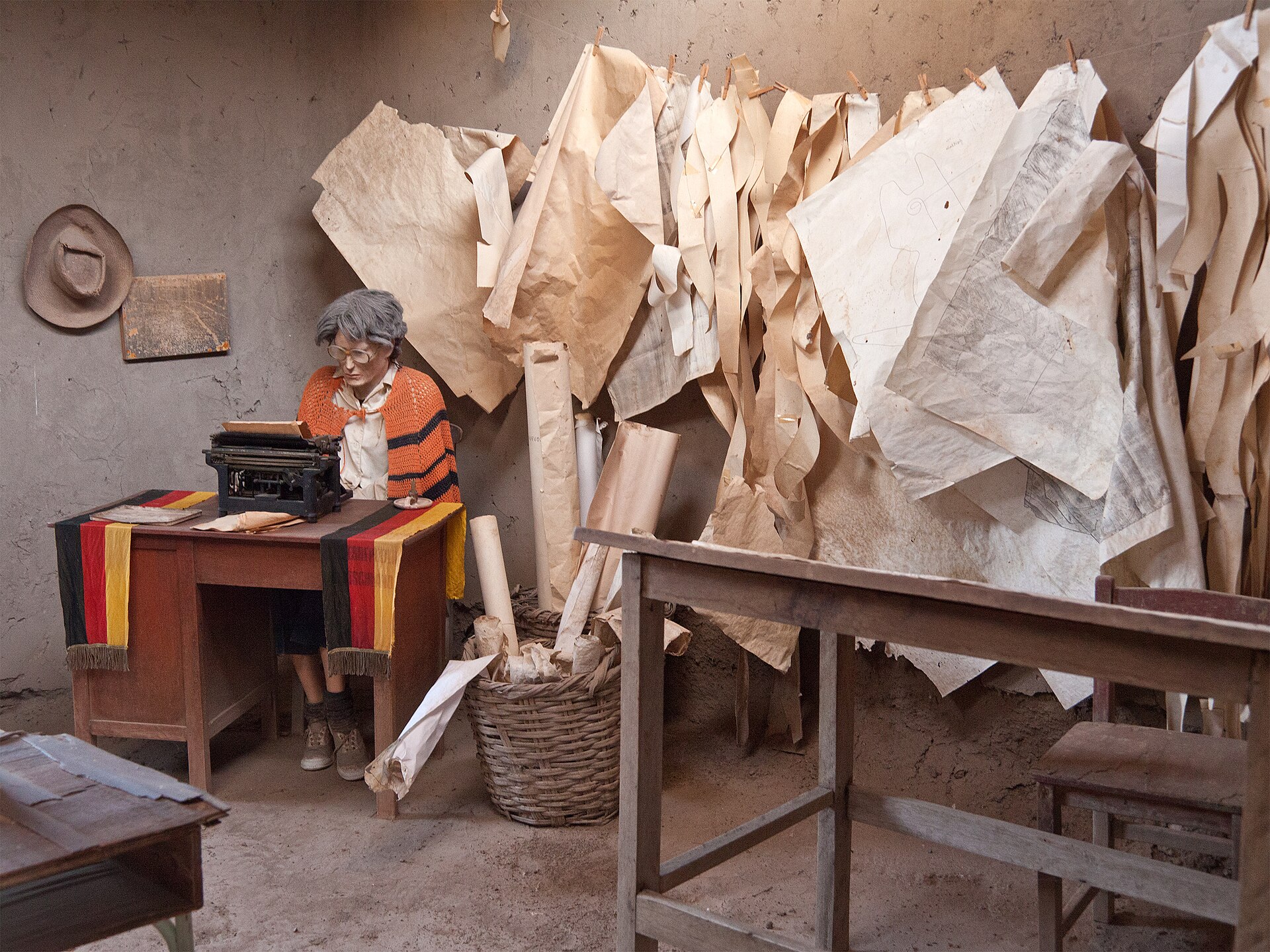
The museum sits close to the very plateau where the famous lines stretch across the arid landscape. Its building is unassuming, blending into the desert surroundings, but inside, the history it holds is anything but ordinary. There are no grand halls or flashy displays—just a quiet, respectful presentation of Reiche’s legacy. The exhibition begins with her life: photographs, personal belongings, and handwritten notes that make it feel as though she might walk in at any moment to continue her work.
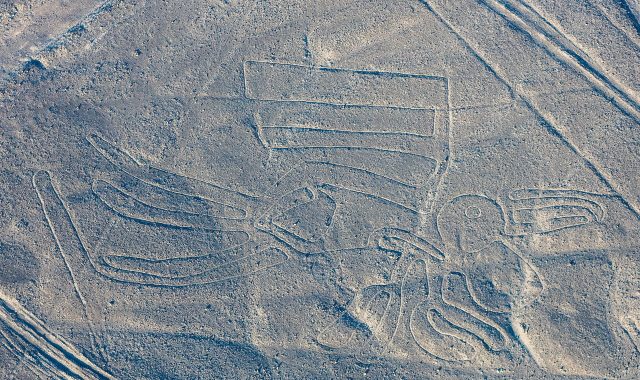
The Nazca Lines are, of course, the heart of the museum. Created by the ancient Nazca civilization between 500 BCE and 500 CE, their purpose remains debated. Some believe they served as an astronomical calendar, others as ritual pathways, and a few even suggest they were messages to extraterrestrial beings. Reiche was convinced they had an astronomical function, used to track celestial movements. The museum displays her calculations, maps, and aerial photographs, offering insight into how she reached her conclusions.
One of the most striking parts of the exhibition is the scale models of the lines. These replicas give visitors a sense of just how vast the geoglyphs are—some stretching hundreds of meters, visible only from above. Nearby, simple tools used by the Nazca people to create the lines are on display: wooden stakes, ropes, and stones. It’s hard to imagine how such basic instruments could produce such precise and intricate designs.
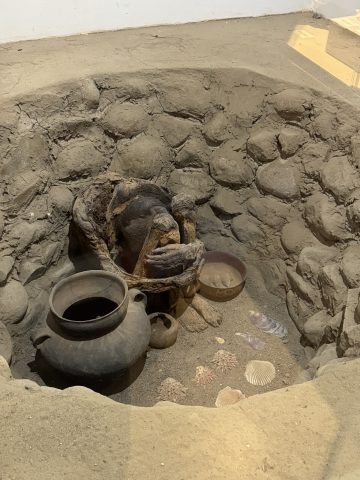
Beyond the lines, the museum also explores the culture of the Nazca people. Pottery, textiles, and jewelry provide a glimpse into the lives of those who once inhabited this desert region. The collection of burial masks and ceremonial vessels is particularly fascinating, showcasing the craftsmanship and symbolism of a civilization that thrived long before the Spanish arrived.
Reiche didn’t just study the lines—she fought to protect them. The harsh desert environment, with its winds and occasional rains, slowly erodes the ancient drawings. For decades, she worked to raise awareness about their preservation, eventually helping secure their status as a UNESCO World Heritage Site. The museum continues this mission, explaining the ongoing efforts to safeguard the geoglyphs and why their survival matters.
Visiting the museum is more than an educational experience—it’s a chance to connect with the spirit of the place. The surrounding desert may seem barren, but it was here that one of history’s most intriguing cultures left its mark. The museum bridges the gap between past and present, showing why the Nazca Lines still captivate researchers and travelers alike.
Reiche spent over fifty years in Nasca, living in a modest house near the museum until her death in 1998. Her work lives on, not just in the exhibits but in the ongoing research conducted here. The museum remains a hub for archaeologists, astronomers, and historians drawn to the mystery of the lines.
Ultimately, the María Reiche Museum is more than a collection of artifacts—it’s a story of passion, perseverance, and the enduring allure of the unknown. It’s about how one woman changed the way the world sees an ancient wonder and how her legacy continues to inspire those who seek to understand it. And, of course, it’s about the Nazca Lines themselves—a puzzle that still waits to be fully solved.