Malang Museum is the kind of place that reveals a city not through its bustling streets or tourist hotspots, but through quiet halls where time seems to pause. Tucked away in the heart of old Malang, the building itself is a piece of history. Constructed in the early 20th century during the colonial era, its architecture carries the weight of that period—tall ceilings, sturdy wooden doors, and stained-glass windows that filter soft light into the rooms. There’s no grandeur here, no attempt to impress with opulence. Instead, it feels like stepping into a home where people once lived, and where the past now lingers in the details.
The museum’s collection isn’t vast or flashy, but it’s carefully curated, as if each item was chosen not to dazzle, but to remind. The exhibits include everyday objects, photographs, documents, and artifacts that trace the history of Malang and East Java. One of the most compelling sections focuses on traditional crafts—batik textiles, wooden masks, ceramics, and silverwork. These aren’t just relics behind glass; they feel alive, telling stories of the people who made and used them, of skills passed down through generations.
A separate room is dedicated to Malang’s colonial past. Old maps, photographs of streets that have barely changed in a century, and personal items belonging to Dutch officials and local elites offer a glimpse into that era. There’s no romanticizing of colonialism here, nor any harsh judgment—just a quiet acknowledgment of how different cultures intersected in this city. Malang has always been a crossroads, a place where traders, missionaries, and adventurers converged, leaving behind layers of history that the museum presents without embellishment.
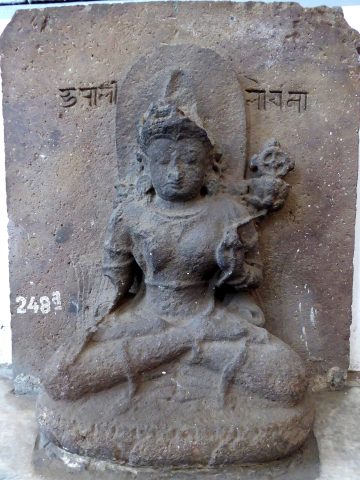
One of the most intriguing parts of the collection explores local traditions and beliefs. In Indonesia, where Islam, Hinduism, Buddhism, and ancient animist practices coexist, these exhibits shed light on how faith and culture intertwine. Ritual objects, ceremonial masks, amulets, and charms reveal a world governed by its own rhythms, often invisible to outsiders. Some items may seem unfamiliar, even strange, but that’s precisely what makes them fascinating—they offer a window into a way of life that persists alongside modernity.
This isn’t a museum that relies on interactive displays or high-tech installations. The setup is straightforward: wooden cases, labels in Indonesian and English, and an atmosphere of quiet reflection. In an age where museums often prioritize entertainment, Malang Museum feels refreshingly unhurried. Each room is like a chapter in a book, meant to be explored at a leisurely pace, with time to revisit the details that catch your eye.
The museum’s location adds to its charm. It sits in a neighborhood where old Malang still lingers—narrow streets, low-slung houses with tiled roofs, small shops selling spices and tea. A visit here can easily become part of a broader exploration of the city. After wandering the exhibits, it’s worth stopping at a nearby café for a cup of local coffee or strolling through the market to see how Malang lives today. The museum isn’t cut off from its surroundings; it’s woven into them, a bridge between the past and the present.
It’s true that Malang Museum isn’t as well-known as the major museums in Jakarta or Yogyakarta, and that might be for the best. There are no crowds here, no rush for the perfect photo, no commercial hustle. This is a place for those who want to understand a city not through its most famous landmarks, but through the quiet, everyday things that once mattered to its people. The real value of the museum isn’t in spectacle—it’s in the way it makes you pause and think.