Malang City
Indonesia · 4 places
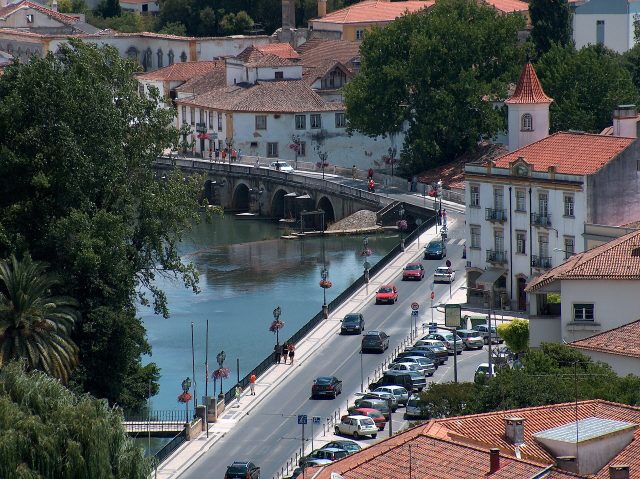
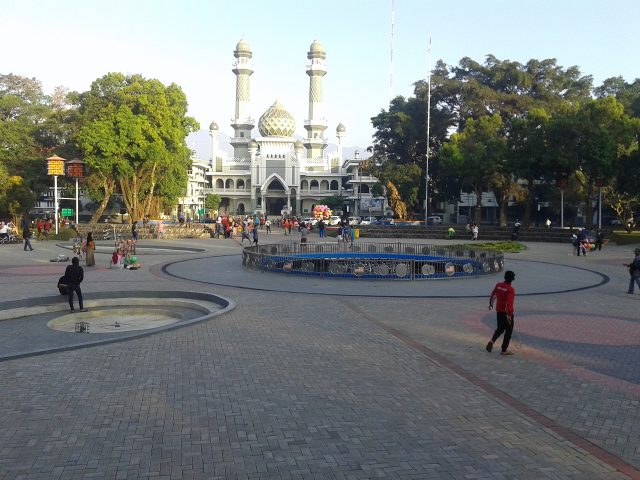
Photo: Andhika bayu nugraha, CC BY-SA 4.0
Malang feels like a place where time has paused, yet it moves forward in its own quiet way. Nestled in the highlands of East Java, surrounded by volcanoes and rolling green hills, the city sits nearly a thousand meters above sea level. The air here is cooler than in most of Indonesia, a relief from the tropical heat that once made it a favorite retreat for Dutch colonists. Today, it’s a university town, where students rush between lectures and tourists come seeking a slower pace, drawn by the crisp mountain breeze and the unhurried rhythm of life.
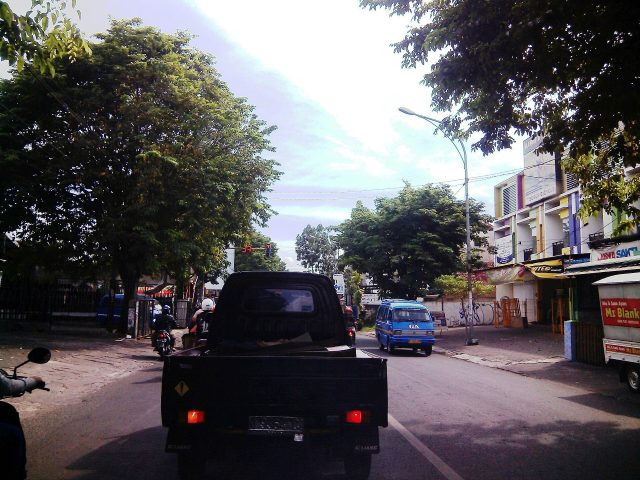
The city is small, but it carries a distinct character. Colonial-era mansions with tall ceilings and intricate wooden shutters stand alongside traditional Javanese homes, their facades adorned with delicate carvings. The streets are narrow, often crowded with motorbikes and cycle rickshaws, but wander into a side alley, and you might stumble upon a hidden courtyard café or a tiny shop selling local sweets. The Pasar Bubur market is a world of its own, where vendors sell everything from fresh fruit and spices to old coins and antiques. It’s also the perfect place to try Javanese dishes—spicy curries, grilled fish with aromatic herbs, or sweet ginger tea—served with the kind of warmth that makes you feel like a regular, not a visitor.
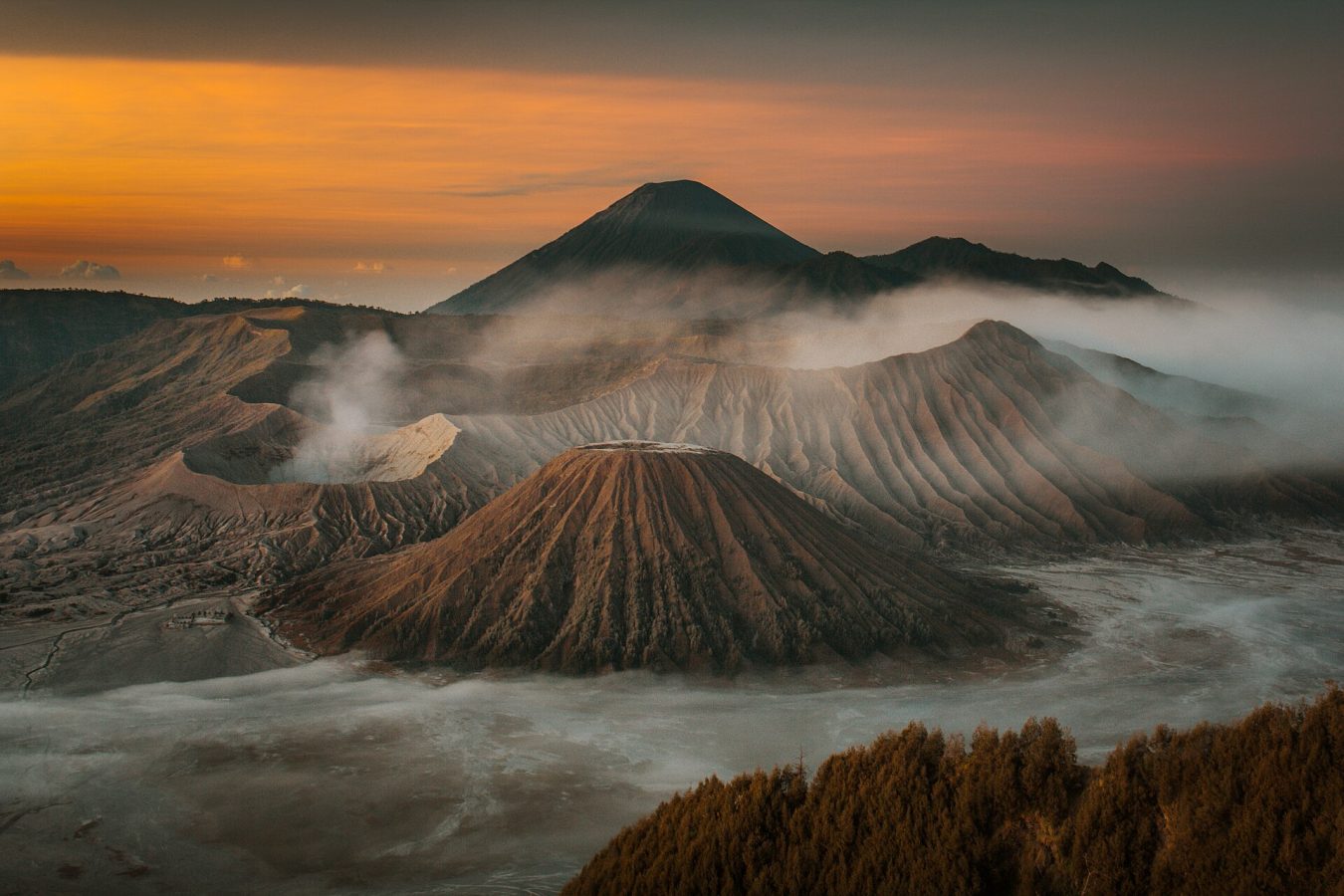
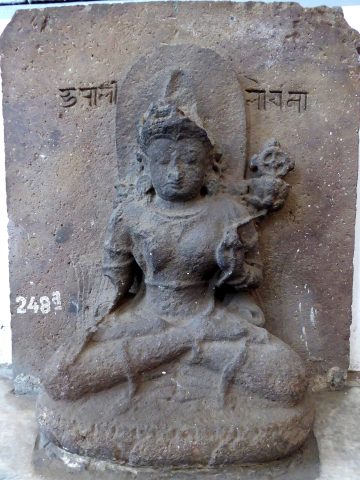
Malang is often called the gateway to East Java’s natural wonders. From here, it’s easy to reach Mount Bromo, one of Indonesia’s most famous volcanoes, or the waterfalls tucked away in the nearby mountains. But the city itself has its own quiet attractions. There’s Selecta Park, where you can wander among blooming trees and fountains, or the Mpu Purwa Museum, home to artifacts from the ancient Singhasari kingdom. Then there are the old temples, like Jago and Kidal, remnants of a time when Hindu dynasties ruled Java. They’re not as polished or touristy as Bali’s temples, which only makes them more intriguing.
Life in Malang moves at its own pace. Mornings begin with the crowing of roosters and the hum of motorbikes, while vendors set up stalls selling fresh fruit and street food. By evening, cafés and restaurants fill with students and locals, the air buzzing with conversation. There’s no rush here, no pressure to see or do everything at once. You could spend an afternoon in a coffee shop, watching the world go by, or hike into the hills to catch the sunset over the valley. Malang doesn’t try to impress—it simply exists, and that’s what makes it so appealing.
See & Do
4 places
Places on the map
Marker colour follows the categoryClimate and weather
Detailed weather: Malang City- Average temperature
- 23 °C
- Precipitation per year
- 2837 mm
- Average humidity
- 83 %
- Sunshine hours per day
- 9.6 h
- Time zone
- UTC+7 (GMT+7)
Average air temperature
°C
23
24
24
24
24
23
22
23
23
25
24
24
Jan
Feb
Mar
Apr
May
Jun
Jul
Aug
Sep
Oct
Nov
Dec