Jago Temple sits on the edge of Malang, a quiet witness to a time when East Java was the heart of the powerful Singhasari kingdom. Built in the mid-13th century, it was dedicated to King Vishnuvardhana, one of the last rulers of that dynasty. His name can still be faintly made out in the worn inscriptions at the temple’s base. Unlike the more famous temples of Bali, Jago doesn’t impress with towering spires or intricate carvings. Instead, its charm lies in its understated presence—a place that feels suspended in time, where rituals once unfolded under the rustling of palm leaves.
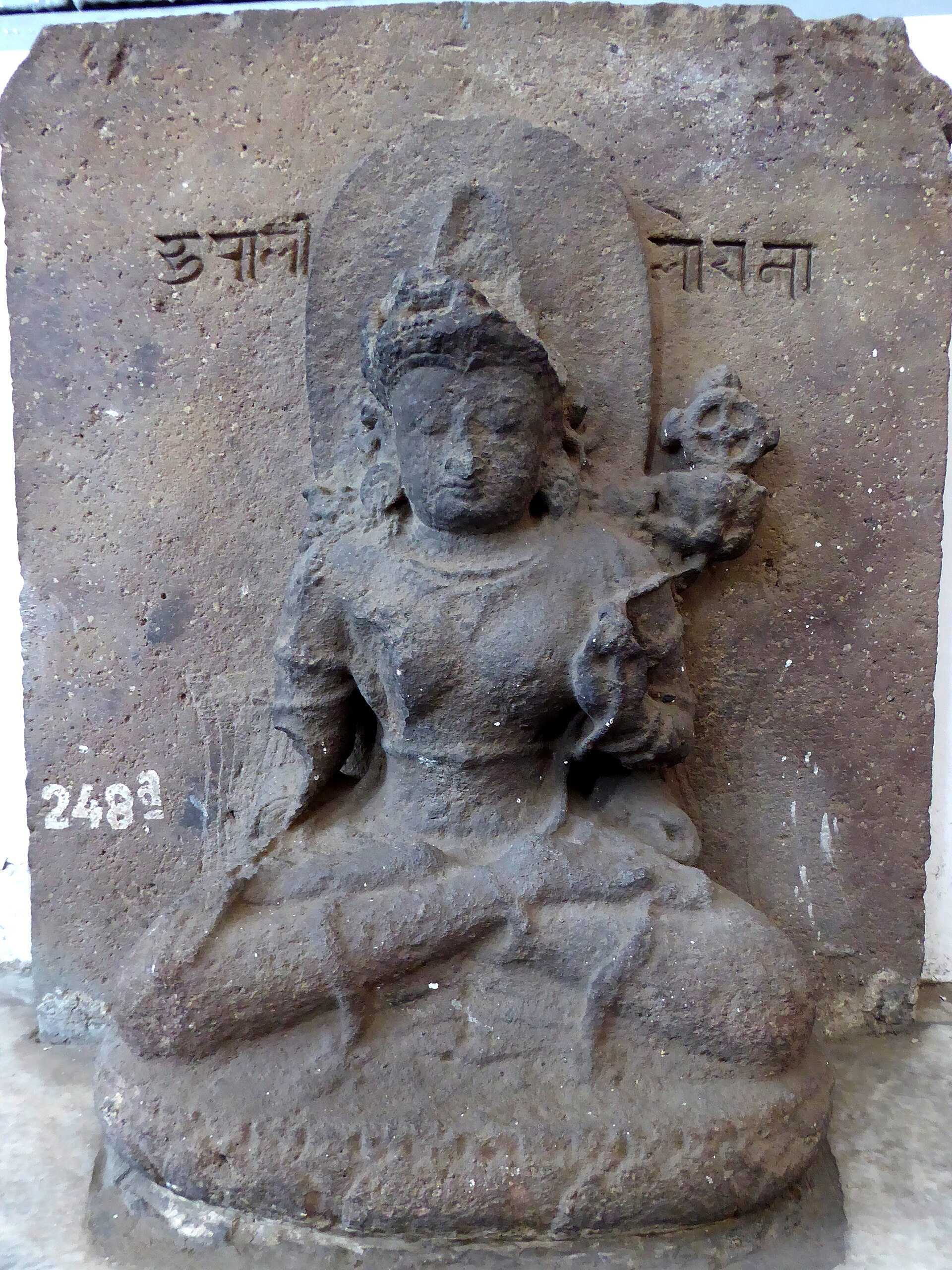
The architecture of Jago is unusual for a Javanese temple. Rather than the typical stepped pyramid, it rises in terraced layers, more reminiscent of a Buddhist stupa than a Hindu sanctuary. Three tiers narrow as they ascend, each once home to statues of deities, many of which have since been lost. The lower level is particularly striking, its walls adorned with bas-reliefs depicting scenes from the Ramayana and Mahabharata. The figures—warriors in armor, charging elephants, gods watching over mortals—are carved with such vitality that they seem almost alive, frozen in a moment of ancient storytelling.
Time has not been kind to Jago. Earthquakes, rain, and the relentless humidity of the tropics have worn away parts of the reliefs, leaving some statues headless or limbless. Yet these signs of decay only add to the temple’s character. There’s no polished perfection here, no sterile restoration. Jago feels like a living piece of history, not a museum exhibit under glass. Locals still visit, leaving simple offerings of flowers, rice, or incense at its base, a quiet continuation of traditions that stretch back centuries.
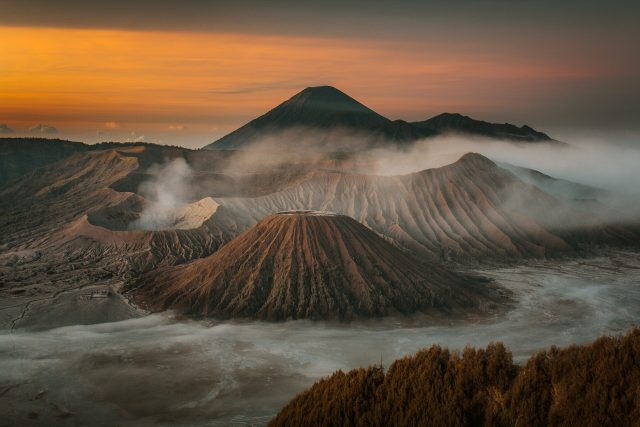
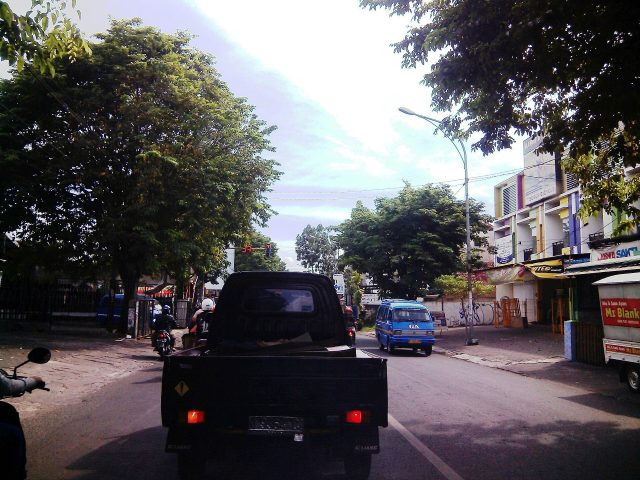
Visiting Jago is less about ticking off a tourist attraction and more about stepping into the past. The temple is surrounded by rice fields, with the distant silhouettes of volcanoes looming on the horizon—mountains once believed to be the dwelling places of gods. In the early morning, when the sun begins to warm the stone, the air is still. You can sit on one of the steps and imagine the priests who walked these same stones seven hundred years ago, the scent of sandalwood and flowers lingering in the air. Even now, with a busy road nearby, a few steps away from the temple and the noise of the city fades, replaced by the sounds of nature.
Jago isn’t one of Indonesia’s most hyped destinations, and that’s part of its appeal. There are no crowds of tourists with cameras, no souvenir stalls or pushy guides. Instead, there’s silence, broken only by birdsong and the rustle of leaves. The temple doesn’t demand attention; it invites you to slow down, to simply be in its presence. For those interested in Southeast Asian history, Jago is a hidden gem. It may not have the grandeur of Borobudur or the mystery of Prambanan, but its quiet dignity is what makes it special.
The temple is under state protection, though preservation efforts remain modest. Signs ask visitors not to touch the reliefs, but there are no barriers or protective coverings to shield the stone from erosion. Perhaps that’s for the best—Jago should remain part of the living landscape, not an isolated monument. Still, visitors should tread carefully; some steps are worn smooth by time and can be slippery, especially after rain.
If you find yourself in Malang, Jago is worth a visit, if only to see how history and nature intertwine in one place. It’s not a temple that will dazzle you at first glance, but one that lingers in your memory long after you’ve left. There are no bright colors or ostentatious details here, just a sense of authenticity that’s increasingly rare in the modern world. Jago is a place where you can touch the past without the distractions of noise and haste. And perhaps that’s its greatest value.