The Wa Cultural Museum sits quietly in Wa, the capital of Ghana’s Upper West Region. It doesn’t stand out with grand architecture or flashy displays. Instead, it shows how the Wala people, one of the region’s largest ethnic groups, have lived for generations. The objects on display are everyday items—tools, household goods, things used in daily life and celebrations.
The museum opened in the late 20th century when local leaders and community members decided to preserve Wala heritage. Unlike Ghana’s national museums in Accra or Kumasi, this one focuses only on the local. The collection starts with farming and hunting tools and ends with items that show how life has changed with time. There’s no attempt to impress—just a careful selection of what matters to the people here.
Ritual objects take up one of the most interesting sections. Wooden masks, musical instruments, and ceremonial adornments are displayed together. Some of these items are still used in villages around Wa, and locals sometimes lend them to the museum for exhibitions. This keeps the connection between past and present alive. The museum doesn’t just preserve history; it shows how traditions remain part of daily life.
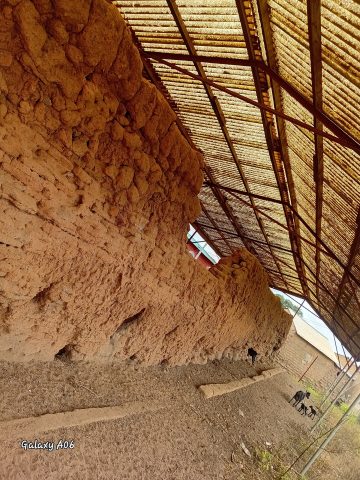
The building itself follows local architectural traditions. Mud-brick walls and a thatched roof keep the interior cool. Small windows block the harsh sun. The layout encourages slow exploration. Not every description is in English, but many objects don’t need words—a farming tool, a woven basket, or a drum tells its own story.
This isn’t a place for selfies or souvenirs. There are no interactive exhibits, just a quiet space to think about what culture means to the people of this part of Ghana. For travelers looking beyond the usual tourist spots, the museum offers a different view—one shaped by traditions that have lasted for centuries.
Wa moves at its own pace. Unlike Ghana’s more tourist-friendly cities, it hasn’t been polished for visitors. Life here follows agriculture and local festivals. The museum connects the city to the surrounding villages, where people still build homes from mud and thatch and women weave cloth on traditional looms. Some guides are elders who remember life before Ghana’s independence. They don’t just explain—they share their own memories.
A visit here can lead to exploring nearby villages. Outside Wa, life hasn’t changed much in decades. You might see women cooking over open fires, taste palm wine straight from the tree, or watch artisans at work. The museum helps make sense of it all. It’s not about idealizing the past but understanding how culture shapes identity.
The Wa Cultural Museum won’t be the main attraction for most travelers. It’s small, unassuming, and far from Ghana’s biggest sights. But that’s why it’s worth a visit. There are no crowds, no rush. Just a quiet place to think about what it means to preserve a way of life. For those who want to see Ghana beyond its beaches and cities, this museum offers something real—a deeper look at the people who live here.