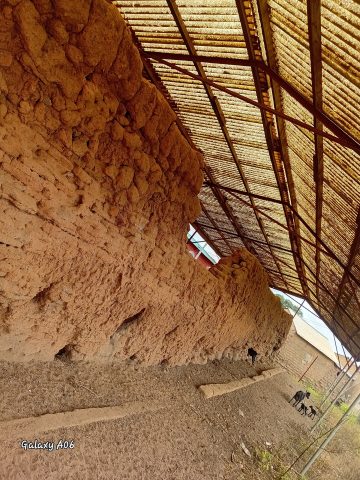
The Wa Naa Mausoleum is one of those rare places where history isn’t just remembered—it lingers in the air, in the earth beneath your feet, in the quiet conversations of those who still honor its weight. Tucked away in Wa, the capital of Ghana’s Upper West Region, this site serves as the final resting place for the Wa Naas, the traditional rulers of the Wala people. Their lineage stretches back centuries, a chain of leadership that has shaped the region’s identity, politics, and culture. The mausoleum isn’t merely a monument to the dead; it’s a living archive, where the past isn’t preserved behind glass but woven into the fabric of daily life.
The architecture here is unassuming yet deliberate, a reflection of the practical and spiritual needs of the Wala people. The complex consists of low, earthen structures with flat roofs, built in the style typical of northern Ghana. The walls are adorned with geometric patterns molded from clay and ochre, each design carrying meaning—some denote the rank of the buried ruler, others commemorate key events of their reign. Inside, the dim light and the scent of dry earth and incense create an atmosphere that feels both solemn and intimate. There’s no grandiosity, no attempt to impress with scale or opulence. Instead, the space invites quiet reflection, a reminder that power, in this context, isn’t about display but about continuity.
For the Wala people, the mausoleum is far more than a burial site. It’s a sacred hub, the heart of their spiritual and communal life. When a reigning Wa Naa passes, his body is brought here in a procession marked by songs, dances, and offerings. The rituals aren’t just for the royal family; the entire community participates, reinforcing the bond between the living and the dead. These ceremonies aren’t relics of the past but active traditions, a way of ensuring that the wisdom and authority of the ancestors remain a guiding force. The mausoleum is where the Wala people come to seek blessings, settle disputes, or simply reconnect with their heritage. It’s a place where the line between the physical and the spiritual blurs, where the past is never truly gone.
The history of the mausoleum is inseparable from the history of Wa itself. The city has long been a crossroads of trade and influence in northern Ghana, its rulers known for their diplomatic skill and ability to maintain stability in a region often marked by conflict. The first burials here likely date back to the 16th century, when Wa emerged as the capital of the Wala kingdom. Over the centuries, the mausoleum has witnessed the rise and fall of dynasties, the arrival of European colonizers, and the slow march of modernity. Yet through it all, the tradition of burying the Wa Naas here has endured, a thread connecting the present to a time when the city was a center of power in its own right.
Visiting the mausoleum offers a glimpse into a way of life that resists easy categorization. It’s not a tourist attraction in the conventional sense—there are no guided tours, no gift shops, no carefully curated exhibits. Instead, it’s a place where history is kept alive through stories, passed down orally from one generation to the next. If you’re lucky, a local elder might share tales of past rulers, explaining the significance of the patterns on the walls or recounting how the city has changed over the years. But this isn’t a performance for outsiders; it’s a conversation, one that requires patience and respect. The mausoleum isn’t just a site to observe—it’s a place to listen.
Wa itself is a city that rewards those who take the time to look beyond the surface. It’s one of the most culturally rich towns in northern Ghana, where the rhythms of modern life coexist with deep-rooted traditions. The streets are lined with mud-brick houses topped with thatched roofs, a testament to the region’s architectural heritage. The markets buzz with activity, selling everything from handwoven textiles to locally crafted pottery. And then there are the mosques, a reminder that Islam has been part of the city’s identity for centuries. Wa doesn’t feel like a place clinging to the past; it feels like a place where the past is still very much alive, shaping the present in subtle but meaningful ways.
What makes the Wa Naa Mausoleum special is its refusal to be confined to the past. It’s not a relic, not a museum piece, but a living part of the community. The rituals performed here, the stories told within its walls, the very act of maintaining the site—all of it ensures that the history of the Wala people isn’t just remembered but actively lived. For travelers who see Ghana as more than just beaches and safaris, this is a place that offers something deeper: a chance to witness how history isn’t just something you read about but something you can feel, in the quiet hum of a city that has never forgotten its roots.
There’s a quiet power in places like this, where the weight of history isn’t measured in grand monuments but in the small, everyday acts of remembrance. The Wa Naa Mausoleum doesn’t demand attention; it earns it, through the stories it holds and the people who keep them alive. It’s a reminder that history isn’t just about the big moments—it’s also about the quiet, persistent threads that connect one generation to the next. And in a world that often moves too fast, that’s something worth slowing down for.