
Kumasi
Ghana · 8 places
Photo: Maven Egote, CC BY-SA 4.0
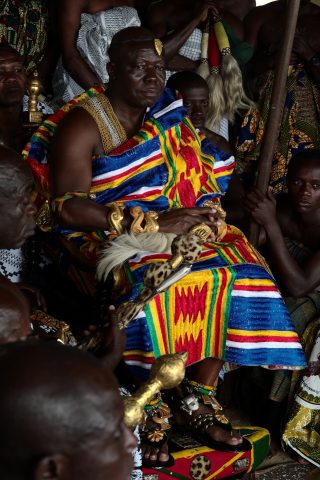
Kumasi doesn’t reveal itself at first glance. Unlike Accra, with its bustling beaches and glass-fronted high-rises, this city moves to a quieter rhythm, one shaped by centuries of Ashanti tradition. The streets wind through rolling hills thick with greenery, and during the rainy season, the jungle feels so close it almost spills onto the pavement. Here, history isn’t confined to museums—it’s woven into daily life, from the way people greet each other to the stories told in the patterns of handwoven kente cloth.
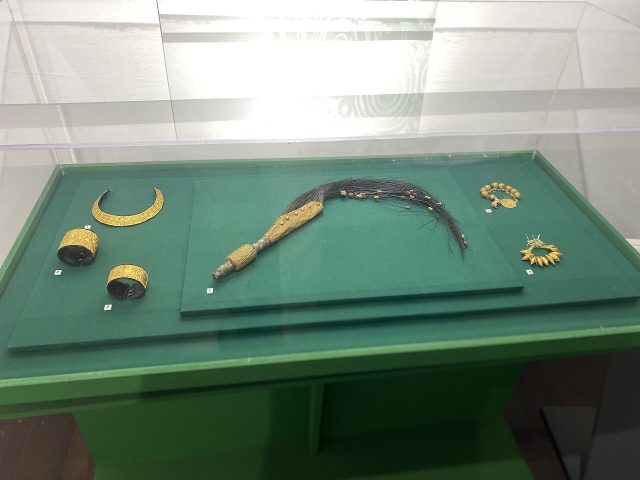
At the heart of Kumasi is Manhyia Palace, home of the Asantehene, the Ashanti king. The building itself is modest—a red-tiled roof, carved wooden pillars—but its presence is anything but. This is where the kingdom’s most important decisions are made, where elders gather to debate matters of tradition and governance. Just steps away, Kejetia Market sprawls in a riot of color and sound. One of West Africa’s largest markets, it’s a place where you can lose hours wandering past stalls of spices, handcrafted jewelry, and stacks of vibrant fabric. The air hums with bargaining voices, the scent of grilled plantains, and the occasional burst of laughter. It’s chaotic, alive, and utterly unfiltered.
Kumasi is often called Ghana’s cultural capital, and for good reason. Many traditions that have faded elsewhere still thrive here. Take the Adae festival, held on sacred days when the Ashanti honor their ancestors with drumming, dancing, and rituals that blur the line between past and present. Even outside festival season, the city pulses with creativity. In dimly lit workshops, weavers work looms with practiced hands, turning silk and cotton into kente, each pattern steeped in meaning. Elders might stop to explain the symbolism—how a particular design represents wisdom, or unity, or a proverb passed down through generations. It’s not a performance for tourists; it’s simply how things are done.
Life in Kumasi unfolds at its own pace, but that doesn’t mean it lacks energy. In local chop bars, you can try fufu, the starchy staple pounded from cassava and plantains, eaten with your hands and dipped into rich, spicy soups. Art galleries showcase contemporary works that draw from Ashanti motifs, while cafés offer a quiet spot to watch the city go by. For a break from the urban buzz, the nearby Bosomtwe Lake offers a serene escape. Surrounded by dense forest, the lake is sacred to locals, who believe its waters hold the spirits of the departed. The journey there is as much a part of the experience as the destination itself—winding roads, small villages, and the occasional glimpse of monkeys in the trees.
What makes Kumasi special isn’t its grand monuments or polished attractions. It’s the way the past and present coexist without pretense. There are no tourist traps here, no scripted experiences—just the raw, unvarnished rhythm of a city that has always been more than the sum of its parts. If Accra is Ghana’s face, Kumasi is its heartbeat. To understand it, you have to do more than look. You have to listen to the stories, taste the food, feel the weight of history in the air. And if you let it, the city will let you in—not all at once, but slowly, the way it does everything.
See & Do
All of them

Places on the map
Marker colour follows the categoryClimate and weather
Detailed weather: Kumasi- Average temperature
- 27 °C
- Precipitation per year
- 1381 mm
- Sunshine hours per day
- 2.1 h
Average air temperature
°C
29
29
28
28
28
26
26
25
26
26
28
28
Jan
Feb
Mar
Apr
May
Jun
Jul
Aug
Sep
Oct
Nov
Dec


