La Orotava is a town where traditions are lived, woven into its streets. The art of the alfombras—ephemeral carpets of flowers and volcanic sand—transforms the town during religious festivals. The Museo de las Alfombras is dedicated to this tradition, showing why people gather each year to turn cobblestones into a canvas that vanishes within hours.
The carpets began in the 18th century, when locals decorated streets for the Feast of Corpus Christi. Patterns once made of sand and petals now use volcanic ash in black, gray, and ochre, along with flowers, seeds, coffee beans, and cocoa. Each carpet tells a story through symbols, religious motifs, and Canary Islands culture. The artistry lies in the process—how materials are chosen, how colors blend, and how designs unfold before dawn.
The Museo de las Alfombras doesn’t feel like a typical museum. There are no glass cases. Instead, you see raw materials—piles of sand, trays of petals, tools used by artisans—and photographs of past carpets being made. Sketches and diagrams show how designs are planned. Workshops let you try crafting a small section, guided by makers who work on their knees, placing each grain and petal.
The museum’s photographs document La Orotava’s most famous carpets. One from 1999 celebrated the town’s 500th anniversary—a design spanning over a thousand square meters, made with tons of sand and flowers. Projects like this require teamwork, with dozens working through the night before the procession. The museum preserves these moments, showing how the tradition has grown.
Early carpets depicted biblical scenes or saints. Now, designs include landscapes, daily life, or abstract patterns. Some artists use glass, metal, or living plants. But the core idea remains: to create something beautiful that exists only briefly, admired for a single day before it fades.
Visiting the museum gives you a sense of the festival, even outside of June. Exhibits show the anticipation—streets closed to traffic, families gathering, artisans shaping designs. The air smells of flowers, the sound of tools brushing stone filling the space. It’s not just an exhibition; it’s an immersion in a tradition that binds generations.
To see the carpets in person, visit during Corpus Christi in June. The town becomes an open-air workshop. People spread sand, arrange petals, follow sketches on the pavement. The process is quiet—artists work in silence, hands moving with precision. The result is a temporary gallery of color and texture, a reminder of how beauty can be deliberate yet transient.
The museum also helps the tradition evolve. Young artists discuss new ways to keep it alive, like creating carpets for contemporary festivals or using digital tools to document designs. It acts as a bridge between old and new, ensuring the alfombras stay relevant.
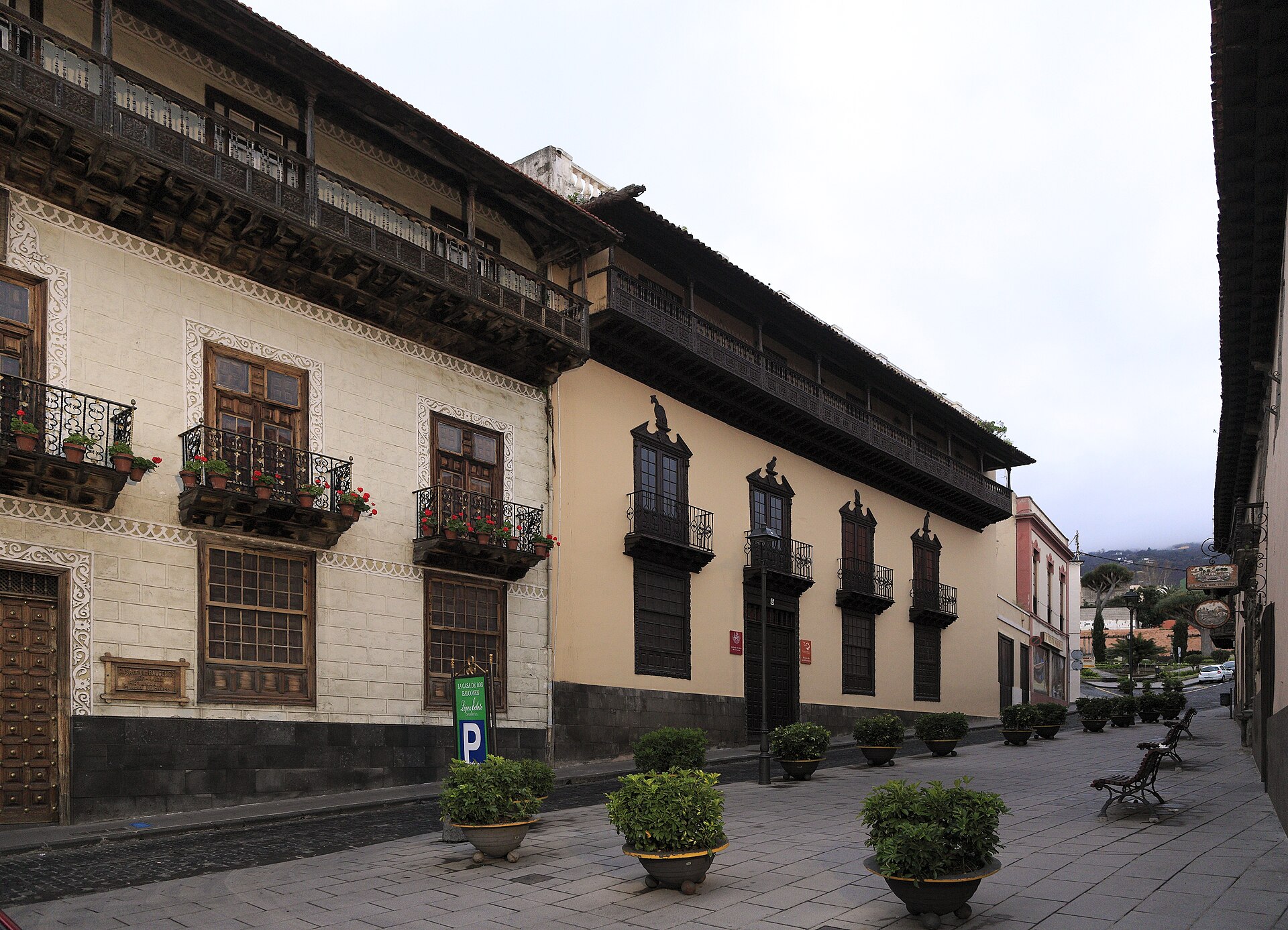
La Orotava moves to its own rhythm. Wander its historic streets, admire the wooden balconies and stone facades, then step into the museum. Some beauty is meant to be temporary. The carpets of sand and flowers teach impermanence—a single day can leave a lasting impression. That’s what makes this place special: it doesn’t just show you art; it shows you how to appreciate what doesn’t last.