The Calvet Museum in Avignon is one of those rare places where history doesn’t just sit behind glass—it lingers in the air, woven into the very fabric of the building. Housed in an 18th-century mansion, the museum itself is a work of art, with its high ceilings, intricate moldings, and grand fireplaces that hint at the wealth of its former owners. The soft Provençal light filters through tall windows, casting a warm glow over the rooms, as if inviting visitors to step into a quieter, more contemplative version of the city outside.
The museum’s origins trace back to Esprit Calvet, a physician and avid collector who, in the early 19th century, bequeathed his personal trove of antiquities, medieval manuscripts, and paintings to the city. What began as a private passion gradually expanded into a public institution, enriched over time by donations and acquisitions. Today, the collection spans centuries, offering a glimpse into the artistic and cultural evolution of Provence. Among the highlights are works by local painters from the 18th and 19th centuries, their canvases capturing the region’s landscapes and people with a quiet intimacy that feels distinctly Provençal.
The archaeological section is particularly compelling, filled with artifacts unearthed along the Rhône River. Here, fragments of ancient life—Greek vases, Roman coins, tools, and jewelry—paint a vivid picture of the people who once inhabited these lands. Some of the most striking pieces are the funerary steles and architectural remnants, silent witnesses to Avignon’s long history as a crossroads of trade and culture. These objects don’t just document the past; they make it tangible, bridging the gap between then and now.
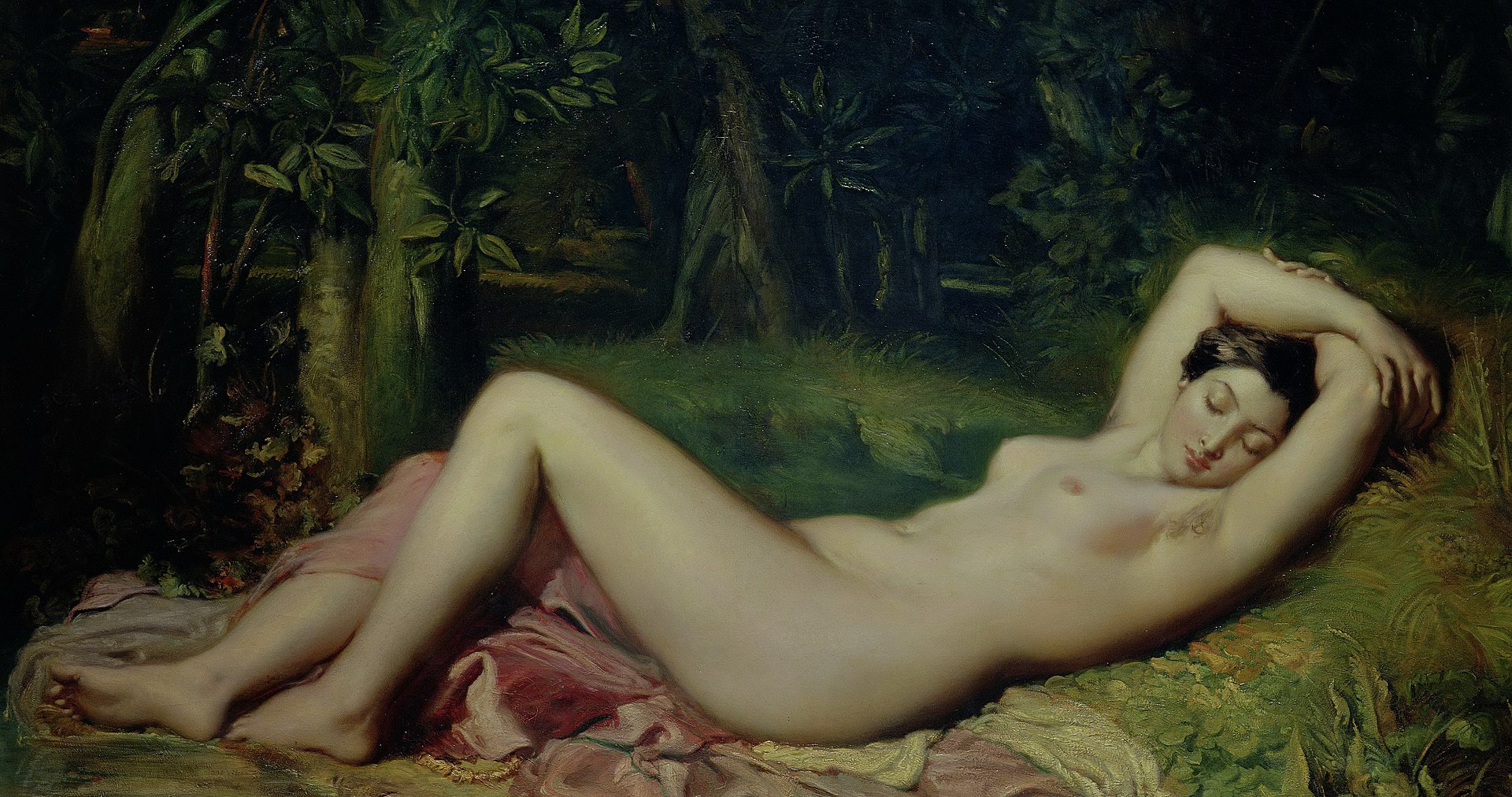
The museum’s painting collection is a testament to Provence’s enduring allure. The works range from serene landscapes of lavender fields and olive groves to portraits of locals in traditional dress, each brushstroke reflecting the region’s unique light. The Provençal Impressionists, in particular, stand out for their ability to capture the soft yet vibrant hues of the southern sun—colors that feel almost alive. Even lesser-known artists here have a way of making the familiar feel fresh, their perspectives offering a counterpoint to the more famous names of French art history.
Beyond paintings and antiquities, the museum’s decorative arts section offers a glimpse into the daily lives of Avignon’s past residents. Furniture, porcelain, textiles, and jewelry from different eras fill the rooms, each piece telling a story of craftsmanship and taste. The carved wardrobes, painted plates, and delicate lacework aren’t just relics; they’re fragments of a world where beauty was woven into everyday existence. The contrast between the restrained elegance of the 18th century and the more accessible styles of the 19th century is subtle but telling, reflecting broader shifts in society.
What makes the Calvet Museum special is its sense of continuity. Unlike larger institutions that can feel overwhelming, this is a place where the past doesn’t feel distant. Temporary exhibitions—sometimes featuring contemporary artists, sometimes showcasing traveling collections from other museums—keep the space dynamic, ensuring that it never feels like a static archive. The museum’s ability to balance history with modernity makes it a living part of Avignon’s cultural landscape.
A visit here is as much about atmosphere as it is about the exhibits. The quiet courtyards, with their trickling fountains and rustling plane trees, offer a moment of respite from the bustle of the city. It’s easy to imagine the mansion’s former inhabitants moving through these same spaces, their lives unfolding against the backdrop of Avignon’s rich history. The museum doesn’t just preserve that history; it invites visitors to experience it in a way that feels personal and unhurried.
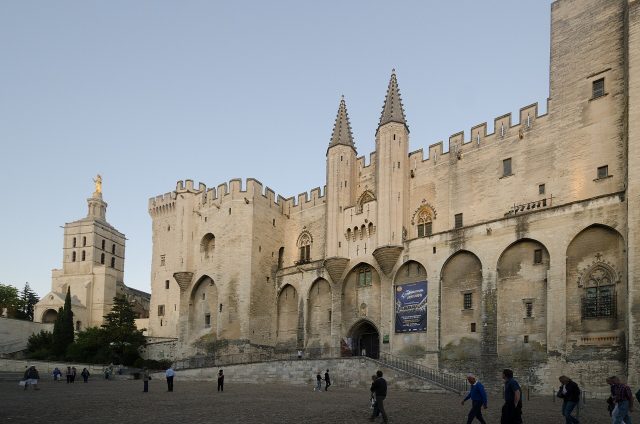
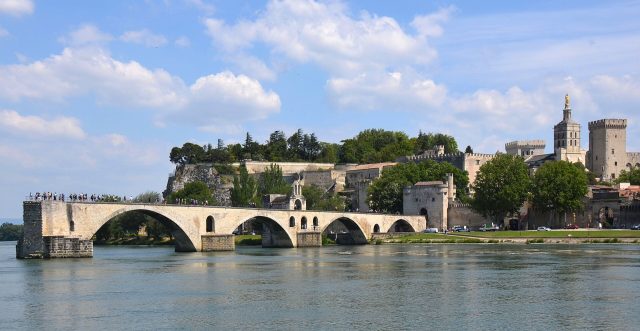
For those who know Avignon primarily as the city of the Palais des Papes and medieval ramparts, the Calvet Museum offers a different perspective. It’s a place where art isn’t just something to admire from a distance but a thread connecting past and present. There are no crowds here, no rush to see everything at once—just the quiet pleasure of discovery. In a region often defined by its landscapes and wines, the museum reminds visitors that Provence’s true richness lies in its cultural heritage, shaped by generations of artists, collectors, and dreamers.