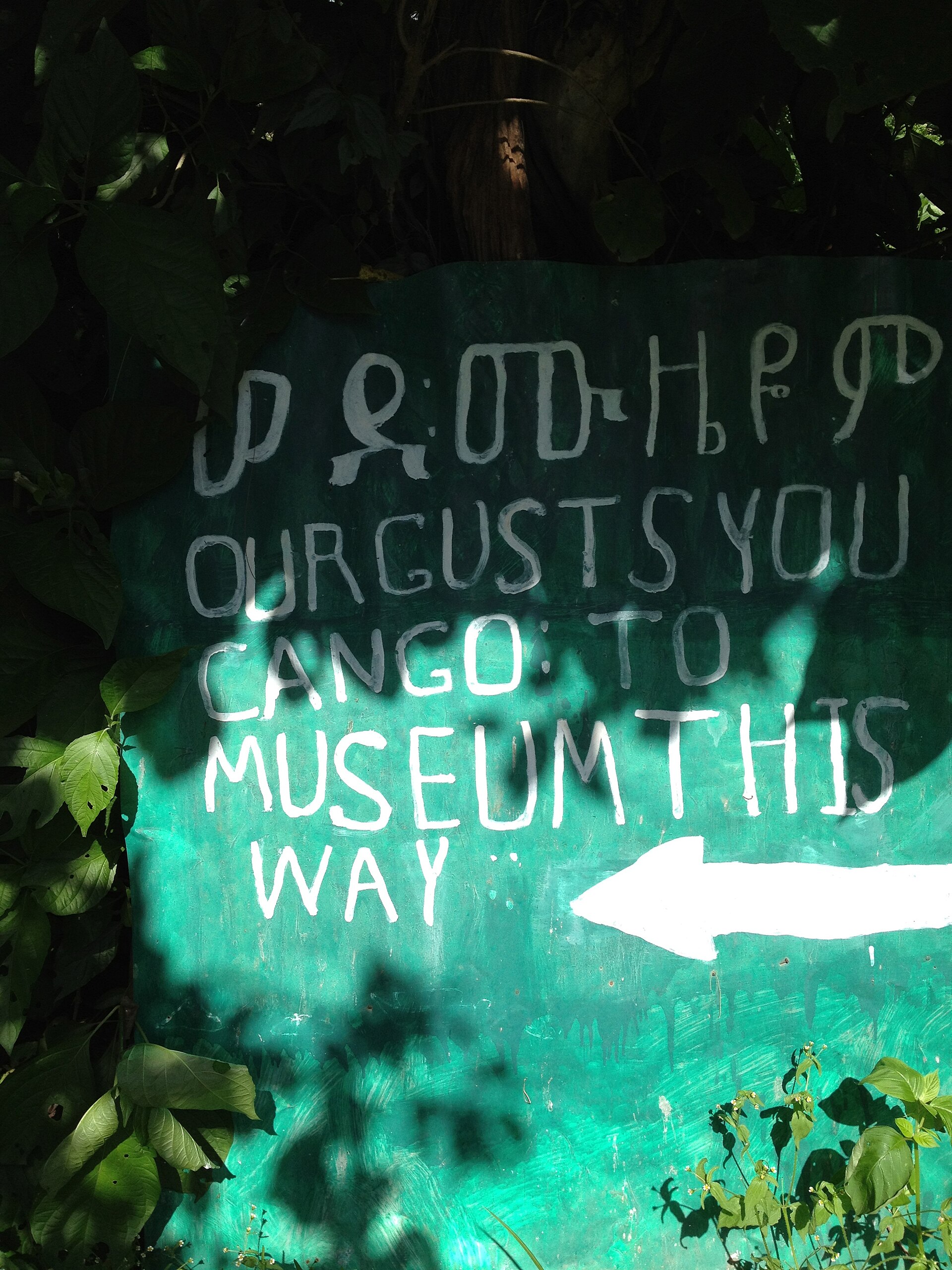
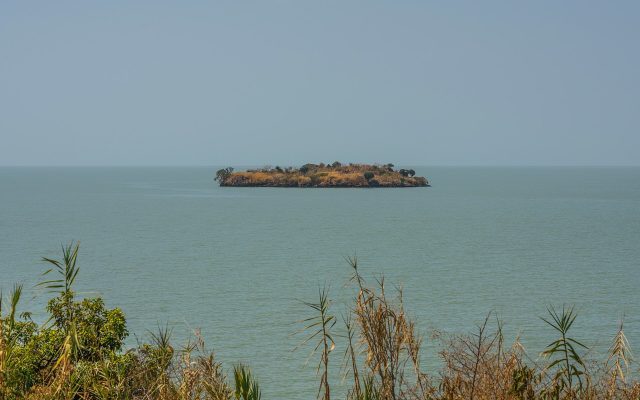
Bahir Dar sits on the southern shore of Lake Tana, Ethiopia’s largest lake and the source of the Blue Nile. The city feels unhurried, with wide streets lined by flame trees and the occasional donkey cart moving between low-slung buildings. It’s a place where the rhythm of life still follows the cycles of the lake—fishermen setting out at dawn, women washing clothes on the rocky shore, and the distant hum of papyrus boats gliding toward the monasteries on the lake’s islands. Amid this quiet backdrop, the Bahir Dar Museum offers a small but thoughtful window into the region’s past, a place where history isn’t just preserved but quietly observed.
The museum itself is modest, housed in a single-story building near the center of town. Its collection is eclectic, gathered over decades from the surrounding area, and though it may not rival the grand museums of Addis Ababa, it has a charm of its own. The exhibits are arranged without fanfare, as if the artifacts were simply waiting for someone to notice them. There are ancient manuscripts written in Ge’ez, their pages brittle with age, and intricately woven baskets that speak to the craftsmanship of local artisans. Pottery fragments, some dating back centuries, hint at the daily lives of people who once lived along the lake’s shores, while tools and weapons suggest the region’s long and sometimes turbulent history.
One of the most striking displays is a collection of religious artifacts from the monasteries of Lake Tana. These islands, scattered across the lake like emerald jewels, have been centers of Ethiopian Orthodox Christianity for centuries. The museum holds a few of their treasures—crosses, icons, and illuminated manuscripts—though many of the most precious items remain in the monasteries themselves, guarded by monks who have tended them for generations. The pieces on display here are a reminder of the deep spiritual connection between the lake and its people, a bond that has shaped the region’s identity for over a thousand years.
The museum also touches on the natural history of Lake Tana, which is as much a part of its story as the human one. The lake is home to a unique ecosystem, including species of fish found nowhere else in the world. Exhibits explain how the lake’s waters have sustained communities for millennia, providing food, transportation, and a sense of place. There are displays on the traditional papyrus boats, known as tankwas, which have been used for centuries to navigate the lake’s shallow waters. These boats, made from bundles of papyrus reeds lashed together, are a testament to the ingenuity of the people who have lived here, adapting to the environment with simple but effective solutions.
Beyond the artifacts, the museum offers a glimpse into the broader history of the region. Bahir Dar has long been a crossroads, a place where trade routes from the highlands met the waters of the lake. The exhibits include items from the time of the Ethiopian Empire, when the city was a strategic outpost, as well as relics from the Italian occupation in the 1930s. There’s a sense of continuity here, a feeling that the past isn’t just something to be studied but something that still lingers in the present. The museum doesn’t try to tell a grand narrative; instead, it presents fragments, leaving visitors to piece together the story for themselves.
What makes the Bahir Dar Museum worth visiting isn’t the size of its collection or the fame of its artifacts, but the way it reflects the spirit of the place. It’s a museum that feels lived-in, as if the objects on display are still part of the community’s memory. The staff, often locals with a deep knowledge of the region, are happy to share stories or point out details that might otherwise go unnoticed. There’s no pressure to rush, no crowds jostling for a better view. Instead, there’s time to linger over a particular exhibit, to imagine the hands that once held a centuries-old cross or the voices that once sang from the pages of a faded manuscript.
For those who take the time to explore, the museum offers more than just a history lesson. It’s a quiet invitation to see Bahir Dar not just as a stop on a travel itinerary, but as a place with its own rhythm and soul. The lake is always present here, its waters shaping the land and the lives of those who call it home. The museum, in its understated way, captures that essence—less a monument to the past than a conversation with it. And in a city where the present moves at the pace of the lake’s gentle waves, that conversation feels just right.