Karakorum sits quietly on the steppes of central Mongolia, a place where the wind carries whispers of empires long faded. It was once the heart of the Mongol world, the capital of an empire that stretched from the Pacific to the Mediterranean. Today, little remains of that grandeur except for the stories etched into the land itself. Among them stands Erdene Zuu, the oldest surviving Buddhist monastery in Mongolia, a place where history and faith intertwine in the vast, open silence.
The monastery was founded in 1586 by Abtai Sain Khan, a ruler of the Northern Yuan Dynasty, on the ruins of the ancient city of Karakorum. The choice of location was no accident. Here, where the Orkhon River cuts through the steppe, the land had already witnessed centuries of power and decline. The great khans of the Mongol Empire had once gathered their armies and plotted their conquests in this very spot. By building Erdene Zuu, Abtai Sain Khan was not just erecting a religious site but reclaiming a legacy, weaving Buddhism into the fabric of Mongolia’s past.
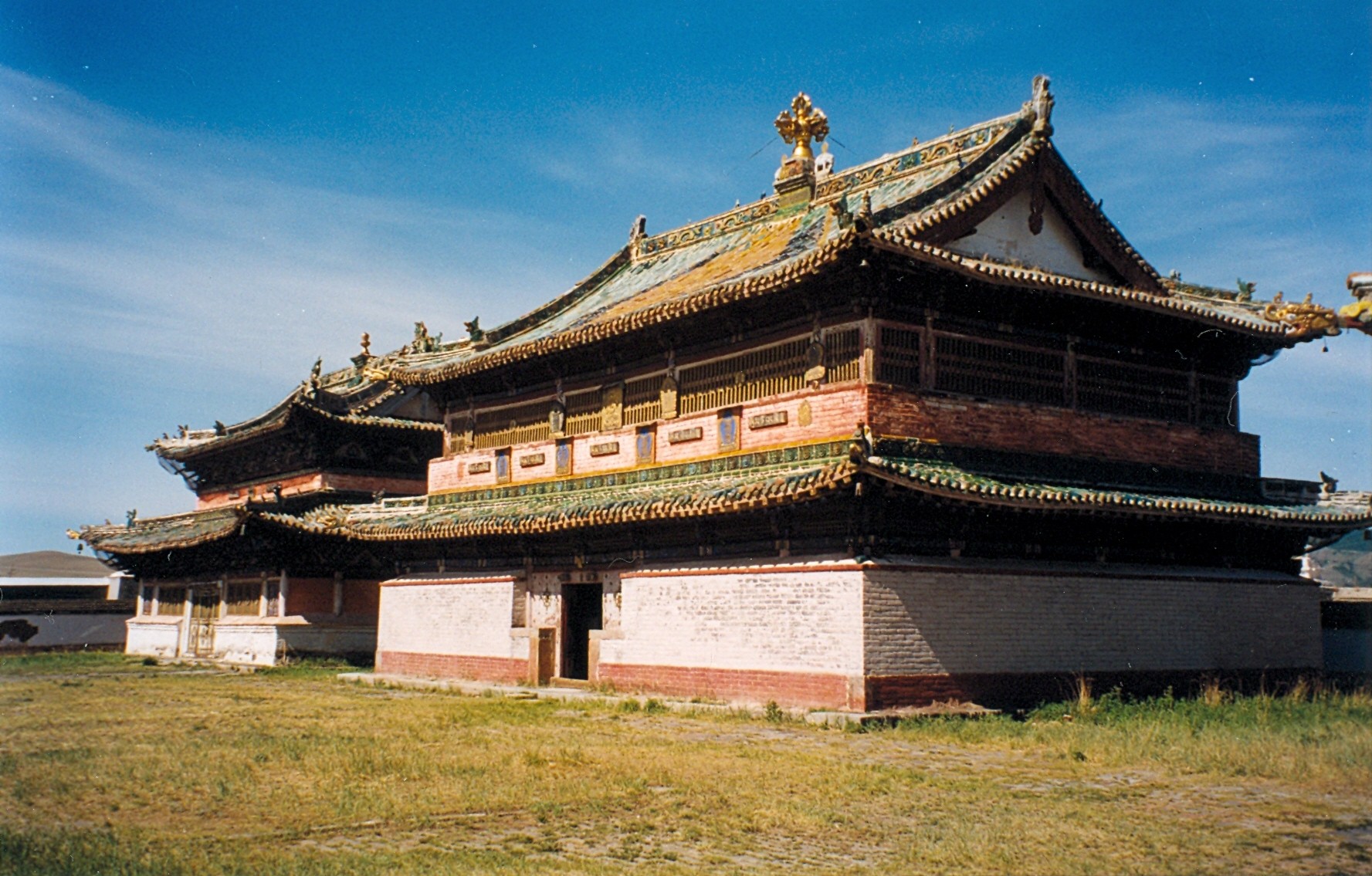
The walls of Erdene Zuu are made of stone and earth, their pale surfaces weathered by time and the harsh Mongolian climate. They stretch in a perfect square, enclosing a space that feels both vast and intimate. Inside, the monastery complex is a collection of temples, stupas, and prayer halls, each with its own character. The oldest structures date back to the 16th and 17th centuries, their wooden beams and painted murals bearing the marks of generations of monks who lived, prayed, and studied within these walls. The architecture blends Tibetan and Chinese influences, a reflection of the cultural exchanges that shaped Mongolia’s spiritual landscape.
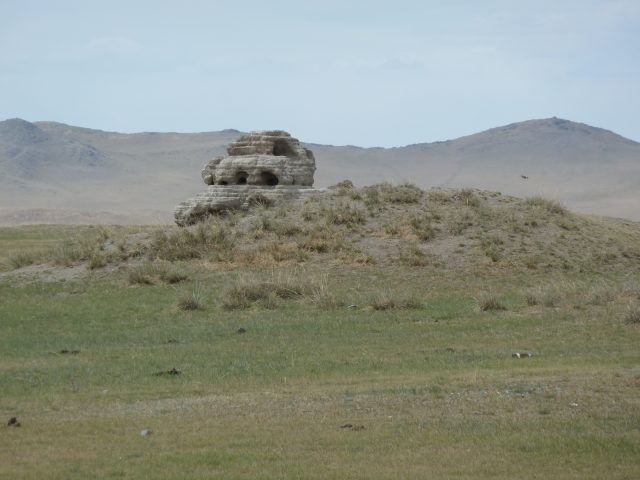
One of the most striking features of Erdene Zuu is its stupas, or *suburgan*, which line the outer walls. There are 108 of them, a number sacred in Buddhism, symbolizing the 108 volumes of the Kangyur, the Tibetan Buddhist canon. The stupas vary in size and design, some simple and unadorned, others intricately decorated with carvings and bright colors. They stand like silent sentinels, their presence a reminder of the monastery’s role as a center of learning and devotion. Over the centuries, Erdene Zuu grew into one of the most important religious sites in Mongolia, attracting scholars, pilgrims, and travelers from across the region.
The monastery’s history has not been an easy one. Like much of Mongolia, it has endured periods of destruction and revival. In the 17th century, it was sacked by the Dzungar Mongols, and later, during the communist purges of the 20th century, many of its temples were demolished or repurposed. Monks were persecuted, and the monastery fell into disrepair. It was only in the 1990s, after Mongolia embraced democracy and religious freedom, that Erdene Zuu began to be restored. Today, it is both a functioning monastery and a museum, a place where the past is preserved and the present is lived.
Walking through Erdene Zuu, you can still feel the weight of its history. The main temple, the *Zuu of Buddha*, houses a collection of statues and thangkas, their colors faded but their significance undiminished. The air inside is thick with the scent of incense and the murmur of prayers. Outside, the steppe stretches endlessly, its vastness a contrast to the quiet intensity of the monastery. The wind rustles through the prayer flags, carrying the sound of monks chanting or the occasional clatter of a horse’s hooves in the distance.
For many Mongolians, Erdene Zuu is more than just a historical site. It is a symbol of resilience, a testament to the enduring power of faith in a land that has seen so much change. The monastery has witnessed the rise and fall of empires, the shifting tides of religion and politics, and the unyielding spirit of the people who call this place home. Even today, pilgrims come from far and wide to walk its paths, spin its prayer wheels, and leave offerings at its altars. Their presence is a reminder that Erdene Zuu is not just a relic of the past but a living, breathing part of Mongolia’s cultural and spiritual identity.
Visiting Erdene Zuu is not like stepping into a grand cathedral or a meticulously preserved ruin. It is more like entering a space where time moves differently. The monastery exists in a kind of limbo, suspended between the grandeur of its origins and the quiet humility of its current state. The buildings are not pristine, the paint is chipped, and the wood is worn, but that only adds to the sense of authenticity. This is a place that has been lived in, loved, and fought for. It is not a museum piece but a home for those who still tend to its halls and keep its traditions alive.
The surrounding landscape plays its own role in the monastery’s story. The Orkhon Valley, where Karakorum lies, is a UNESCO World Heritage site, recognized for its historical and cultural significance. The steppe here is dotted with ancient burial mounds, petroglyphs, and the remnants of long-forgotten settlements. It is a land that has been shaped by nomads, warriors, and monks, each leaving their mark in ways both subtle and profound. Erdene Zuu is just one thread in this rich tapestry, but it is a thread that connects the past to the present in a way few other places can.
If you come to Erdene Zuu, it is worth taking the time to sit quietly in one of its courtyards or walk along the outer walls. Listen to the wind, watch the light play across the stupas, and let the silence settle around you. This is a place where the vastness of the steppe meets the intimacy of faith, where history is not just remembered but felt. It is not a destination for those seeking spectacle or luxury, but for those who want to understand something deeper about Mongolia—its people, its past, and the quiet strength that has carried it through the centuries.