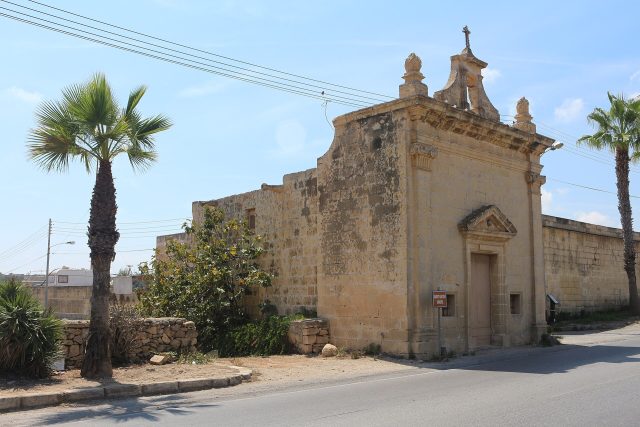
The Great Siege of Malta Memorial in Fgura is one of those rare places where history feels tangible, not just recorded in books but etched into the very air. It commemorates the 1565 siege, a defining moment when the Knights Hospitaller and the people of Malta stood against the Ottoman Empire in a battle that would shape the island’s identity. The siege was more than a military confrontation—it was a test of endurance, a clash of civilizations, and a story of survival against overwhelming odds. The memorial doesn’t just mark an event; it invites visitors to step into the past, to imagine the weight of those four months when the fate of Malta hung in the balance.
The design of the memorial is understated but powerful. At its heart stands a bronze sculpture, a group of figures—knights in armor, ordinary villagers, men and women united in defense. The details are striking: the way a knight’s gauntlet grips a sword, the tension in a peasant’s stance, the weariness in their faces. There’s no grandiosity here, no exaggerated heroism, just the quiet strength of people who refused to surrender. The sculpture is set within a small park, its paths winding around the figures so you can view them from every angle. The simplicity of the space works in its favor—no distractions, no unnecessary flourishes, just the memorial and the stories it carries.
The siege itself began in May 1565, when Suleiman the Magnificent’s vast Ottoman fleet arrived off Malta’s shores. The Ottomans expected a swift victory. Their forces outnumbered the defenders, and their commanders were seasoned veterans of countless campaigns. But the Knights Hospitaller, led by Grand Master Jean Parisot de Valette, and the Maltese people—many of them untrained militiamen—held their ground. For four brutal months, they fought from the fortified cities of Birgu and Senglea and the battered walls of Fort St. Elmo. The Ottomans threw everything they had at them, yet the defenders never broke. By September, the invaders were forced to retreat, leaving behind a landscape of ruin and a legend of resilience.
The memorial in Fgura serves as a reminder of what that victory cost. After the siege, Malta was devastated—its fields burned, its cities in ruins, its people exhausted. Yet from that destruction rose Valletta, the new capital built in honor of de Valette and named after him. Today, Valletta is filled with echoes of the siege, from the fortifications that still stand to the streets named after the knights who defended them. But the memorial in Fgura offers something different: a place to reflect without the crowds, where the past feels closer than it does in the tourist-heavy heart of the capital.
Fgura itself is a quiet town in central Malta, far from the bustle of the island’s more famous destinations. The memorial wasn’t placed here by accident. It sits on a gentle rise, away from the noise, where the only sounds are the wind and the occasional passing car. The surrounding streets are lined with modest houses, their facades little changed over the decades. There are no souvenir shops or guided tour groups here, just the memorial and the space to think. In the evening, when the streetlights cast long shadows over the bronze figures, the scene takes on a different quality, as if the past and present briefly overlap.
For Maltese people, the Great Siege is more than history—it’s a cornerstone of national identity. It’s the moment when Malta became more than just an island; it became a symbol of defiance, a place that refused to fall. The memorial is a gathering spot for commemorations, especially in September, when the anniversary of the siege’s end is marked. Schoolchildren visit on field trips, learning the stories of the knights and the farmers who fought beside them. Locals come to pay their respects, to remember the ancestors who endured those months of hunger and fear. The memorial isn’t just a monument; it’s a living connection to the past.
Visiting the memorial doesn’t require any special knowledge or preparation. There are no exhibits to read, no audio guides to follow. You don’t need to be a history buff to feel its pull. All it asks is that you stand for a moment beside those bronze figures—knights in their heavy armor, villagers with their makeshift weapons—and try to imagine what it must have been like. The heat of the Maltese sun, the dust of the battlefield, the exhaustion of sleepless nights. Over time, the bronze has been touched by countless hands, some leaving faint marks where fingers brushed against the metal. These small signs of wear make the memorial feel alive, as if the past isn’t just remembered but still present.
This isn’t a place for grand gestures or Instagram-worthy photos. There’s no spectacle here, no dramatic lighting or staged reenactments. The power of the memorial lies in its quietness, in the way it lets history speak for itself. It doesn’t tell you what to think or how to feel. Instead, it offers a space to reflect, to consider the cost of survival and the weight of memory. For those who seek it out, the memorial is a necessary stop, a chance to understand Malta beyond its beaches and festivals. But even for those who stumble upon it by accident, it leaves an impression—one that lingers long after they’ve walked away. In the end, that might be its greatest strength: it doesn’t demand attention, but it rewards those who give it.