Lielupe is one of those places where the sea and the rhythm of city life blend almost effortlessly. Unlike the busier parts of Jūrmala, it moves at its own pace—quieter, slower, with the scent of saltwater and pine needles lingering in the air. The district stretches along the left bank of the Lielupe River, which gave it its name and once served as a vital trade route connecting Riga to the coast. Today, the river flows calmly, its shores lined with houses that carry the spirit of the early 20th century, when Jūrmala was just beginning to take shape as a resort town.
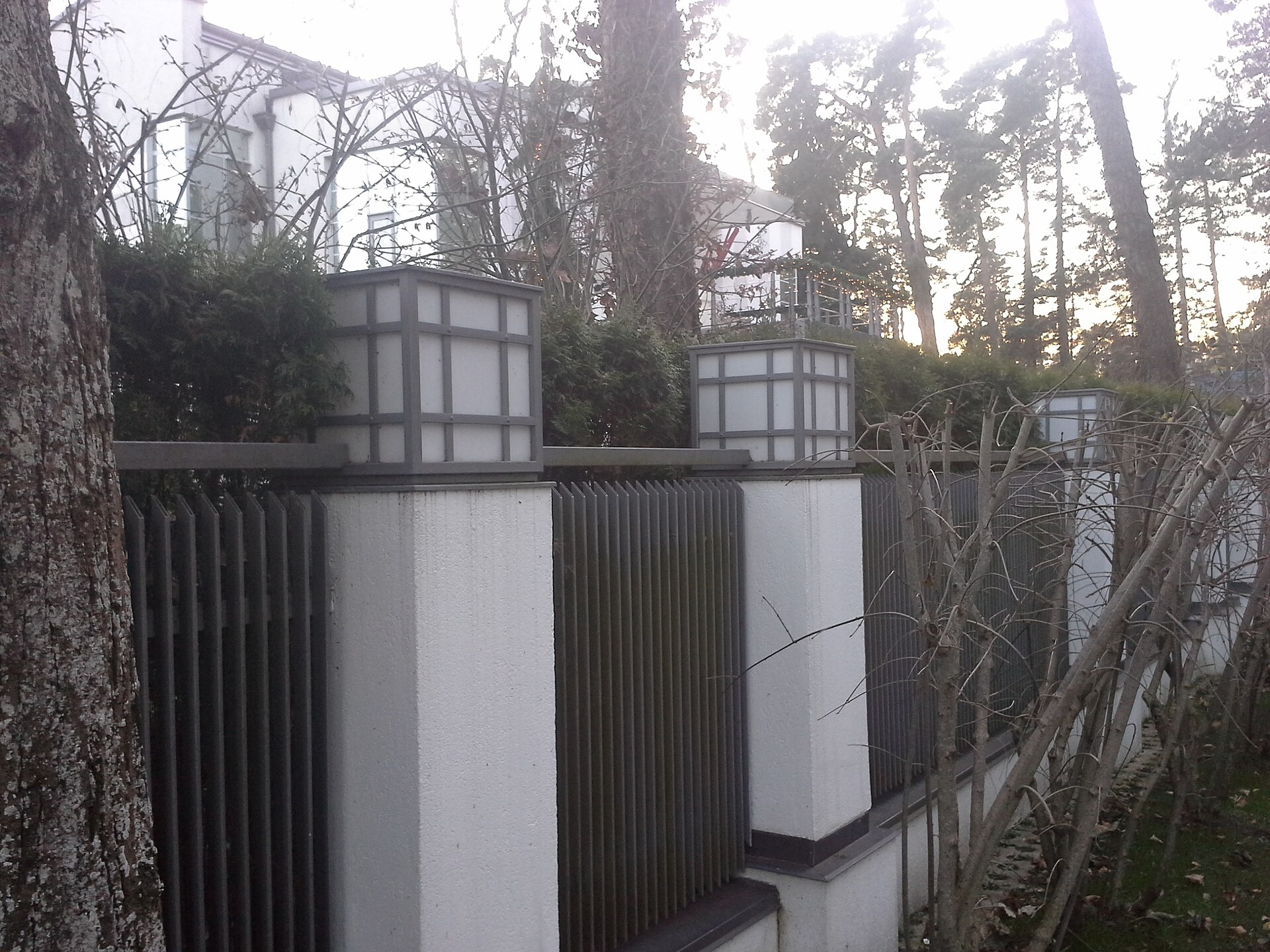
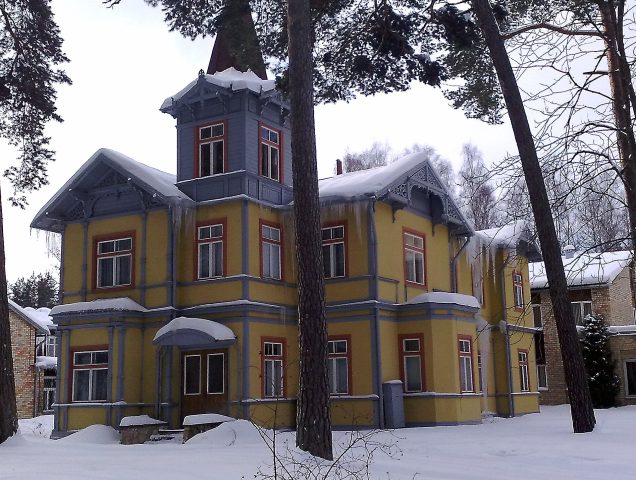
The architecture here tells a story without words. You’ll find wooden villas with intricate balconies, Art Nouveau buildings from a later era, and even Soviet-era guesthouses that once welcomed visitors from across the country. The most interesting stretch is along Jūras Street, where houses stand almost at the water’s edge, their facades seeming to converse with the sea. Many of these buildings are protected landmarks, though not the kind that demand attention. Their charm lies in their quiet presence, unassuming yet enduring, much like the sound of waves against the shore.
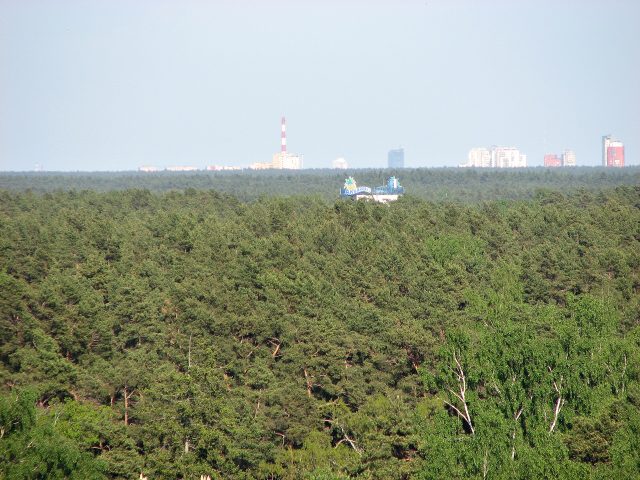
The beach in Lielupe is wide and sandy, with a gentle slope into the water, making it ideal for families. It’s less crowded than the beaches in Majori or Dzintari, so finding a quiet spot is usually just a matter of walking a little farther from the central area. A pine forest runs along the shore, offering shade on hot days and filling the air with the scent of resin. In summer, the beach feels like its own world—endless stretches of sand, the cries of gulls overhead, the steady rhythm of the waves. When you’ve had enough of the sun, small cafés nearby serve fresh fish and cold beer, simple pleasures that taste even better by the sea.
Lielupe wasn’t always a resort destination. In the 19th century, it was a humble fishing village where life revolved around the sea. Locals built boats, cast their nets, and relied on the Lielupe River for both transport and sustenance. Everything changed with the arrival of the railway in the late 1800s. Jūrmala began to attract wealthy visitors from Riga, and Lielupe followed suit. Summer homes for the elite sprang up, followed by sanatoriums and guesthouses in the Soviet era. Today, the district retains that dual character—part quiet retreat, part place accustomed to visitors, always with one foot in the past and one in the present.
One of Lielupe’s landmarks is the small lighthouse near where the river meets the sea. Built in the 1950s, it’s not particularly tall, but it stands out against the landscape, serving as a guide for both ships and strollers along the promenade. Fishermen often gather nearby, casting their lines in hopes of catching flounder or Baltic herring. In the evenings, the lighthouse becomes part of a different scene—the sky turns shades of pink and orange as the sun sets, and the river mirrors the colors like glass.
Life in Lielupe moves at an unhurried pace. There are no large shopping malls or noisy nightclubs, just small grocery stores, cafés, and the occasional pharmacy. In summer, the streets come alive with cyclists, families, and tourists escaping the city for a few days. Winter, though quieter, has its own beauty—frost-covered pines, stormy seas, and an empty promenade perfect for long walks and quiet reflection.
While Lielupe is part of Jūrmala, it has managed to keep its own identity. There are fewer hotels and restaurants here than in the more tourist-heavy areas, but that’s part of the appeal. This is a place where you can experience the real Jūrmala—not the polished, postcard version, but the one that exists beyond the guidebooks. It’s the kind of district where history isn’t just preserved in museums but woven into the streets, the houses, even the way the light falls on the water.
If you stay in Lielupe, don’t expect a packed itinerary or round-the-clock entertainment. What you’ll find instead is the chance to simply be—to wake up to the sound of waves, walk along an empty beach at dawn, or watch the sunset from the riverbank. It’s a place for those who seek quiet over excitement, who want to feel the pulse of coastal life without the distractions of a busy resort. And for those who appreciate history, every corner of Lielupe holds echoes of the past, subtle but unmistakable, like the tide pulling at the shore.