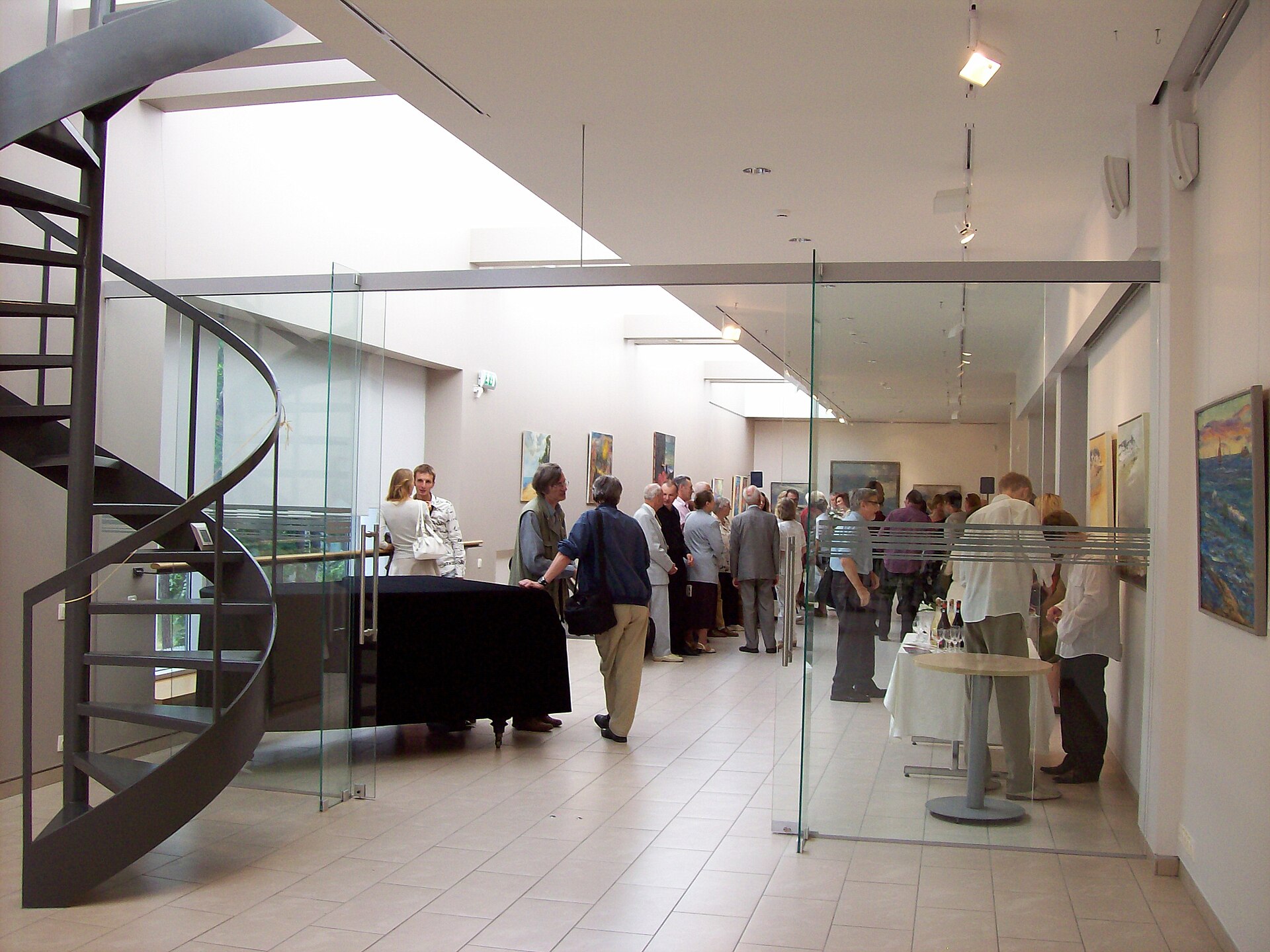
The Jūrmala City Museum tells the story of this seaside town through the people who lived here, visited its beaches, and shaped its culture. The museum occupies a historic wooden building and follows Jūrmala’s growth from a 19th-century retreat into a destination that attracted artists, musicians, and writers from across Europe. Exhibits show how summer cottages gave way to Art Nouveau villas built for St. Petersburg’s elite and how these changes affected daily life.
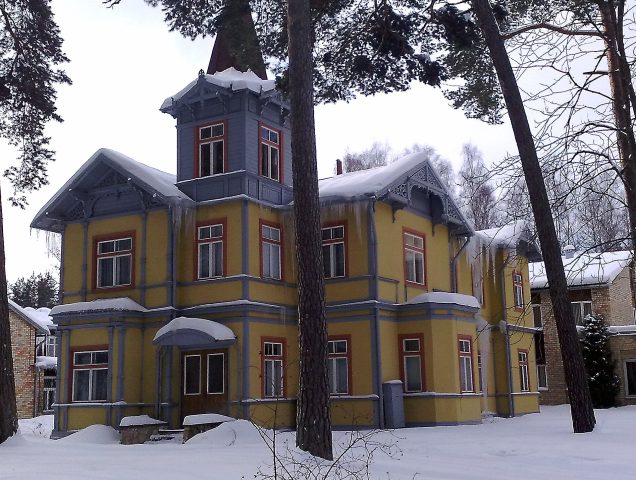
The building itself matters. It’s an early 20th-century wooden house with carved details, high ceilings, and verandas where evening gatherings once took place. Inside, the past is visible in antique furniture, old photographs, and personal items left by locals and famous guests. The images from the early 1900s stand out: bathers in long swimsuits, women in wide-brimmed hats on the promenade, children playing under nannies’ watch. These scenes show Jūrmala as a place where seaside simplicity met high-society elegance.
The museum also covers Jūrmala’s Soviet years, when it became one of the USSR’s most popular vacation spots. Exhibits trace changing tastes—from 1960s swimwear to 1980s beachwear, from basic tents to guesthouses. A section highlights famous visitors: cosmonauts, pop stars, and performers who drew crowds. These stories reveal a town where different eras and lives intersected.
A room is devoted to local crafts. You’ll see woven willow baskets, clay pottery, and amber jewelry made by Jūrmala’s residents. Woodwork is especially detailed: carved boxes, picture frames, and furniture. These objects show the work behind the resort’s glamour. Some traditions continue, and the museum directs visitors to workshops where these crafts are still practiced.
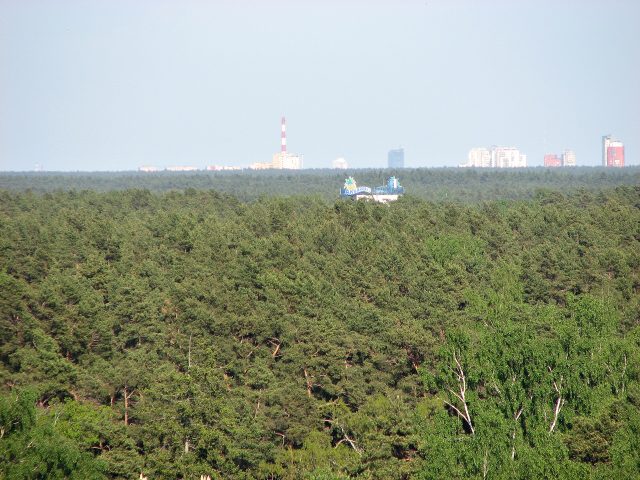
The museum explains Jūrmala’s pine forests and their healing reputation. Displays include herbariums, old medical tools, and photos of early sanatoriums. They show why people came here not just for the beach but for rest and recovery.
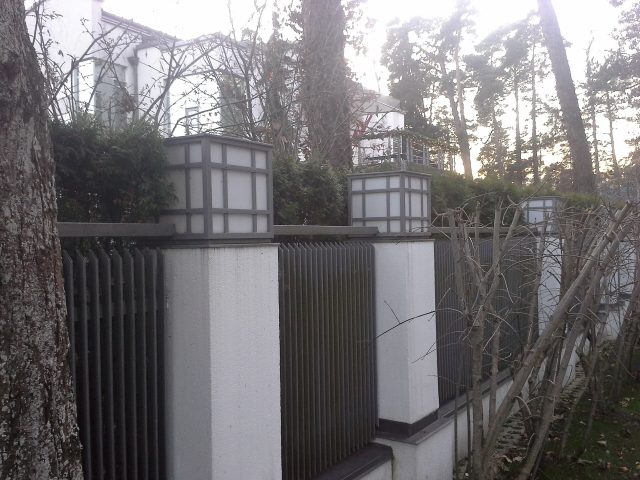
Architecture gets attention too. Jūrmala’s wooden houses are cultural landmarks. The museum has models of notable buildings, photos of their interiors, and stories of their construction. You’ll learn why Art Nouveau flourished here, who designed the houses, and how the town’s look changed over time. Many of these buildings still stand, and the museum suggests seeing them as more than just pretty structures.
The area around the museum is worth exploring. Quiet streets are lined with wooden houses. Small cafés serve Latvian food. Benches under pines let you sit and hear the sea. The museum is a starting point for discovering Jūrmala’s past and atmosphere.
History feels close here. You can glance at photographs or spend time reading letters and diaries left by past guests. These personal stories make the past feel present. For anyone who wants to understand Jūrmala, the museum offers a way in.