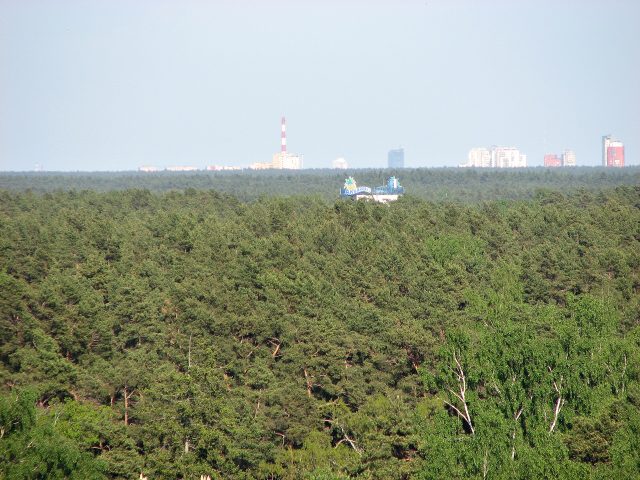
Dzintari isn’t just a concert hall—it’s a place where music and nature exist in perfect harmony. Tucked away in Jūrmala’s pine forests, it feels less like a man-made structure and more like a natural extension of the landscape. In summer, the air carries the scent of resin and salt from the nearby sea, while the notes of an orchestra or a jazz improvisation drift through the trees, blending seamlessly with the rustling leaves. The hall opened in the mid-20th century, when Jūrmala was just beginning to establish itself as Latvia’s premier seaside resort. Since then, it has become a cornerstone of the country’s cultural life, not just for the city but for the entire nation.
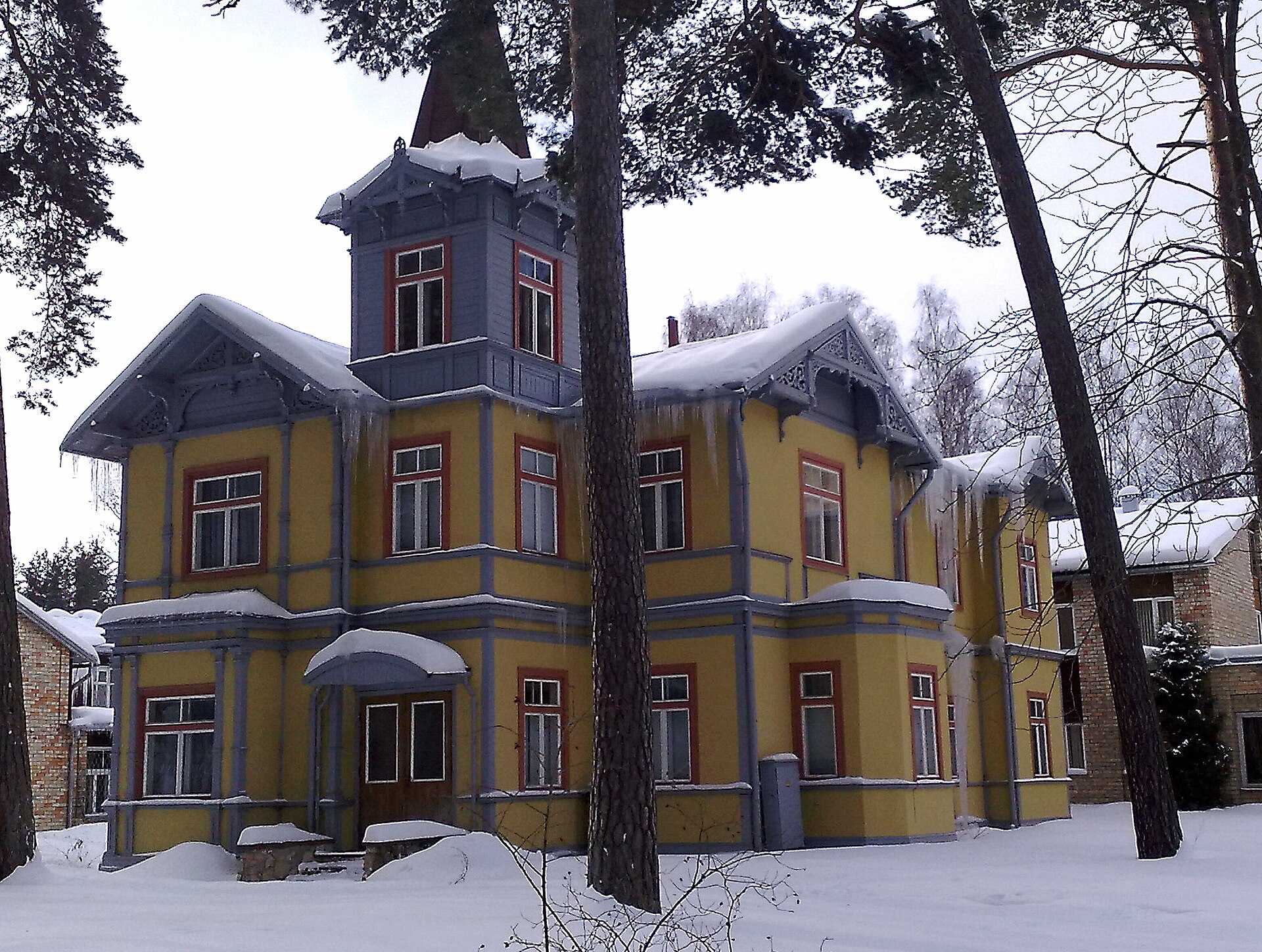
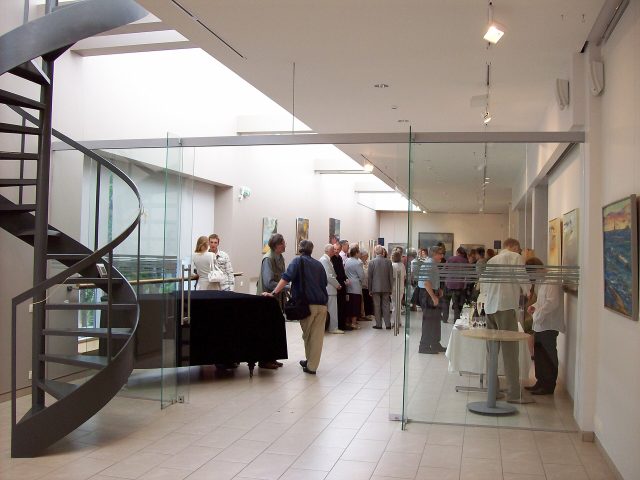
The architecture of Dzintari is simple and unassuming, yet there’s a quiet elegance to it. Built with wooden beams and large windows that frame the surrounding forest, the hall avoids unnecessary ornamentation, creating a sense of lightness and openness. It doesn’t compete with nature—it complements it. Inside, the space feels airy without being cold, and the acoustics are often praised as some of the best in the Baltics. Music here sounds as it was meant to be heard: pure, unfiltered, and intimate, as if performed just for you.
Over the decades, Dzintari has hosted an incredible variety of performances. Symphonic orchestras and jazz ensembles have shared the stage with classical music festivals and experimental projects. During the Soviet era, it was one of the republic’s most important cultural venues, attracting artists from across the union. Today, it continues to welcome international stars while also serving as a platform for local musicians, from emerging talents to seasoned masters. In the summer, the hall is alive nearly every day, with a program that ranges from intimate chamber recitals to grand opera productions.
But Dzintari is more than just a concert venue. It’s a place where you can easily spend an entire day, even if the performance hasn’t started yet. The pine forest surrounding the hall is perfect for leisurely walks or a picnic under the trees. In the warmer months, the area comes alive with open-air film screenings, workshops, and small markets selling local delicacies. When winter arrives and the hall closes, the forest doesn’t lose its charm—the snow-covered paths and crisp silence make it a peaceful retreat, far removed from the hustle of everyday life.
For many, Dzintari represents something deeper than a performance space. It’s a symbol of how culture can integrate into daily life without losing its essence. There’s no pretension here, no grandiosity of major philharmonics or opera houses. Instead, there’s authenticity—in the music, the architecture, and the way visitors are welcomed. When people come here, they don’t just attend a concert; they become part of an atmosphere where time slows down and memories linger.
The season at Dzintari typically runs from May to September, when the weather is still mild enough for outdoor events. Tickets for performances can be bought in advance, but even if you arrive without one, there’s a good chance you’ll find something worth staying for. The key is to take your time—arrive early, stroll through the park, listen to the musicians tuning their instruments, and then settle into your seat, whether inside the hall or on the open terrace.
What makes Dzintari special is its understated nature. It doesn’t try to impress with opulence or scale, and that’s precisely its strength. Everything here serves a purpose—music and nature take center stage, creating an atmosphere that’s hard to replicate. For some, it’s just a concert hall in the woods. For others, it’s a place where small miracles happen: discovering a new artist, reuniting with an old friend as a familiar melody plays, or simply experiencing an evening where music and nature feel like one.