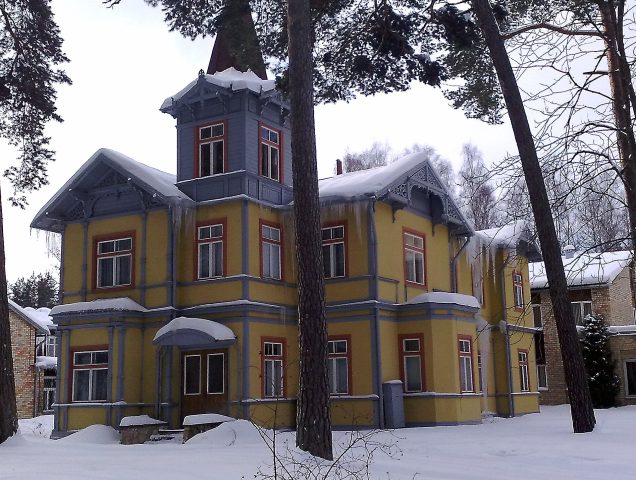
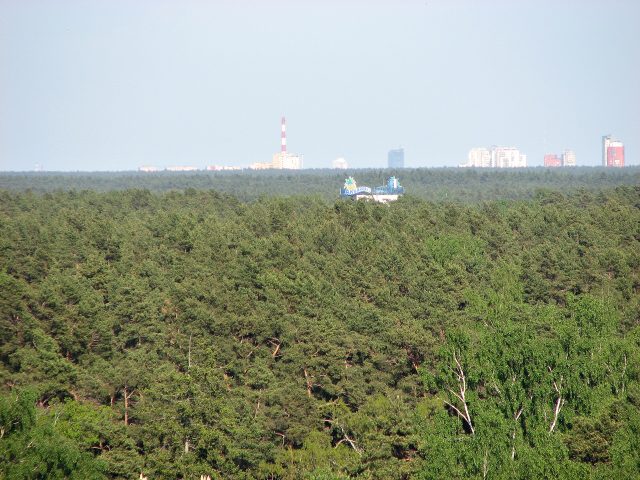
Kemeri is one of those places where time seems to move differently. Tucked away in the pine forests just twenty kilometers from the heart of Jūrmala, it feels like a world apart from the usual seaside resorts. There are no crowded promenades or tourist traps here—just quiet streets lined with old wooden houses, the scent of saltwater in the air, and the distant murmur of the Baltic Sea. The pace is slower, the atmosphere gentler, and that’s precisely what makes Kemeri special. It’s not a place for those seeking constant entertainment, but for those who want to step back, breathe deeply, and let the natural rhythm of the landscape set the tone for their stay.
The story of Kemeri as a resort began in the 18th century, when locals first noticed the healing properties of its mineral-rich springs and peat bogs. The water here is heavy with sulfur and other minerals, and the therapeutic mud has long been used to treat joint pain and skin conditions. By the late 1700s, word of its benefits had spread, and by the 19th century, Kemeri had transformed into a proper spa destination. Wealthy visitors from St. Petersburg, just a short journey away, flocked here for the clean air, the restorative waters, and the peaceful surroundings. The resort’s golden age came in the early 20th century, when grand hotels and sanatoriums were built to accommodate the growing number of guests seeking both relaxation and healing.
Walking through Kemeri today, you can still catch glimpses of that era in its architecture. The most striking remnant is the former Kemeri Sanatorium, a neoclassical building with tall white columns and an air of faded elegance. It was once a retreat for Russian aristocrats, and though it now operates as a hotel, the high ceilings and grand hallways still whisper of a time when guests arrived in horse-drawn carriages to take the waters. Nearby stands a small wooden church, built in the early 1900s, its simple design a quiet contrast to the more ornate structures around it. These buildings, along with a handful of others, are the last traces of Kemeri’s heyday, standing as silent witnesses to the resort’s past.
But the real heart of Kemeri lies in its nature. The town is surrounded by Kemeri National Park, a sprawling expanse of forests, wetlands, and lakes that feels almost untouched. One of the most fascinating spots is the Great Kemeri Bog, a vast peatland where boardwalks wind through a landscape of mosses, dwarf pines, and rare plants. On misty mornings, the bog takes on an almost mystical quality, the air thick with the scent of damp earth and pine. Birdwatchers come here to spot cranes, eagles, and other species that thrive in this unique ecosystem. Closer to the coast, Lake Kanieris offers a different kind of beauty—its sandy shores and shallow waters are perfect for a quiet afternoon by the water, far from the noise of the city.
The mineral springs remain one of Kemeri’s biggest draws. The water, with its distinct sulfuric smell, isn’t exactly pleasant to drink, but its health benefits have been celebrated for centuries. Visitors can sample it for free at several public fountains around town, though most prefer to leave the tasting to the more adventurous. The real appeal lies in the mud treatments offered by local spas, where therapeutic peat is applied in warm, thick layers to soothe aching muscles and rejuvenate the skin. These treatments follow traditional methods, and many who try them swear by their effectiveness. It’s a slow, almost meditative process—one that fits perfectly with the unhurried pace of life in Kemeri.
Beyond the spas and nature trails, Kemeri has a quiet charm that reveals itself in small, unexpected ways. In the summer, the town hosts modest festivals and open-air concerts, often centered around local music or folk traditions. Winter brings Christmas markets, where the scent of mulled wine and freshly baked pastries fills the air. The cafés and restaurants here are simple but welcoming, serving up hearty Latvian dishes like smoked fish, dark rye bread, and berry-filled pastries. There’s no fine dining to speak of, but that’s part of the appeal—everything feels authentic, unpretentious, and deeply connected to the land.
The beach in Kemeri is a far cry from the lively shores of central Jūrmala. Here, the sand is softer, the crowds thinner, and the atmosphere more subdued. The water in the Gulf of Riga is cool even in the height of summer, but that doesn’t stop those who love a bracing swim. The real pleasure, though, is in the quiet—walking along the shore at dawn, listening to the waves, and keeping an eye out for pieces of amber that sometimes wash up after a storm. Locals say the best time to search is early morning, when the tide has just receded and the beach is still empty. It’s a small ritual, but one that feels perfectly in tune with the spirit of the place.
Kemeri isn’t for everyone. There are no nightclubs, no amusement parks, no grand attractions vying for your attention. Instead, it offers something far more valuable: the chance to slow down. To wake up to the sound of birdsong, to spend an afternoon wandering through the forest, or to sit by a fireplace in the evening with a book and a cup of tea. It’s a place where the days unfold gently, where the biggest decision might be whether to take a walk in the bog or along the beach. For those who crave silence, space, and a deeper connection to nature, Kemeri feels like a gift.
What makes Kemeri truly special is its unassuming nature. It’s not a place that tries to impress or overwhelm—it simply exists, quietly confident in its own beauty. Unlike the more famous resorts of Europe, it doesn’t rely on luxury or spectacle to draw visitors. Instead, it offers something far more enduring: a sense of peace. The moment you arrive, the scent of pine and saltwater fills your lungs, and the weight of everyday life begins to lift. Kemeri doesn’t shout for attention, but those who take the time to visit often find themselves returning, year after year, to this little corner of the world where time seems to stand still.