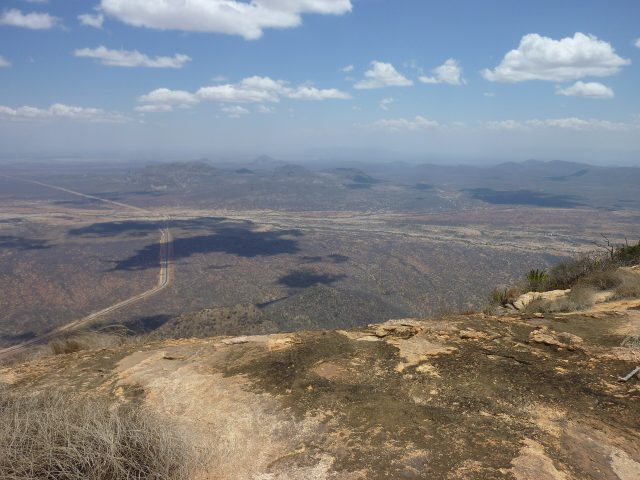
Marsabit Forest feels like a place untouched by time, a rare pocket of green clinging to the highlands of northern Kenya. Surrounded by vast, sunbaked savannas and semi-arid plains, this forest stands in stark contrast to the landscape around it, thriving at an elevation where the air is cooler and the earth stays damp. The scent of wet soil and pine lingers in the breeze, a quiet reminder that this is a world apart. Here, nature follows its own rhythm, creating an ecosystem where history, wildlife, and local traditions intertwine in ways that feel almost forgotten elsewhere.
This isn’t just any forest—it’s a relic, a remnant of a time when such lush expanses were more common across East Africa. Scientists believe it took root thousands of years ago, when the region’s climate was far wetter. Today, it’s one of the last island forests in the area, home to plant and animal species that have all but disappeared from the surrounding drylands. Towering trees, some reaching forty meters high, form a dense canopy that filters the sunlight into a soft, dappled glow. Among them grow rare species like olive and juniper, their branches draped with vines and epiphytes that thrive in the humid air. The forest floor is a tangle of roots and fallen leaves, a living archive of a landscape that has endured against the odds.
The wildlife here is just as remarkable. Elephants, drawn by the promise of water and shade, wander into the forest during the driest months, their presence a quiet testament to the refuge this place provides. Buffaloes move through the undergrowth, while leopards, more elusive, leave only faint traces of their passing. Birdlife is abundant, from the sharp-eyed raptors circling overhead to the smaller, brightly colored species flitting between the branches. Local stories speak of spirits that drift through the trees, of strange sounds echoing from the depths of the forest. Whether or not you believe in such things, there’s an undeniable sense of mystery here, a feeling that this place exists on the edge of the known world.
For the Samburu people, who have lived in these lands for generations, Marsabit Forest is far more than just a source of wood or food. It’s a sacred space, a place where the spirits of ancestors are said to reside and where important rituals still take place. The forest holds a power that commands respect, and even as modern life encroaches, many traditions remain intact. Elders speak of the forest’s role in their history, of how it has shaped their identity and beliefs. To visit is to step into a living culture, one that has found a way to coexist with the land rather than dominate it.
One of the forest’s most striking features is Lake Paradise, a small, crystalline body of water nestled in the crater of an extinct volcano. The lake is surrounded by thick vegetation, its surface often dotted with birds and animals coming to drink. The Samburu call it the lake of happiness, and it’s easy to see why. The stillness of the water, the way the light plays on its surface, the sense of being completely removed from the outside world—it’s a place that invites quiet reflection. There are no crowds here, no distractions, just the occasional ripple of a fish breaking the surface or the distant call of a bird.
Marsabit Forest isn’t a destination for those seeking the usual tourist experience. There are no guided tours, no souvenir stalls, no grand lodges. Instead, it’s a place for travelers who want to step off the beaten path, to find solitude and a deeper connection to the natural world. The journey here isn’t easy—rough roads wind through the arid plains before finally giving way to the cool shade of the forest—but those who make the effort are rewarded with something rare. You can spend days wandering the trails, listening to the rustle of leaves, watching elephants move through the trees, or simply sitting by the lake, letting the silence settle around you.
Despite its remoteness, word of Marsabit Forest is slowly spreading among those in search of new adventures. Yet it remains a place where you can still feel like an explorer, where the absence of crowds makes every discovery feel personal. There are no luxury resorts here, just simple guesthouses and campsites run by locals who welcome visitors with warmth. Staying here offers more than just a chance to see an unusual landscape—it’s an opportunity to learn about the Samburu way of life, to hear their stories, and to understand why this forest matters so deeply to them.
The forest is a reminder of how fragile wild places can be. Over the years, it has faced threats from logging and poaching, but efforts by local communities and conservation groups have helped protect it. Visiting Marsabit comes with a responsibility—to tread lightly, to leave no trace, and to respect the land and its people. This isn’t a place to be conquered or consumed; it’s a place to be experienced with humility. If we’re lucky, it will remain just as it is for generations to come, a quiet sanctuary where the past and present coexist in the rustling leaves and the distant call of a bird.