Marsabit
Kenya · 1 place
Photo: Jens Klinzing, CC BY-SA 3.0
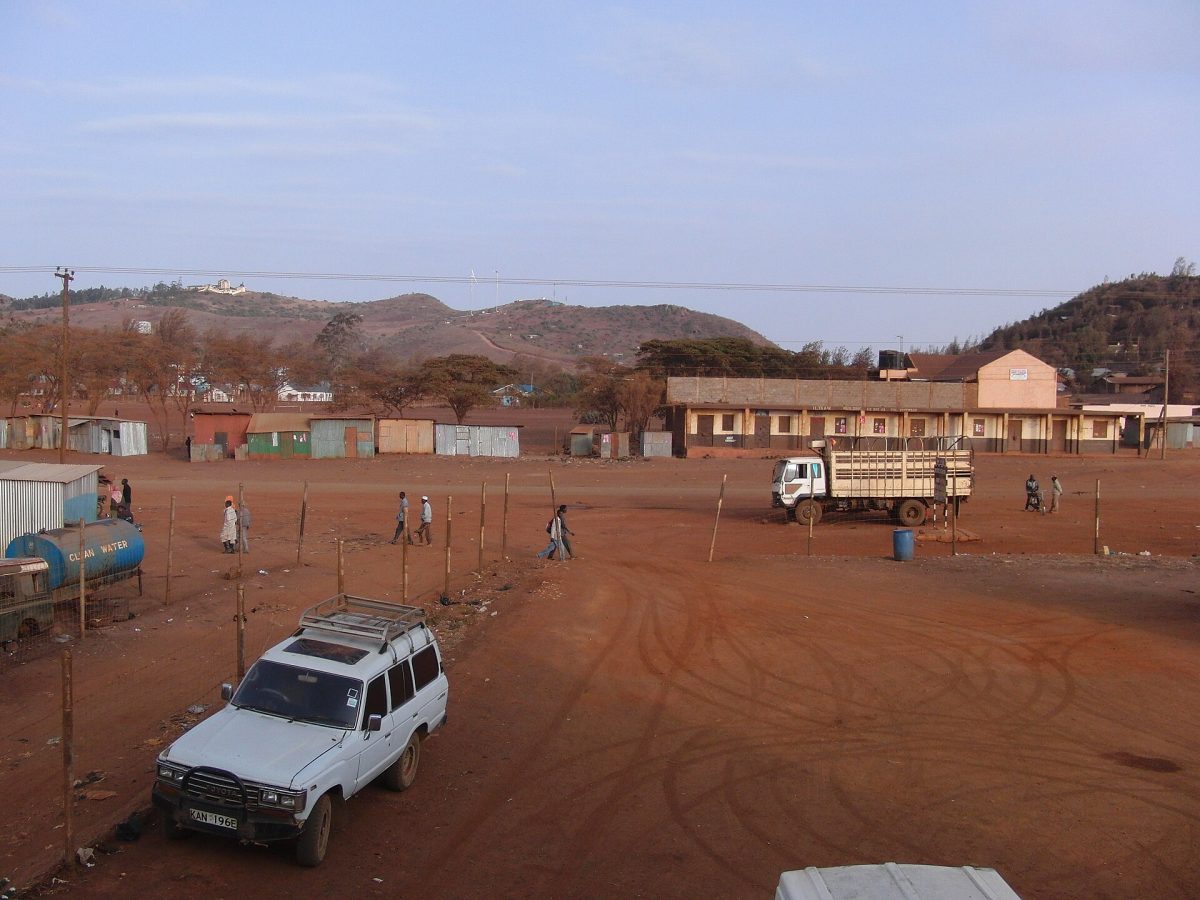
Marsabit is a quiet outpost in northern Kenya, a place where the vast, sunbaked plains stretch endlessly under a sky so wide it feels like the edge of the world. The town clings to the slopes of a long-dormant volcano, its peak often veiled in mist, as if the mountain itself is holding its breath. There are no crowded streets here, no tour buses idling at the curb—just the occasional rumble of a passing truck and the distant cry of birds circling the acacia trees. Life moves at its own pace, unhurried, shaped by the rhythms of the land rather than the demands of the outside world.
Water is the lifeblood of Marsabit, and the town’s heartbeat is the spring at its center, where women gather to wash clothes in plastic basins, children dart between the rocks, and elders sit in the shade, trading stories in low voices. The surrounding landscape is a patchwork of national parks and reserves, home to elephants that wander the dusty trails, zebras grazing on the brittle grass, and the rare black rhino, elusive as a shadow. But Marsabit itself has no grand ambitions to become a tourist hub. There are no luxury lodges here, just simple guesthouses where the beds are firm and the showers lukewarm, and where the real draw is the chance to step into a Kenya that exists far from the beaches of Mombasa or the well-trodden paths of the Maasai Mara.
The climate here is gentler than in much of northern Kenya, tempered by the altitude. Days are warm but not scorching, and the nights can turn cool, especially when the rains come. The town is a meeting point for several communities—Gabbra, Borana, Rendille—each with their own traditions, though the pull of modernity is slowly reshaping daily life. The markets are a riot of color, with piles of fresh vegetables, sacks of spices, and bolts of fabric in bold, clashing patterns. In the evenings, the air fills with the scent of woodsmoke and the sound of songs sung in Swahili and local dialects, drifting from fires that flicker in the dark.
Marsabit is a gateway to some of Kenya’s wildest and least-visited corners. From here, you can venture into Marsabit National Park, where volcanic craters cradle lakes so clear they seem to glow, or head north to Samburu, where the landscape shifts from dry savanna to rocky outcrops and the wildlife is as unique as the terrain. But even if you never leave the town itself, Marsabit has a way of lingering in your memory. It’s not the kind of place that dazzles with grand sights or polished experiences. Instead, it offers something quieter—a sense of stepping into a world that still moves to its own time, where hospitality is unforced and the land itself feels like an old, unspoken promise.
See & Do
All of them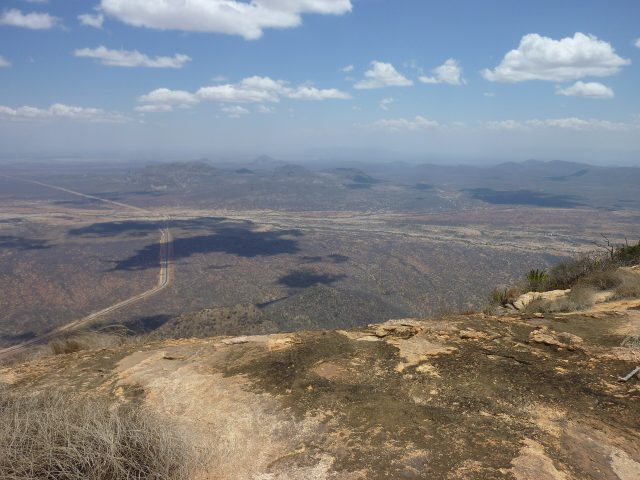
Places on the map
Marker colour follows the categoryClimate and weather
Detailed weather: Marsabit- Average temperature
- 23 °C
- Precipitation per year
- 352 mm
Average air temperature
°C
24
25
24
23
23
22
21
22
23
23
22
23
Jan
Feb
Mar
Apr
May
Jun
Jul
Aug
Sep
Oct
Nov
Dec