Ksar Akil is a quiet place where the past lingers just beneath the surface. Tucked into the foothills of the Lebanese mountains, near Beirut, it feels far from the city’s bustle. There are no crowds or grand monuments—just weathered stones and the faint echo of human history spanning tens of thousands of years. For visitors, it’s a place of stillness, where time feels heavy.
The name comes from Arabic, hinting at a fortress, though the site is nothing like one. It’s a rock shelter, a natural overhang in the limestone that has sheltered humans for millennia. Archaeologists have found evidence of Neanderthals here, later followed by early Homo sapiens. The sediment layers tell a story of survival and slow cultural change. For researchers, it’s been a key site, offering clues about the transition between these species and early human migrations out of Africa.
Excavations began in the early 20th century. Since then, the site has yielded stone tools, animal bones, personal ornaments, and human remains. Among the most important finds are those tied to the Aurignacian culture, one of the earliest signs of modern human behavior in Europe and the Near East. These discoveries have reshaped theories about early human movements and their tools.
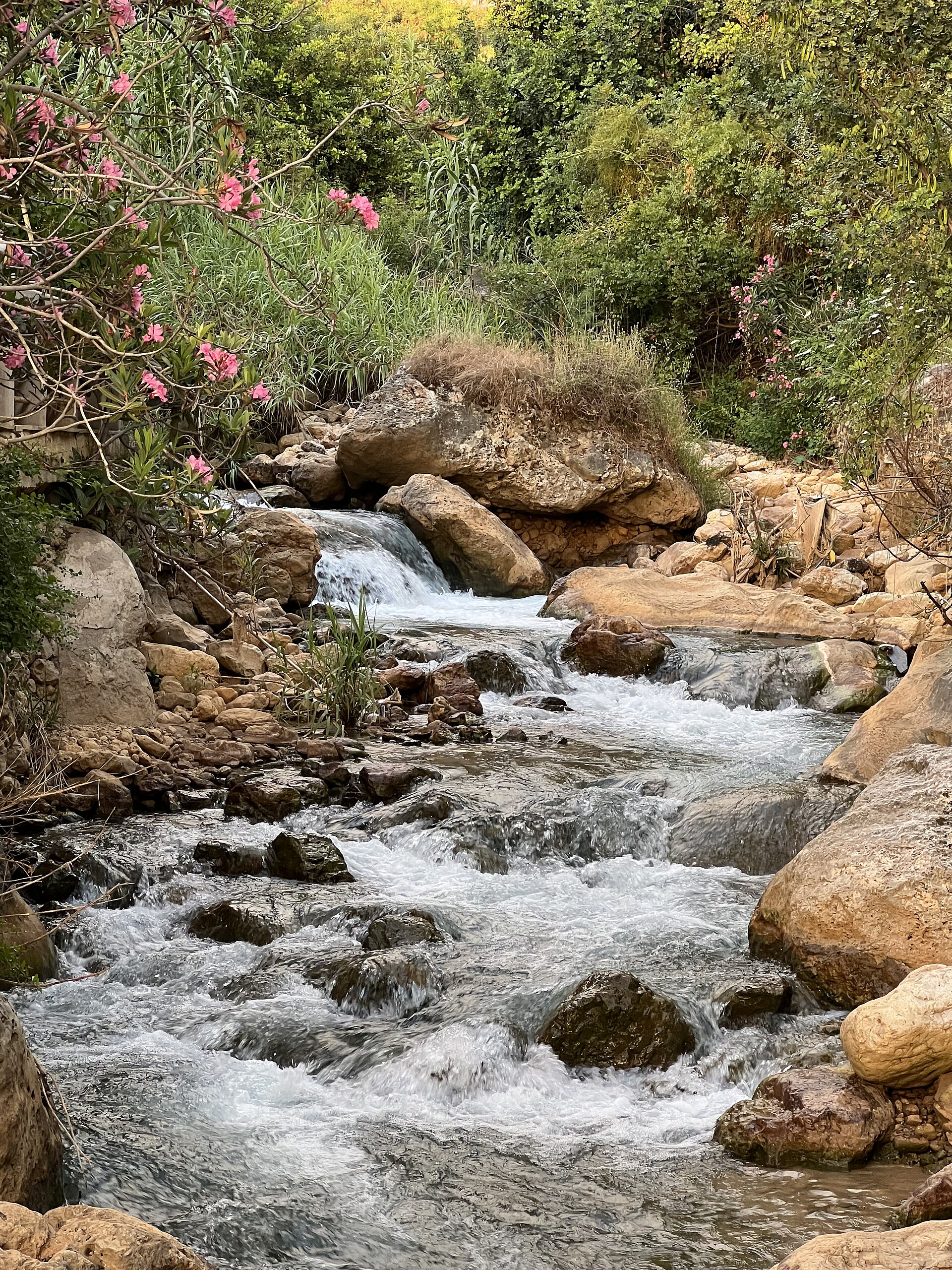
Today, Ksar Akil is a shallow recess in the rock, surrounded by low hills and sparse vegetation. Pine trees dot the landscape, their scent mixing with dry earth. Cicadas hum in the warmer months. There are no visitor centers or signs—just a small marker near the entrance. This lack of infrastructure isn’t a drawback. The site feels untouched, waiting for the next visitor to step into its story.
What makes Ksar Akil special isn’t its grandeur but its rawness. There are no polished relics, just the remnants of human existence. It’s one of the few places in the region where you can trace an almost unbroken line of human presence, from early toolmakers to the first artists. The simplicity forces you to engage differently—not as a spectator, but as someone standing where others once lived.
Combine a visit with nearby destinations. The Bekaa Valley, home to the Roman temples of Baalbek, is a short drive away. So is Byblos, one of the oldest continuously inhabited cities. Beirut is just half an hour by car. The contrast between the site’s quiet and the capital’s energy is sharp.
If you come, prepare for a low-key experience. The path is unpaved, so wear sturdy shoes. Shade is scarce, so bring water. There’s no rush—just the wind through the trees and the occasional birdcall. Sitting on the rocks, you can almost see the people who once gathered here, looking at the same hills. That’s the gift of Ksar Akil: it doesn’t just tell you about history, it lets you feel it.