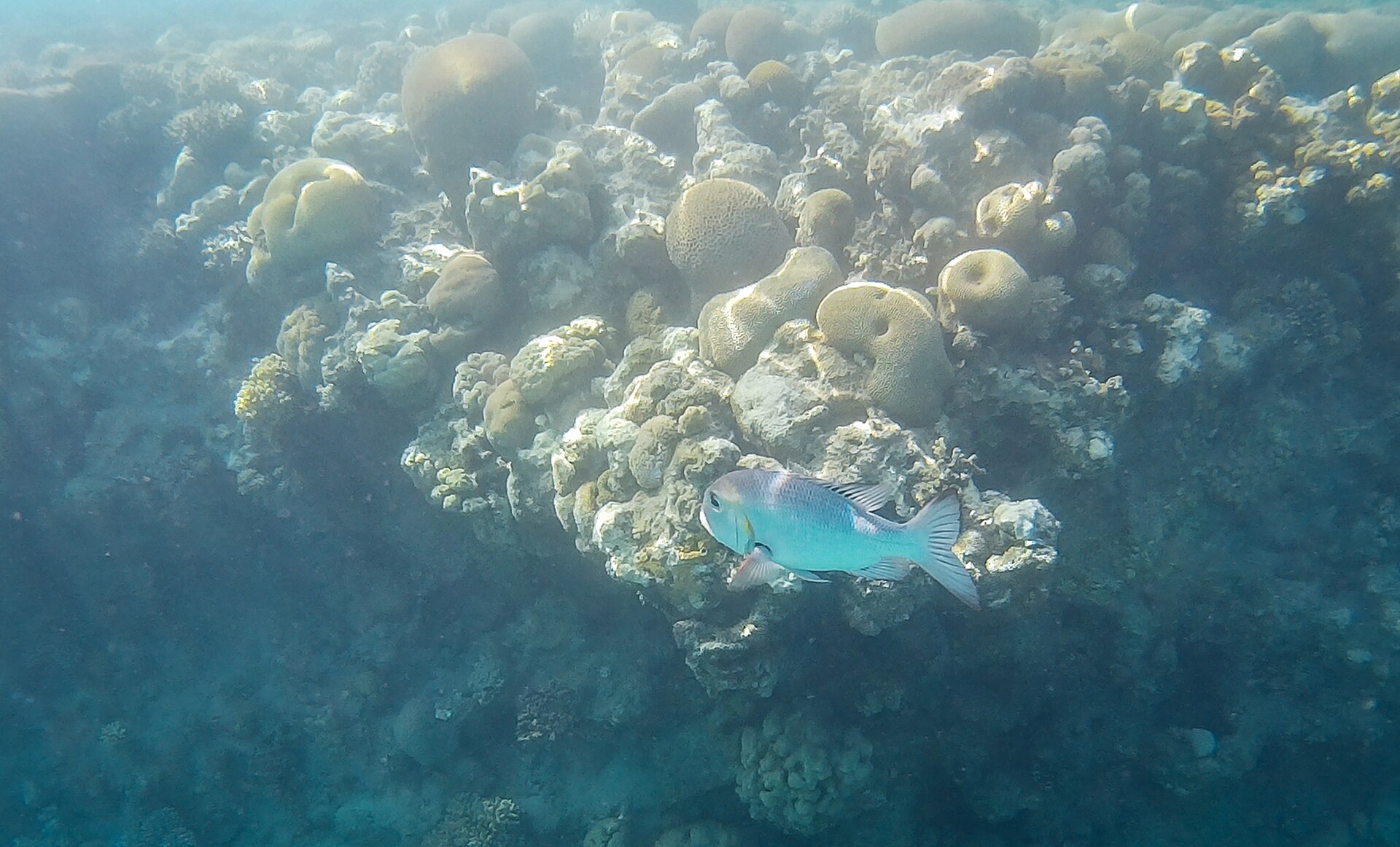
Eilat’s Royal Beach is one of those rare places where the Red Sea and the desert meet in a way that feels deliberately crafted by nature—quiet, unhurried, and just a little magical. Unlike the crowded stretches of sand elsewhere in the city, this beach has a way of making even peak season feel spacious. The shore slopes gently into the water, warm and clear enough to see the seabed several meters down, where fish dart between coral and the occasional sea turtle glides past, indifferent to the people wading nearby. The sand is soft underfoot, and though the beach draws its share of visitors, it’s easy to find a spot where the only sounds are the waves and the wind.
Eilat itself is a city of contrasts, squeezed between jagged mountains and the sea, as if time moves differently here. Sixty years ago, it was little more than a fishing village; now, it’s a resort town with an international airport and a steady stream of travelers. Yet Royal Beach still carries the spirit of the old Eilat, the one that existed before the hotels and entertainment complexes took over. Maybe it’s because the beach sits slightly apart from the main tourist drag, or maybe it’s simply because the sea and the sun remain the real attractions, uncluttered by distractions.
The name "Royal Beach" isn’t about luxury or opulence—there are no grand resorts or private villas lining the shore. Instead, it comes from the way the beach transforms at sunset. As the sun dips behind the Jordanian mountains, the sky over the water turns into a canvas of impossible colors: gold bleeding into pink, the sea reflecting the hues like liquid glass. The mountains on the far side of the gulf seem to glow from within, and for a moment, it’s easy to understand why ancient cultures considered these places sacred. There’s something almost hypnotic about it, a quiet grandeur that lingers long after the light fades.
The beach is well-kept without being overdeveloped. You can rent sunbeds and umbrellas, though many visitors bring their own. Showers and restrooms are clean, and a line of low palms offers a little shade during the hottest part of the day. The water near the shore is shallow, making it a favorite for families with children, but venture a little farther out, and the underwater world opens up. The coral reefs here aren’t as vast as those in Egypt or the southern Sinai, but they’re perfect for snorkeling—just a mask and a snorkel, and you’re swimming alongside schools of fish, sea urchins, and the occasional curious octopus.
Royal Beach isn’t just a place to relax; it’s also a piece of Eilat’s history. Back in the 1970s, when the city was still finding its footing as a resort destination, this was where the first windsurfing competitions were held. What was once an exotic novelty is now one of the coast’s defining activities, though the beach isn’t ideal for beginners. The winds in the Gulf of Aqaba can be strong, and the waves unpredictable, but for those who know what they’re doing, it’s a thrilling spot to ride the breeze.
As evening falls, the beach doesn’t empty out. When the heat of the day subsides, locals and visitors alike come to stroll along the shore or sit by the water with a cold drink. Eilat’s nights have a different rhythm than those in Tel Aviv or Haifa—quieter, slower. You can rent a bike and ride along the promenade, or just sit on the sand and listen to the waves. Occasionally, there’s live music or a small gathering, but it’s never intrusive. The real draw is the way the city unwinds after dark, the way the lights from the hotels reflect on the water, and the way the desert air cools just enough to make the evening feel like a reward.
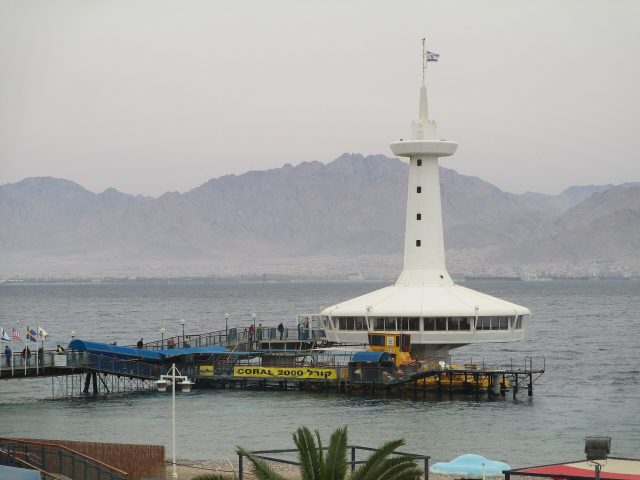
From Royal Beach, it’s easy to explore the rest of what Eilat has to offer. A short walk or bike ride away is the Underwater Observatory, where you can watch marine life without getting wet, or Timna Park, with its surreal rock formations and ancient copper mines. Head north along the coast, and you’ll reach the old docks, where fishing boats still bob in the water and the air smells of salt and seaweed. Nearby, a small market sells fresh fish and seafood, a reminder that even in a modern resort town, the sea still provides.
In winter, Eilat becomes even more subdued. There are fewer tourists, the water is cooler, and the wind picks up, but the beach takes on a different kind of beauty. Without the crowds, the sunbeds, and the noise, Royal Beach feels almost untouched—just the sea, the sand, and the mountains in the distance. It’s a place where you can walk for miles without seeing another soul, where the only sounds are the waves and the occasional cry of a seabird. For a few months of the year, the beach belongs to those who prefer solitude over spectacle.
Even in summer, though, it’s possible to find a quiet corner. Walk far enough from the main gathering spots, and you’ll have the sea and the sky to yourself. Just remember to take basic precautions—the sun here is deceptively strong, and jellyfish sometimes drift close to shore. But if you’re mindful, a day at Royal Beach can feel like a small escape, not because it’s extraordinary, but because it’s ordinary in the best way. There’s no rush, no agenda, just the slow rhythm of the waves and the sense that, for a little while, time doesn’t matter.