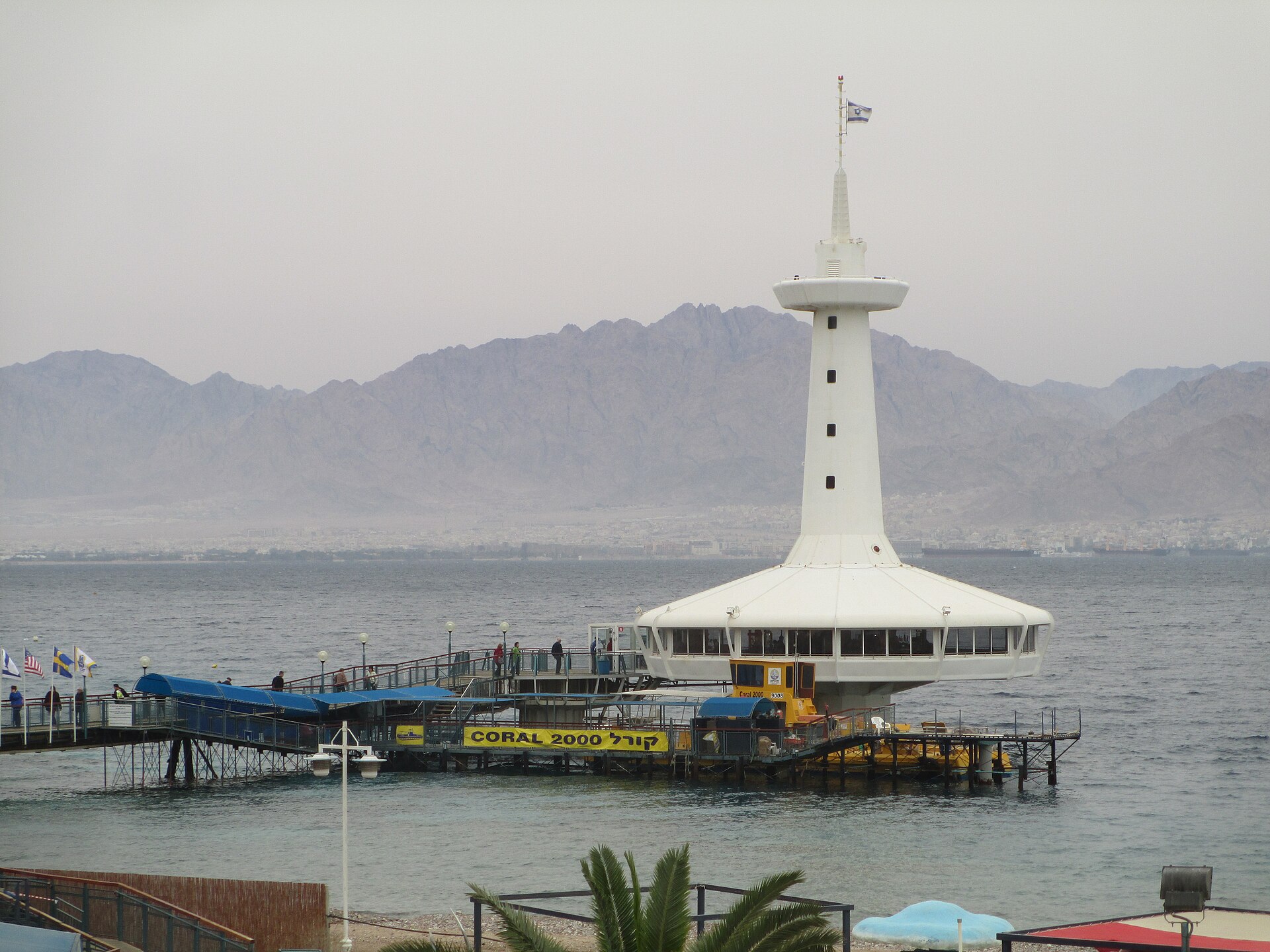
Eilat’s Underwater Observatory is one of those rare places where the line between land and sea blurs effortlessly. Perched on the southern tip of Israel, where the Red Sea meets the shore, it offers a glimpse into an underwater world without ever needing to dive in or even get your feet wet. More than just an attraction, it’s a working research station that has spent decades serving as a window into the vibrant ecosystem of the coral reefs just beyond the glass.
The observatory exists here for a reason. Eilat is famous for its crystal-clear waters and extraordinary marine biodiversity, home to some of the northernmost coral reefs in the world. In the mid-20th century, scientists and divers began exploring the local marine life, quickly realizing that this underwater world could be observed from shore just as easily as from beneath the waves. That insight led to the creation of a permanent observatory, making the reef’s wonders accessible to anyone, regardless of age or physical ability.
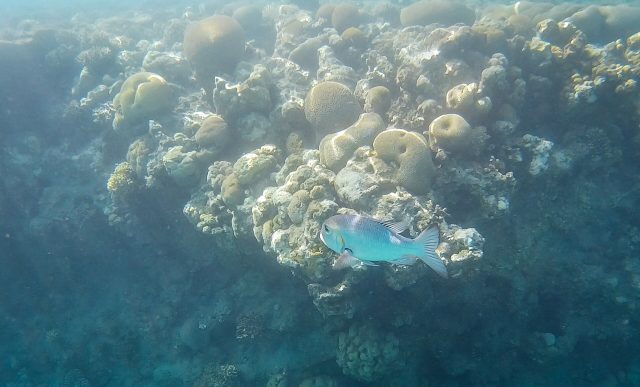
From the outside, the building itself is unassuming—a modest complex built into the rocky coastline. But the real magic lies beneath the surface. A sturdy structure of metal and glass extends several meters underwater, where massive windows frame a living aquarium. Through them, visitors watch coral gardens teeming with life: clownfish darting between anemone tentacles, surgeonfish weaving through branching corals, and the occasional sea turtle or moray eel gliding past. The view is mesmerizing, a silent ballet of color and movement that can hold your attention for hours.
Beyond the main observation hall, the observatory has several themed areas that deepen the experience. One section recreates the reef at night, with dim lighting and special windows that reveal how marine life changes after dark. Another focuses on corals themselves—how they grow, why they’re vital to the ecosystem, and the threats they face today. Interactive displays and informational panels turn the visit into something more than just a spectacle; it becomes a lesson in how fragile and interconnected this underwater world truly is.
Then there’s the shark tank. Small but striking, it brings visitors face-to-face with these often-misunderstood predators. The sharks here are curious rather than aggressive, gliding up to the glass as if aware of the audience on the other side. For many, this is their first real encounter with sharks, one that often reshapes their perception of them—not as mindless hunters, but as graceful, essential parts of the ocean’s balance.
The observatory is open year-round, though the best time to visit is during spring or autumn, when the water is at its clearest and the weather is mild. Summers bring crowds, especially on weekends when families flock here, while winters see fewer visitors and slightly less active marine life. Still, even in cooler months, the reef doesn’t lose its charm. The corals remain vibrant, the fish keep swimming, and the underwater world carries on, indifferent to the changing seasons above.
What many visitors don’t realize is that the observatory isn’t just a place to look at fish—it’s an active research hub. Scientists here study the health of the coral reefs, monitor environmental changes, and work on restoration projects. The findings are shared with the public, offering a chance to learn about the challenges facing marine ecosystems, from natural shifts to human impact. For some, it’s a wake-up call, a reminder of how delicate this underwater world is and how much it depends on our care.
Outside, a small park surrounds the observatory, with paths leading to viewpoints overlooking the bay. On clear days, the mountains of Jordan rise in the distance, and if the light is just right, you might even make out the faint outline of the Sinai Peninsula. Evenings are particularly beautiful here, as the setting sun turns the water into a shifting palette of gold, turquoise, and deep blue. It’s a place that feels removed from the usual tourist bustle of Eilat, where the only sounds are the gentle lapping of waves and the occasional murmur of awe from visitors.
There’s something quietly profound about standing in a dry, air-conditioned room while an entire ocean thrives just inches away. The observatory has a way of slowing time down, stripping away the noise and haste of everyday life. People return here not just to see the same fish or corals again, but to recapture that sense of wonder—the way a butterflyfish flits between branches, how an octopus changes color to vanish into the reef, or simply the hypnotic rhythm of life moving beneath the surface. It’s a reminder that some of the most extraordinary places on Earth don’t require a passport or a plane ticket, just a willingness to look a little closer.