Timna Park feels like a place where the earth itself decided to experiment—sculpting rock into shapes so unusual they could be mistaken for a film set. Tucked into the Arava Desert, just a thirty-minute drive from Eilat, this sixteen-square-kilometer expanse is a quiet world of wind-carved stone, endless sky, and the faint echoes of ancient civilizations. There are no crowds here, no city noise, just the vastness of the desert and the occasional murmur of visitors wandering through its otherworldly landscapes.
The history of Timna stretches back thousands of years, with each layer of rock telling its own story. Copper mining began here around six millennia ago, making it one of the earliest known sites for extracting the metal. The Egyptians were among the first to exploit these deposits, followed by local tribes like the Midianites, who left behind tunnels, mines, and petroglyphs etched into the stone. Some of the most striking carvings depict chariots, animals, and cryptic symbols, offering a glimpse into the lives of those who once worked in this harsh environment. These ancient markings are like a window into the past, revealing the daily struggles and ingenuity of people who called this desert home.
The geology of Timna is a masterpiece shaped by time. The park is famous for its surreal rock formations, including the so-called Mushroom Rocks—tall pillars capped with broad, flat tops, as if carved by a sculptor’s hand. These shapes emerged over millions of years as wind and water eroded softer rock, leaving behind the harder layers. Another iconic sight is Solomon’s Pillars, towering red sandstone cliffs named after the biblical king, though their connection to him remains more legend than fact. These pillars rise dramatically against the sky, their deep hues shifting with the light, creating a striking contrast with the desert’s vastness.
Beyond its natural wonders, Timna offers a few reconstructed sites that bring its history to life. Visitors can explore an ancient copper mine, where the tunnels and tools of early miners are still visible. There’s even a chance to try panning for small pieces of the mineral, a simple but oddly satisfying way to connect with the past. Nearby, an open-air museum displays artifacts like mining tools and pottery, while a reconstructed temple dedicated to Hathor, the Egyptian goddess of miners, stands as a reminder of the spiritual beliefs that once guided those who worked here. The temple’s walls are adorned with reliefs, and as the sun sets, the fading light casts long shadows, deepening the sense of mystery.
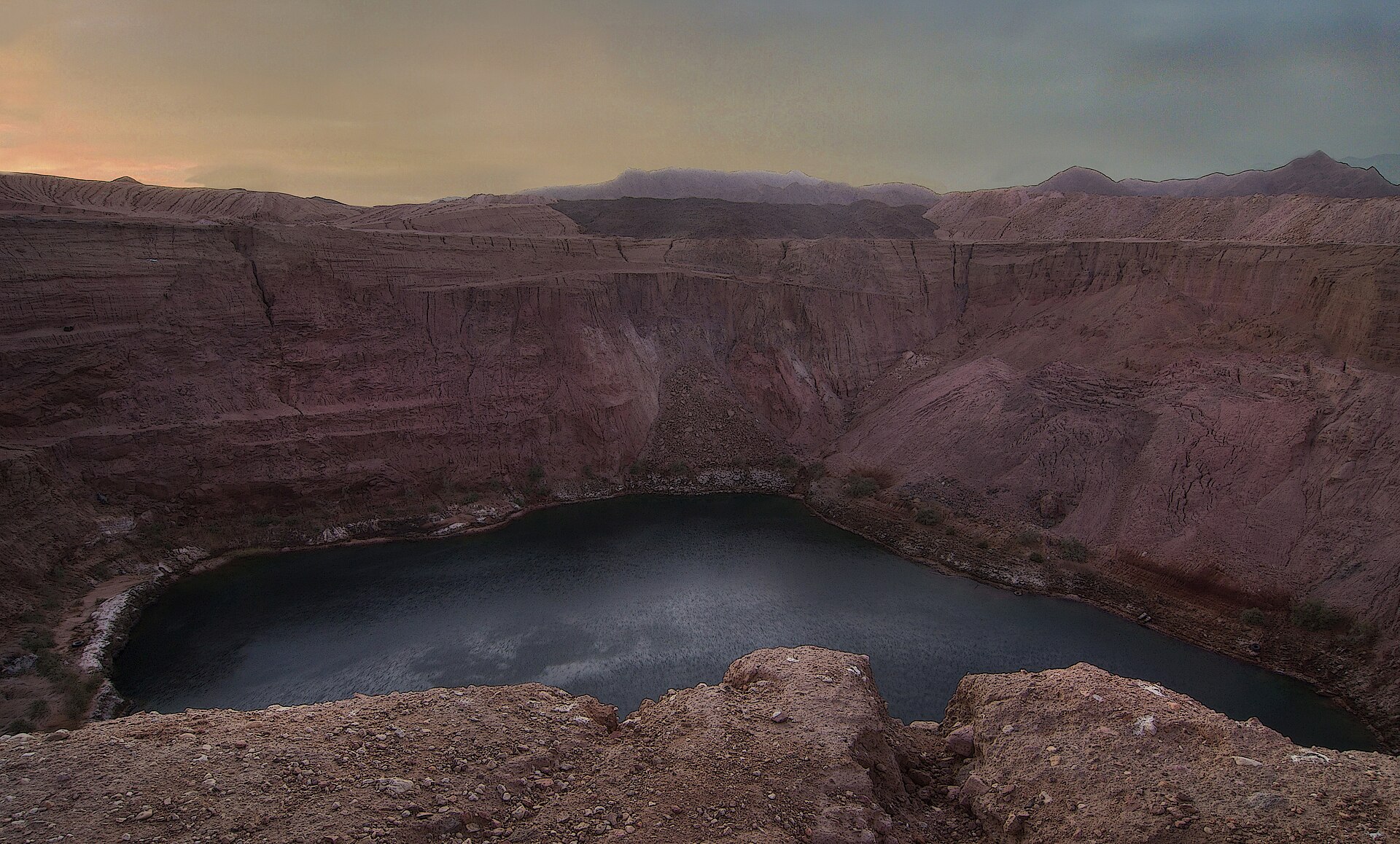
Timna isn’t just for history buffs or geology enthusiasts—it’s also a place to escape the noise of modern life. The park has well-marked trails ranging from easy walks to more challenging hikes, leading to some of its most scenic spots. One of the most popular routes takes visitors to Timna Lake, an artificial body of water surrounded by cliffs and palm trees. Though shallow and too salty for swimming, the lake’s reflective surface creates the illusion of an oasis in the desert. In the summer, it becomes a gathering spot for locals and travelers looking to cool off, though the real draw is the way the water mirrors the changing colors of the sky.
The atmosphere in Timna shifts with the time of day. In the early morning, the rocks take on soft pink and gold tones, their shadows stretching long across the sand. By midday, the sun beats down relentlessly, turning the landscape into a stark study of reds and browns against the brilliant blue sky. But the most magical moments come at sunset, when the cliffs glow like embers, their surfaces warm and luminous. It’s easy to lose track of time here, watching as the light transforms the desert into something almost surreal.
Despite its remote location, Timna is well-equipped for visitors. There’s a parking lot, restrooms, a small café for snacks, and even bike rentals for those who want to explore the valley on two wheels. Entry is reasonably priced, and the experience is well worth it. Just remember that the desert can be unforgiving—summer temperatures soar, so bringing water, a hat, and sunscreen is essential. In the winter, when the weather cools to a more comfortable range, the park becomes an ideal destination for hiking and exploring.
Timna is more than just a tourist attraction; it’s a place where history, nature, and myth intersect. You could spend an entire day wandering through ancient mines, marveling at rock formations, or simply sitting on a boulder, watching the desert’s colors shift with the light. There are no amusement park rides or flashy shows here—just the quiet grandeur of a landscape shaped by time. It’s a place for those who appreciate solitude, open spaces, and the chance to step into a story much older than their own. In Timna, the past doesn’t feel distant; it feels alive.