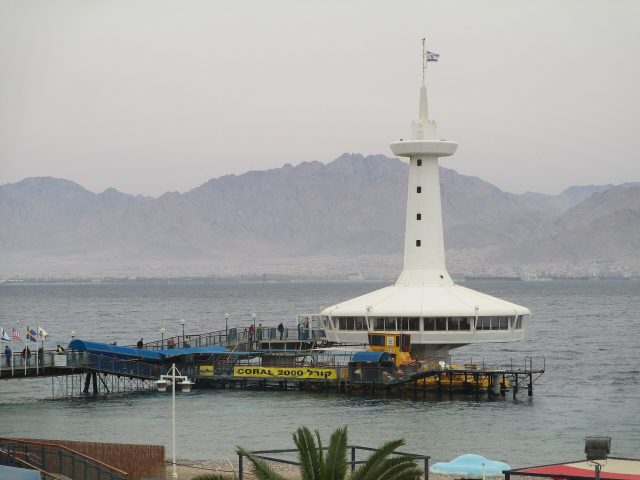
Eilat sits at the southernmost tip of Israel, where the Red Sea meets the Negev Desert. It’s a place unlike anywhere else in the country—no Mediterranean greenery, just rugged mountains, golden beaches, and water so clear it seems to glow from within. The city feels like a world apart, a mix of resort town and frontier outpost where Israel’s borders with Egypt and Jordan blur into the background. Here, the rhythm of life is slower, shaped by the sea, the desert, and a history that stretches back thousands of years.
The story of Eilat is as old as the land itself. The Bible mentions it as a stopping point for the Israelites during their exodus from Egypt, and later, it became a key junction on ancient trade routes linking the Arabian Peninsula to the Mediterranean. For centuries, it was little more than a dusty outpost where camel caravans paused on their way through the desert. The modern city only took shape in the mid-20th century, when Israel began developing its southern territories. Today, Eilat is a young, vibrant place, a far cry from its humble origins, yet it still carries the quiet, unpretentious feel of a town where nature sets the rules.
Architecture in Eilat isn’t grand like Jerusalem’s or sleek like Tel Aviv’s. The city grew quickly, and many buildings are practical, even plain. But there’s a certain charm in its simplicity. The waterfront is dotted with quirky sculptures and art installations that give the place an unexpected creative edge. The old port area, with its weathered docks and gleaming yachts, tells its own story of a city that’s always been tied to the sea. Yet the real masterpiece here isn’t man-made—it’s the landscape itself. The red cliffs framing the city and the ever-changing hues of the sea at sunrise or sunset make even the most ordinary walk feel like something special.
Eilat is, above all, a seaside escape. The climate is warm year-round, with winters rarely dipping below twenty degrees Celsius. Summers can be intense, but the sea offers relief—its waters are among the warmest in the world, inviting swimmers even in the cooler months. The beaches vary from well-equipped stretches with loungers and cafes to wild, untouched coves where you can spend the day far from crowds. The northern beaches are especially popular, where the water is so transparent that the underwater world feels almost within reach.
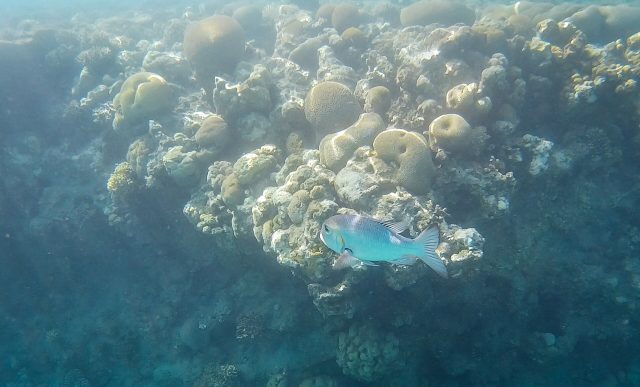
The Red Sea here is a paradise for divers and snorkelers. Eilat is home to one of the northernmost coral reefs in the world, and its marine life rivals that of tropical seas. Schools of brightly colored fish dart between corals, sea turtles glide through the water, and if you’re lucky, you might spot dolphins. Even if you’ve never dived before, the reef is accessible—just a mask and snorkel away. For those who want to explore deeper, dive centers offer trips to shipwrecks and underwater caves. But even a simple swim here leaves a lasting impression, as if you’ve stepped into another world.
Beyond the sea, Eilat has plenty to offer. The surrounding desert is a playground for adventure—jeep tours wind through canyons, and camel rides take you across the dunes. A short drive away, Timna Park holds ancient copper mines and surreal rock formations that look like something from a fantasy. Back in town, the oceanarium and dolphin reef provide a closer look at marine life, while bars and clubs cater to those who want a taste of nightlife. Still, Eilat’s vibe is more relaxed than rowdy, a place where the days unfold at their own pace.
Eilat’s location makes it a gateway to other worlds. The Egyptian border is just a few kilometers away, and many visitors take day trips to the Sinai Desert or the resort town of Taba. To the east, the border crossing into Jordan opens up journeys to Petra or Wadi Rum, where the landscape shifts dramatically in just a short drive. Even within Eilat, traces of its neighbors are visible—in the spice-scented markets, the Bedouin-inspired dishes served in local restaurants, or the souvenirs from Egypt and Jordan that find their way into the shops.
What sets Eilat apart from other resort towns is its lack of pretense. There’s no sense of artificiality here, perhaps because the desert and the sea are always present, reminding you that nature is the real host. Even in peak season, it doesn’t feel crowded like Tel Aviv’s beaches or the bustling boardwalks of other tourist hubs. Eilat is for those who want space, quiet, and a connection to the elements. Whether it’s watching the sunset paint the cliffs in gold or listening to the silence of the desert at night, the city has a way of making time feel irrelevant.
In the end, Eilat is a place to unwind. There’s no rush, no pressure to do or see it all. The sea, the sun, and the mountains create a sense of freedom that’s hard to find elsewhere. The city doesn’t try to be anything more than what it is—a small, sun-drenched outpost where the desert meets the sea. And that’s exactly why it works. It doesn’t promise luxury or excitement; it simply offers the chance to slow down and let the landscape do the talking. For those who listen, it’s enough.