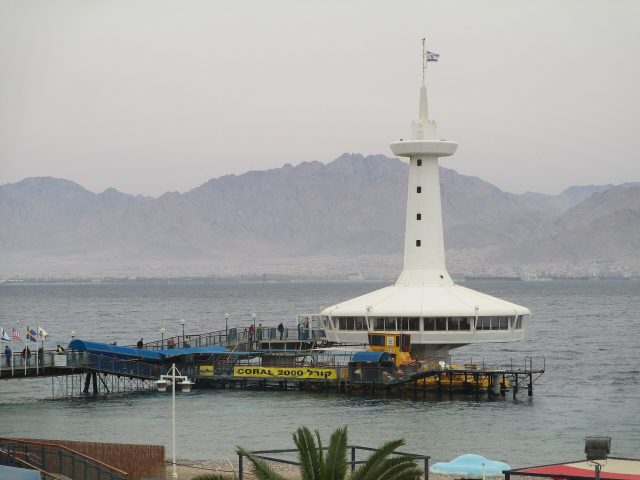
Eilat is a place where the desert meets the sea, and Coral Beach is one of the reasons travelers make the journey here. Unlike the crowded resort strips with rows of sunbeds and umbrellas, this small, quiet cove offers something different—a chance to step into water so clear it feels like standing on glass. The beach itself is modest in size, but that’s part of its charm. It doesn’t try to impress with amenities or entertainment; instead, it invites you to slow down and discover the underwater world of the Red Sea in its most natural state.
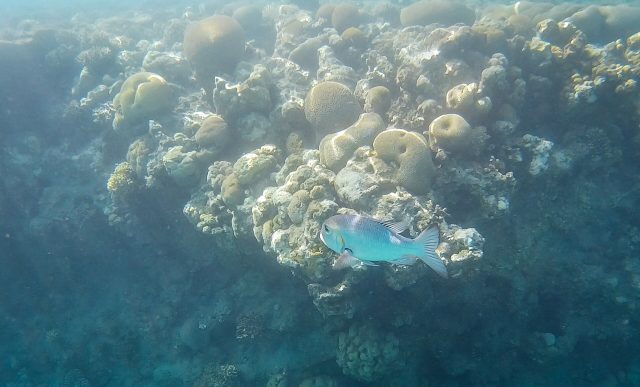
Coral Beach isn’t just a stretch of sand—it’s part of Israel’s first marine reserve, where the rules aren’t just formalities but a commitment to protecting a fragile ecosystem. Fishing, touching corals, or taking shells is prohibited, and the result is a thriving underwater landscape that feels almost untouched. The reef here isn’t as flamboyantly colorful as those in tropical brochures, but its muted tones and intricate formations create a sense of drifting through a submerged garden. Just below the surface, schools of clownfish dart between the corals, sea turtles glide lazily, and if you’re lucky, you might spot dolphins in the distance.
The water stays warm year-round, but the best time to visit is during spring or autumn, when the heat isn’t overwhelming and the sea is calm. Entry is free, and if you want to explore beneath the surface, snorkeling gear can be rented on-site. For those who prefer to stay dry, a rocky viewpoint offers a panoramic view of the bay, where the water shifts from turquoise near the shore to deep blue farther out. It’s a quiet spot to watch the light play on the waves or simply take in the vastness of the sea.
The beach sits at the southern edge of Eilat, far from the city’s bustle. You can walk here if you’re staying in one of the nearby hotels, or take a bus from the center. There are no cafes or shops, just a few stalls selling water and snacks, so it’s best to bring what you need. That lack of development is part of the appeal—here, you can spend hours without distractions, especially if you arrive early, when the morning sun is still gentle and the water holds the coolness of the night.
Coral Beach has been part of Eilat’s story since the city began transforming from a small port into a tourist destination in the mid-20th century. Back then, it was one of the few places where people could experience the Red Sea’s underwater beauty without organized tours or glass-bottom boats. Locals would grab masks and explore the reef on their own, and while today there are more conveniences, the sense of discovery remains. The beach feels like a place where time moves differently, where the focus isn’t on ticking off sights but on simply being present.
There’s no grand architecture here, just a simple wooden walkway leading to the water and a few benches where you can sit and watch the sea. The surrounding landscape is rugged desert, a reminder that Eilat exists at the edge of things—where land and water collide. In the evening, as the sun dips behind the Jordanian mountains, the sky turns shades of pink and orange, and the water shimmers with the last light of the day. It’s a quiet, almost meditative scene, far removed from the noise of the city.
This isn’t a place for those seeking luxury or constant entertainment. Coral Beach offers something rarer: a chance to witness the sea as it was before humans reshaped it. You can spend hours watching fish weave through the corals or lie on the sand, listening to the rhythm of the waves. It’s not the kind of spot where people come for social media photos; it’s where they come to pause, to breathe, and to remember what it feels like to be still.
If you’re in Eilat, it’s worth venturing beyond the city’s main beaches. Coral Beach lets you see the Red Sea not as a tourist attraction but as a living ecosystem, where every rock and fish has its place. There are no crowds here, no rush for the next experience—just the quiet, the water, and the sense that you’ve stumbled upon something timeless.