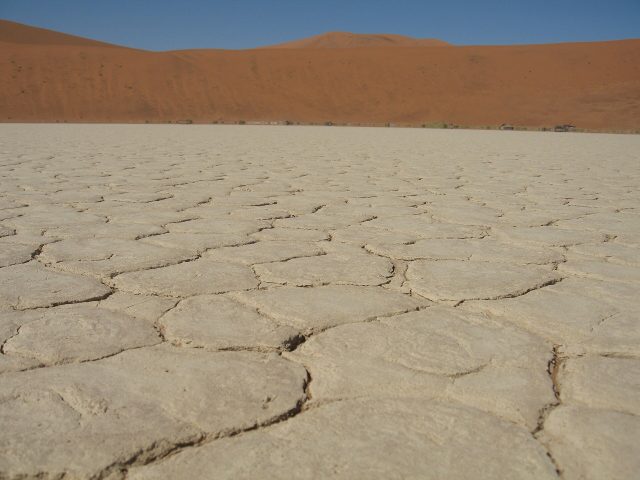
Sesriem isn’t so much a town as it is a gateway to one of the most extraordinary landscapes on earth. Here, in southern Namibia, where the Namib Desert meets the foothills, a quiet campsite serves as the starting point for those drawn to the towering dunes of Sossusvlei or the rugged depths of Sesriem Canyon. The name itself comes from Afrikaans, meaning "six thongs"—a reference to the six leather straps early settlers once needed to pull water from the deep well in this arid land. The well is long gone, but the name endures, a quiet reminder of how fragile life is in the desert and how precious water remains in these parts.
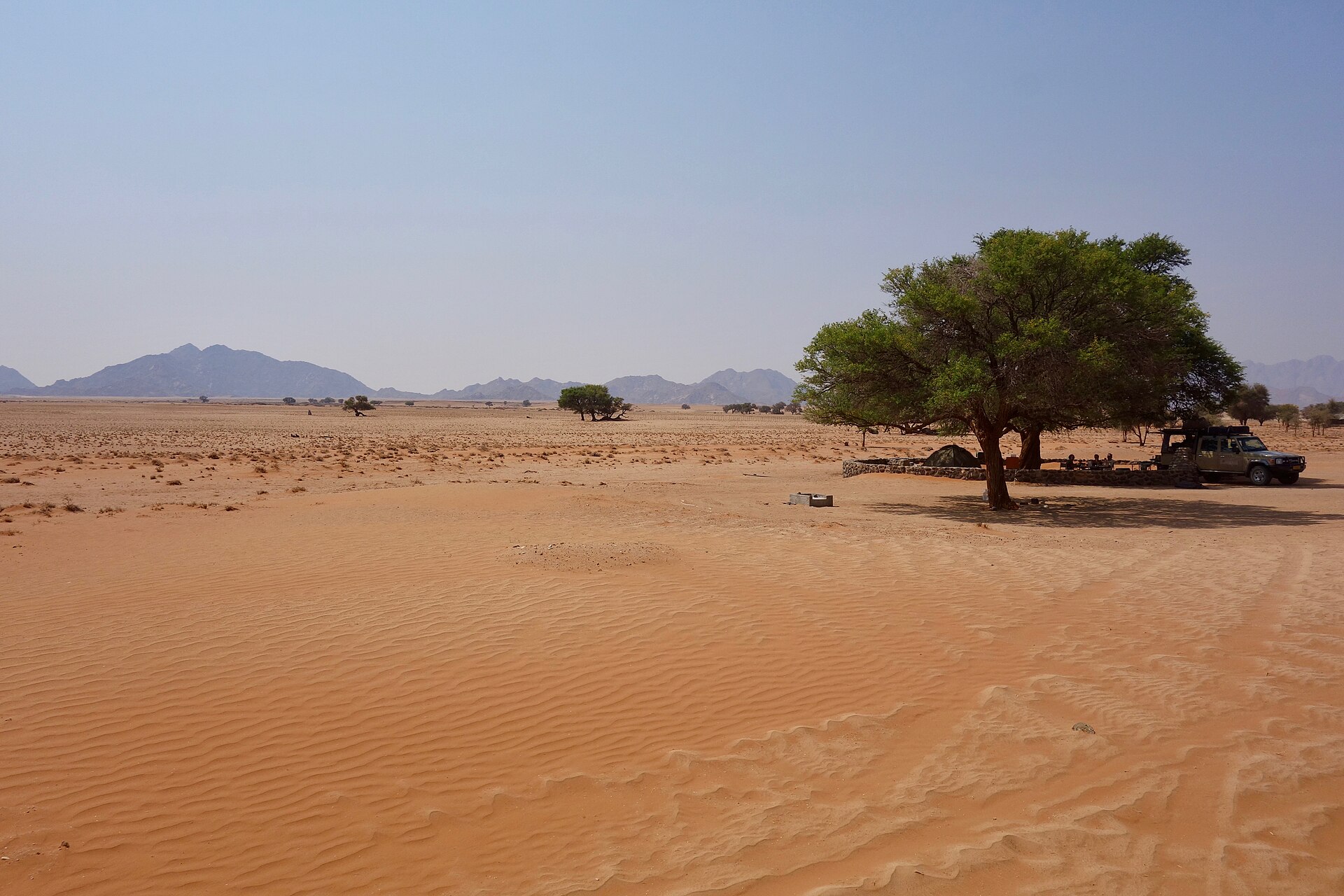
The campsite at Sesriem is more than just a place to park a vehicle or pitch a tent. It’s a small oasis of order and stillness amid the endless sands, where the essentials are provided without pretension. There are level spots for campervans, shaded areas for tents, hot showers, and even a modest pool to cool off after a long drive. The atmosphere is unhurried, almost homely—by evening, travelers from around the world gather around fires, swapping stories of dunes and the impossibly clear night sky, where the Milky Way stretches so vividly it feels almost within reach.
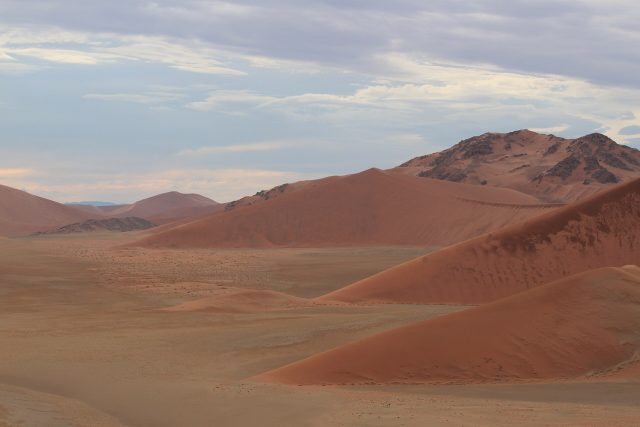
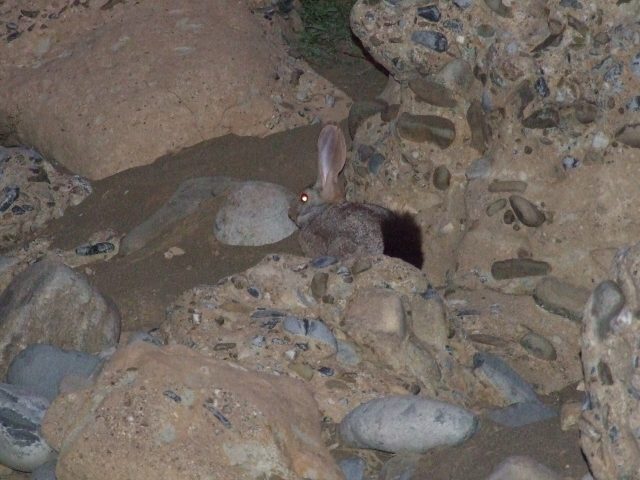
Mornings here begin before dawn. That’s when most visitors set out for the gates of Namib-Naukluft National Park, eager to reach Sossusvlei in time for sunrise, when the dunes glow in shifting hues of red and gold. The drive to the park entrance takes only minutes, but the journey through the sand can easily fill an entire day. Those who stay behind often linger over breakfast in the open air, watching as the desert slowly comes to life—ground squirrels darting from their burrows, lizards basking on sun-warmed rocks, and the occasional glimpse of an oryx or ostrich in the distance.
The architecture of the campsite is as simple and practical as everything else in this landscape. The low-slung buildings and shelters, made from local materials, are designed to withstand the relentless sun and the occasional fierce wind. Around them, acacia trees and thorny shrubs stand sparse but resilient, sheltering a hidden world of desert creatures. When night falls and the temperature drops, the air fills with sounds—the crackle of fires, the distant howl of jackals, the whisper of wind through dry branches. There’s no city noise here, just the unhurried rhythm of life dictated by the desert’s rules.
Time moves differently in Sesriem. There’s no rush, because in the desert, everything follows the slow cycles of nature—the rising and setting of the sun, the shifting colors of the dunes, the wind sculpting new patterns in the sand. The campsite is a waypoint for those who want to immerse themselves in this world without entirely giving up comfort. It’s a place to rest, refuel, pick up supplies at the small shop, or grab a coffee before heading deeper into the desert, where roads fade and the landscape opens up in all its stark beauty.
For many travelers, Sesriem is their first real taste of Namibia. There’s none of the polished tourism found in Windhoek or along the coast, just a sense of authenticity and quiet simplicity. People come here not for luxury, but for the experience—to watch the sun rise over the dunes, to listen to the silence of the desert, to feel the heat of the sand beneath their feet. The campsite is just a temporary stop, but it’s often where visitors first realize that the desert isn’t a lifeless void. It’s a world unto itself, governed by its own rules, full of subtle beauty and quiet resilience.
As evening settles and the sky turns shades of violet and rose, the campsite takes on a different energy. Fires burn brighter, and people gather to share stories of the day—climbing Dune 45, spotting wildlife, or simply sitting in awe of the vastness around them. The stars here are so clear it’s as if you could reach out and touch them. There’s no urban clamor, just the quiet sounds of the night—the occasional rustle of a small animal, the distant call of a jackal, the soft murmur of voices around the fire.
Sesriem isn’t the end of the journey, but the beginning. From here, the possibilities stretch in every direction—north to Skeleton Coast, where the ocean meets the desert; east to the canyon that shares its name; or south toward the mountains and valleys where ancient rock paintings still whisper of the past. Yet many find themselves returning, drawn back by something intangible—the quiet magic of the desert, the way it makes time feel irrelevant, the way it invites you to simply be. The campsite at Sesriem isn’t just a place to sleep. It’s part of a larger voyage, one that starts long before you arrive and lingers long after you’ve left.