Joubert Park is one of Johannesburg’s oldest public spaces, established in the late 19th century when the city was still finding its feet. Back then, Johannesburg was little more than a rough-and-tumble mining settlement, and the idea of carving out green spaces on its outskirts was a way to soften the harsh industrial landscape. The park was named after Julius Joubert, an early city official who championed the idea of bringing nature into the growing urban sprawl. Over time, it evolved from a simple patch of greenery into something far more meaningful—a place where the city’s past and present intersect in quiet, unassuming ways.
The park’s design is understated, reflecting the practical aesthetics of its time. Wide pathways paved with stone, old-fashioned lampposts that have stood since the early 1900s, and classic wooden benches give it a timeless feel, as if little has changed since the days when horse-drawn carriages might have passed through. At its center, a modest fountain serves as a gathering spot, where people linger with books, conversations, or just the occasional moment of stillness. There are no grand monuments here, no towering sculptures—just the quiet dignity of a place that has always been more about people than pomp.
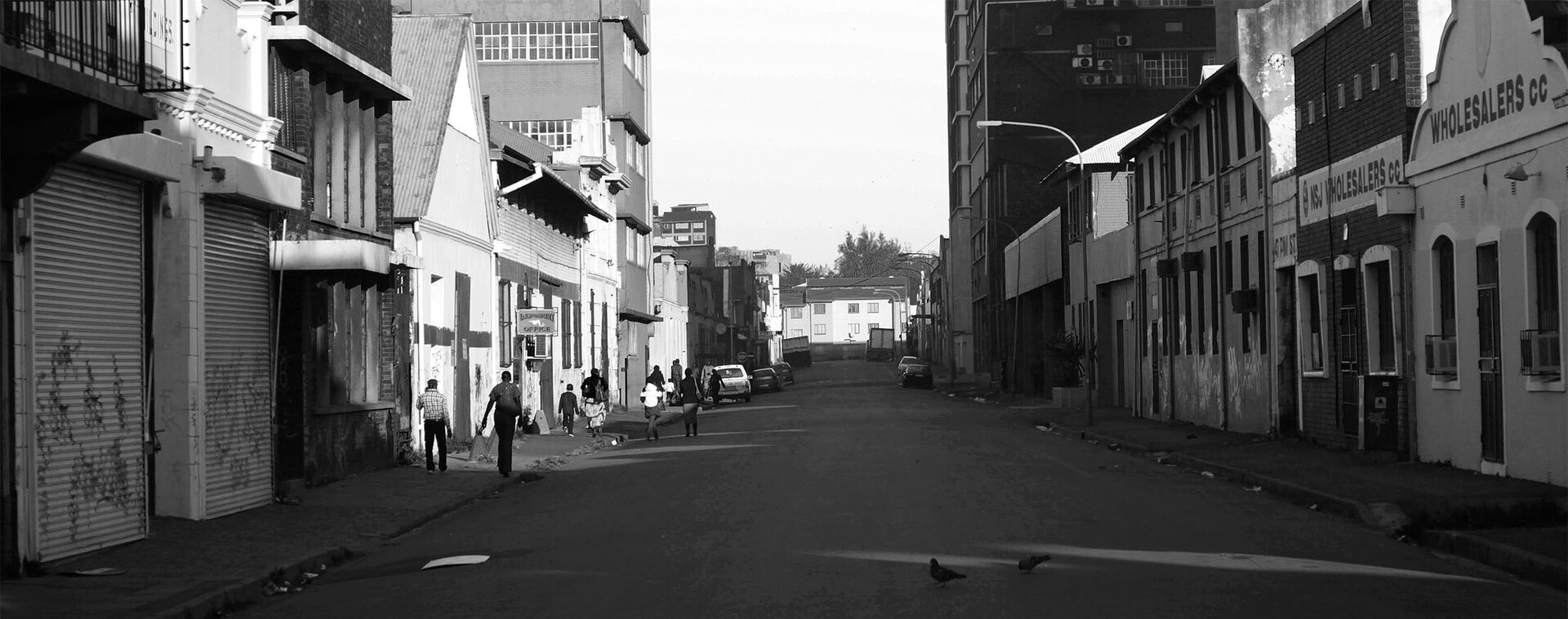
From the beginning, Joubert Park has been a space for everyone. In its early years, it was where families of mine workers strolled on weekends, and later, where factory laborers and office clerks took their lunch breaks. During apartheid, the park found itself on the edge of different neighborhoods, becoming one of the few places where people of all backgrounds could cross paths, even if only in passing. Today, that legacy continues. Students from the nearby university cut through on their way to class, elderly men play chess under the trees, street musicians set up near the fountain, and workers from nearby offices take shortcuts across the lawns. It’s a place where the city’s diversity is on full display, not as a spectacle, but as something ordinary and lived-in.
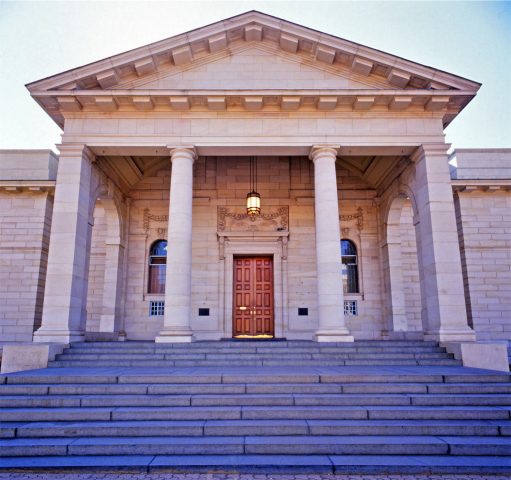
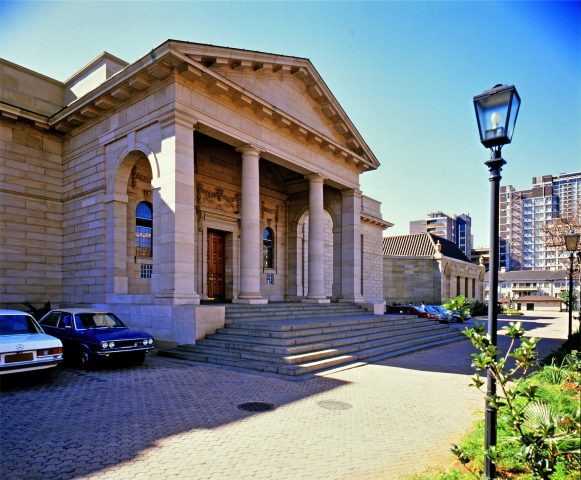
Art has always played a role in the park’s identity. In the 1980s, the Johannesburg Art Gallery moved into a striking Art Deco building that was once a market hall, anchoring the park as a cultural hub. The gallery’s collection spans South African art from the 19th century to the present, with works that range from traditional landscapes to bold contemporary pieces. Temporary exhibitions often tackle social and political themes, making the space a place for reflection as much as appreciation. For many locals, the gallery isn’t just a destination—it’s part of the park’s rhythm, a place where art and everyday life overlap.
While Joubert Park usually hums along at its own unhurried pace, it occasionally bursts into the spotlight. Every year, the park hosts events that draw crowds from across the city, like the street art festival that turns the gallery’s walls and surrounding buildings into a canvas for graffiti artists. There are also open-air concerts where jazz, traditional African music, and classical tunes spill across the lawns. On those days, the park feels like the heart of the city, alive with energy and creativity. Even those who normally rush past stop to listen, watch, or join in.
Unlike many tourist hotspots, Joubert Park isn’t polished or staged. It’s a place where the city’s imperfections are on full display—the worn paint on benches, the patches of bare earth where grass won’t grow, the occasional overgrown corner. But that’s part of its charm. It doesn’t try to be pristine; it’s a living, breathing part of Johannesburg, shaped by the people who use it. In the mornings, you might see groups practicing yoga on the grass. By afternoon, schoolchildren dart between the trees, and in the evenings, couples stroll along the lamplit paths. It’s a place where life unfolds without fanfare.
For anyone trying to understand Johannesburg, Joubert Park offers a quiet introduction. From here, it’s easy to explore other parts of the city—the Apartheid Museum, which delves into the country’s complex history, or Newtown, with its vibrant arts scene and nightlife. But even if you never leave the park, you’ll get a sense of the city’s pulse. It’s in the way people move, the languages spoken, the mix of old and new. The park doesn’t tell a single story; it holds many, layered over time.
In recent years, there’s been debate about the park’s future. Some argue it needs restoration, while others worry that too much change could erase what makes it special. For now, Joubert Park remains as it always has—a place where history lingers in the details, where art and life coexist, and where the city’s contradictions play out in the open. It’s not a place you visit to check off a list; it’s a place you come to because it feels real.