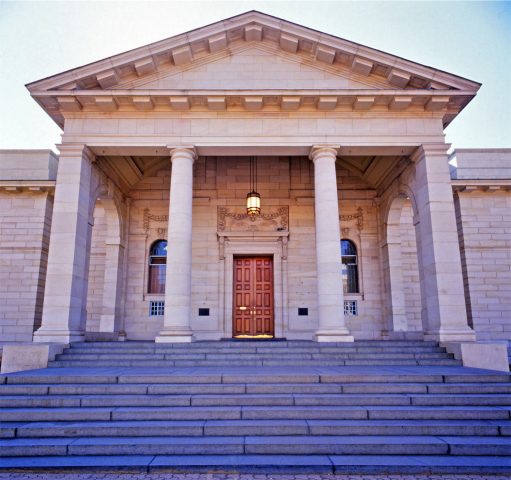
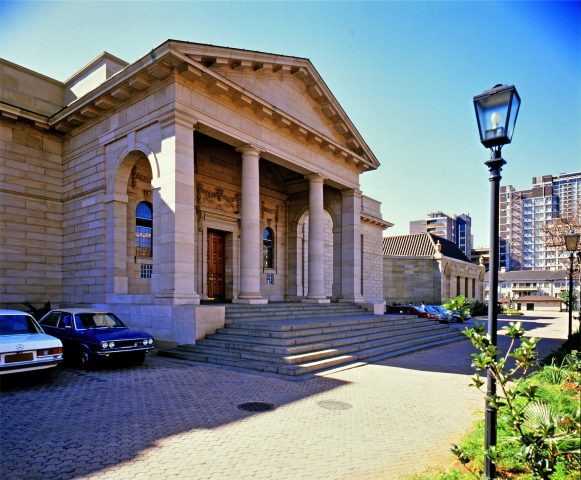
Johannesburg’s Central Library is one of those rare places that doesn’t just tell the city’s story—it embodies it. Tucked away in Joubert Park, a neighborhood often overlooked by visitors, the building has stood for over a century as a quiet witness to the city’s transformation. Constructed in the early 1900s, when Johannesburg was still finding its footing as an economic hub, the library was meant to symbolize progress and enlightenment. Today, it remains more than just a repository of books; it’s a living archive of the city’s shifting identity—from colonial ambitions to the struggle for equality and the complexities of modern South Africa.
The architecture itself is a study in contrasts. The neoclassical façade, with its grand columns and tall windows, echoes the European influences brought by early settlers. Yet step inside, and the atmosphere changes entirely. The high ceilings, original wooden shelves, and the soft rustle of pages create a sense of timelessness. There’s no rush here, no hum of the city outside—just the quiet rhythm of thought and the occasional murmur of readers lost in their own worlds. Some corners still hold old card catalogs, a nod to an era when finding information required patience and care.
The library has always been more than just a collection of books. During apartheid, it became one of the few public spaces where people of different backgrounds could gather, even if only unofficially. Access to knowledge was a privilege, but librarians worked to keep it as open as possible to those who sought learning. After the fall of the regime, the library evolved into a symbol of the new South Africa—a country grappling with its past while trying to build a future where education is accessible to all. Today, it hosts lectures, exhibitions, and workshops, but its core purpose remains unchanged: to bridge the gap between history and what comes next.
Its collection holds treasures that trace Johannesburg’s—and the nation’s—story. Rare editions include early newspapers from the late 1800s, when the gold rush was just beginning, as well as documents about mine workers, labor struggles, and the people who built the city from the ground up. Books in Afrikaans, English, Zulu, and other languages reflect the region’s cultural diversity. For researchers and curious visitors alike, it’s a chance to uncover layers of history often left out of guidebooks.
Yet the library isn’t stuck in the past. It engages with the present, serving as a platform for contemporary discussions. Writers’ talks, debates on social issues, and exhibitions by local artists keep it relevant. In recent years, digitization has expanded its reach—part of the collection is now available online, and computers are available for public use. This isn’t just about keeping up with trends; in a city where internet access isn’t universal, the library remains a vital resource for those who need information or a quiet place to study.
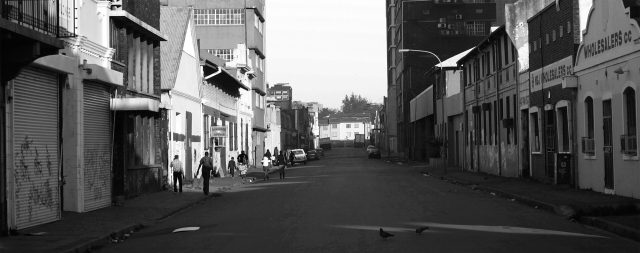
Joubert Park itself is far from the polished tourist districts of Johannesburg. There are no luxury hotels or souvenir shops here, just the raw, everyday life of the city—street markets, small cafés serving traditional food, and people going about their routines. The library fits seamlessly into this landscape, offering a place to pause and reflect. The park outside, a small green space in the urban sprawl, is where locals walk their dogs, families picnic, or simply sit on benches, taking a moment away from the noise.
Visiting the Central Library isn’t like ticking off a tourist attraction. There are no crowds, no guided tours, no scripted experiences. You can wander the shelves, pull out a book, and sit by a window watching the city move beyond the glass. Or flip through century-old newspapers, trying to imagine what life was like back then. Or step into a reading room where students cram for exams and retirees browse the latest magazines. The magic of the place lies in its openness—it doesn’t dictate what you should feel or see, but lets you discover something personal.
In an age where information is just a click away, libraries can seem like relics. But Johannesburg’s Central Library proves otherwise. It’s a reminder that knowledge isn’t just data—it’s part of human history, culture, and memory. Here, books aren’t just stored; they’re passed from hand to hand, from one generation to the next. And that, perhaps, is what makes it truly invaluable.