- Home
- South Africa
- Newtown
Newtown
South Africa · 2 places
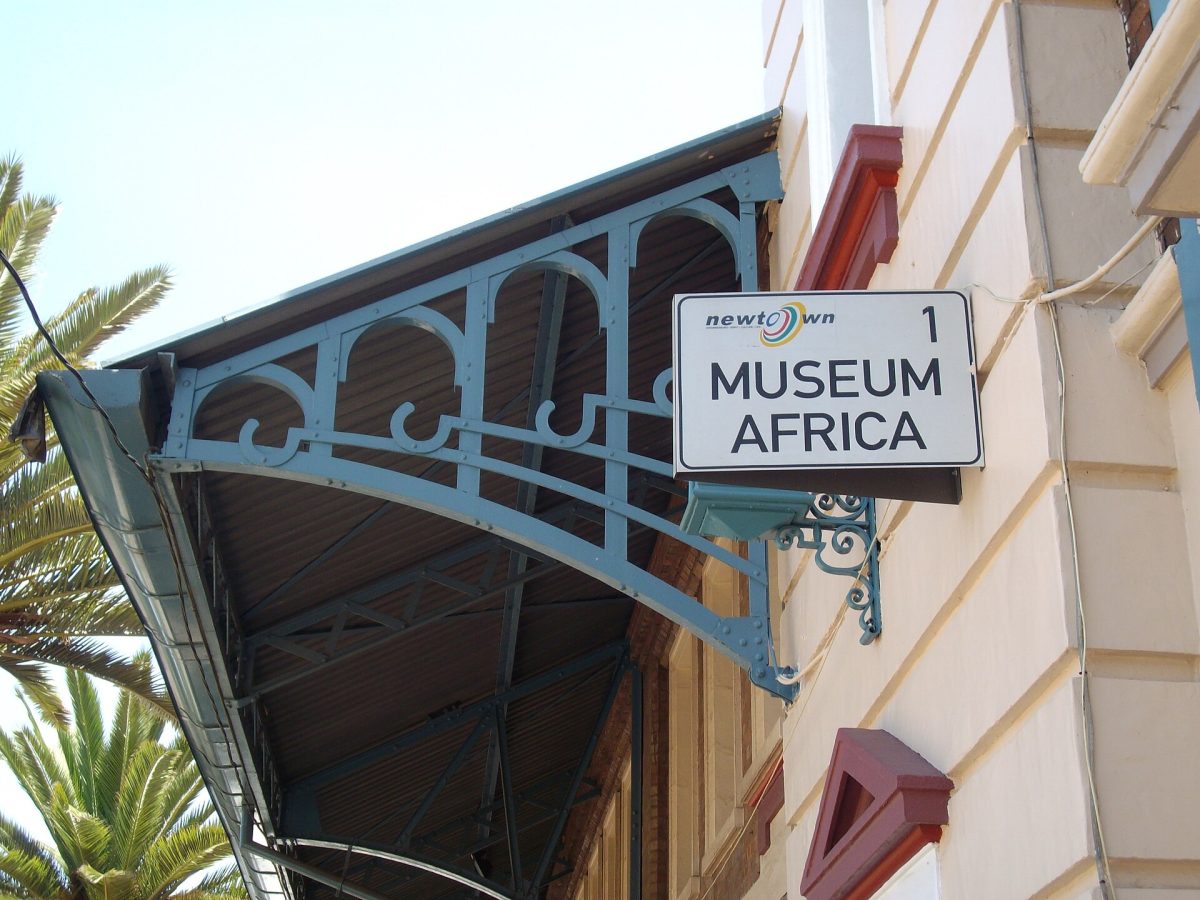
Photo: Thomas.macmillan (talk), CC BY 3.0
Newtown is where Johannesburg sheds its corporate skin and lets its soul breathe. Unlike the towering glass facades that dominate the city’s skyline, this neighbourhood moves to a slower rhythm—low-slung brick buildings, cobblestone streets, and an unhurried pulse that feels worlds away from the usual urban rush. It’s a place where South Africa reveals itself without filters: through jazz spilling from dimly lit clubs, walls alive with graffiti, museums that tell unvarnished stories, and people who gather here not out of obligation, but because they genuinely want to be part of something real.
Born in the late 1800s as an industrial hub of mills, warehouses, and railway yards, Newtown’s identity shifted in the 1970s when the city reimagined its abandoned spaces as a cultural heart. That’s when the Museum Africa opened—South Africa’s first institution dedicated to the continent’s history and heritage. Today, it remains a cornerstone of the neighbourhood, but it’s no longer alone. The African Music Centre, the Market Theatre, and contemporary art galleries have since joined the mix, each adding layers to Newtown’s story. Together, they create a space where the past and present don’t just coexist but feed off each other, shaping a vibe that’s as much about memory as it is about reinvention.
The real magic happens after dark, when the streets fill with music. Jazz isn’t just a genre here—it’s in the air, woven into the neighbourhood’s DNA. Venues like Bassline and The Orbit host everything from traditional African rhythms to bold new experiments by local artists. Sometimes, the music spills onto the sidewalks, blending with the scent of street food and the hum of conversation. In summer, festivals draw crowds from across the country, while winter brings intimate jam sessions in half-empty bars, where the line between audience and performer blurs. It’s raw, unpolished, and utterly alive.
Yet Newtown isn’t just a stage for artists. Beneath the creative energy, you can still feel the echoes of its industrial past. Old factory buildings have been repurposed into lofts, cafés, and studios, but traces of the neighbourhood’s working-class roots linger—rusted train tracks, leaning warehouses, faded signs of long-shuttered businesses. On weekends, the flea market becomes a treasure trove of vinyl records, handmade crafts, and vintage finds, each item carrying its own quiet history. It’s the kind of place where even the most ordinary objects feel like relics of something bigger.
The neighbourhood hasn’t always had it easy. In the 1990s, it fell into decline, with many buildings left to decay. But that’s when artists, musicians, and activists—those who couldn’t afford the glossier parts of the city—began reclaiming the space. They turned empty warehouses into studios, galleries, and community hubs, giving Newtown a second life. That spirit of reinvention still thrives today. The area is evolving, but it hasn’t lost what makes it unique: there’s no touristy sheen, no forced perfection. Instead, there’s a sense that every corner, every note, every conversation matters. Newtown doesn’t try to be anything other than itself—and that’s exactly why it feels so essential.
See & Do
All of them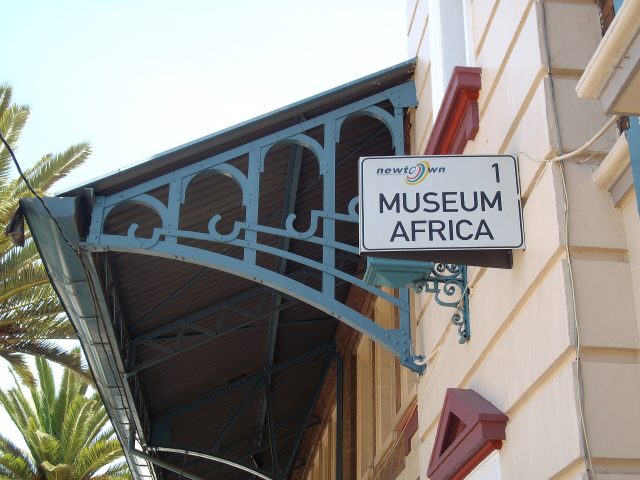
Places on the map
Marker colour follows the categoryClimate and weather
Detailed weather: Newtown- Average temperature
- 16 °C
- Precipitation per year
- 649 mm
Average air temperature
°C
20
20
19
16
13
10
10
14
18
19
19
19
Jan
Feb
Mar
Apr
May
Jun
Jul
Aug
Sep
Oct
Nov
Dec