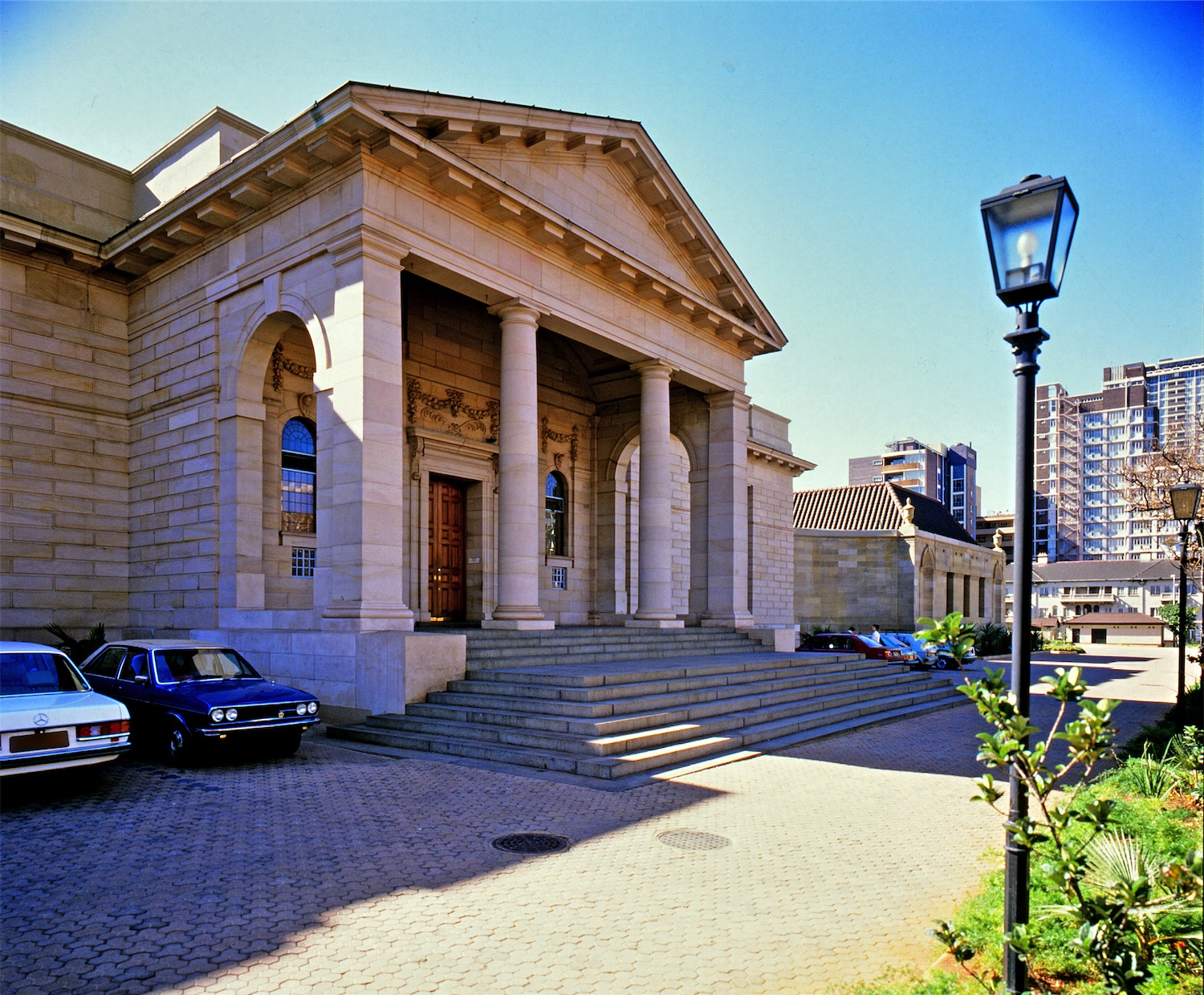
Johannesburg Art Gallery doesn’t announce itself with fanfare. Tucked away in Joubert Park, its facade blends into the city’s rhythm, almost as if it’s waiting to be discovered rather than demanding attention. Behind its quiet exterior lies one of Africa’s most significant collections of visual art. The gallery opened in 1910, when Johannesburg was shifting from a mining settlement into a city. Its creation was part of an effort by the city’s elite to establish a cultural landmark.
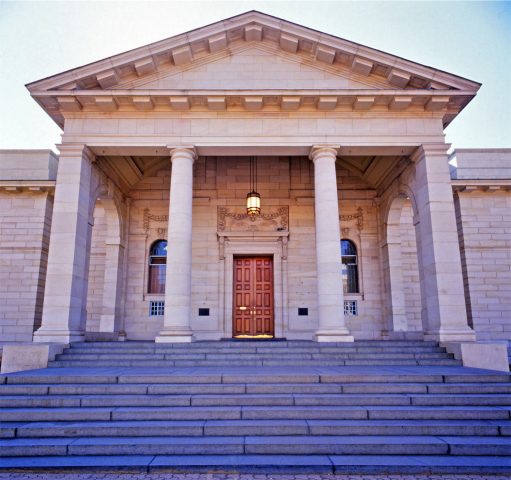
The building itself is a piece of history. Designed by British architect Edwin Lutyens, it blends neoclassical grandeur with local influences. The high ceilings, spacious halls, and sturdy columns give the space a sense of dignity. The architecture was planned to let light and space serve the art. Over the years, the gallery has expanded, but the original character remains—elegant yet unpretentious.
The collection spans centuries and continents. There are works by 17th-century Dutch and Flemish masters, 18th- and 19th-century British painters, and an extensive selection of African art. The gallery holds pieces by South African artists like Irma Stern, Gerard Sekoto, and William Kentridge. Their works reflect the country’s history—from colonial times to the present day. The selection reveals how tastes, themes, and techniques have evolved.
Johannesburg Art Gallery refuses to remain stuck in the past. While its permanent collection offers a deep dive into history, it also hosts rotating exhibitions. These explore contemporary art, photography, sculpture, and multimedia installations. Some exhibitions spark debate, others admiration, but all invite reflection. Through collaborations with local artists and international institutions, the gallery stays dynamic.
For many residents, the gallery is part of daily life. People come to see the art, to experience the quiet, to pause and think. You’ll find students sketching in the halls, school groups on guided tours, or individuals taking a moment away from the city. In summer, the inner courtyard hosts concerts and lectures. In winter, it brings small craft fairs. The gallery is open to anyone willing to engage with it.
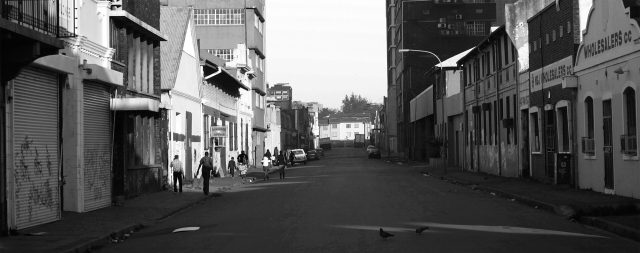
Joubert Park, where the gallery is located, has a layered history. Once a prestigious area, it has changed over the decades. The gallery has become one of the anchors that help the area retain its cultural identity. It offers a pocket of stability and beauty in a city that’s always evolving.
A visit here is as much about Johannesburg’s story as it is about art. The collection reflects the city’s growth, the ideas that shaped its people, and the values that mattered in different eras. It shows social shifts—the struggle for rights, the search for identity, the tension between tradition and modernity. The gallery is a mirror of South Africa’s complexities.
Don’t rush. The halls invite you to linger, moving from one piece to the next, reading the descriptions, noticing the details. Sit on a bench in a quiet corner. Step back to see a painting from a distance—it changes how you perceive it. The gallery doesn’t dictate how to feel about the art. It offers a space for contemplation, and everyone finds something different in it. For some, it’s the discovery of new artists. For others, a reunion with familiar works. For many, simply a quiet hour away from the city.