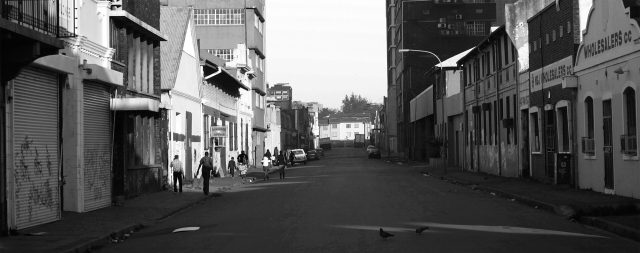
The Johannesburg Art Gallery is one of those places that reveals itself slowly. Tucked away in Joubert Park, near the heart of the city, it sits where the hum of the streets fades into the quiet rustle of old trees and the solid presence of stone walls. There are no flashy signs or crowds of tourists here—just a space where art exists not as a spectacle, but as part of the city’s rhythm. You can walk in without any plan, spend an hour or two lost in thought, and leave feeling like you’ve touched something real.
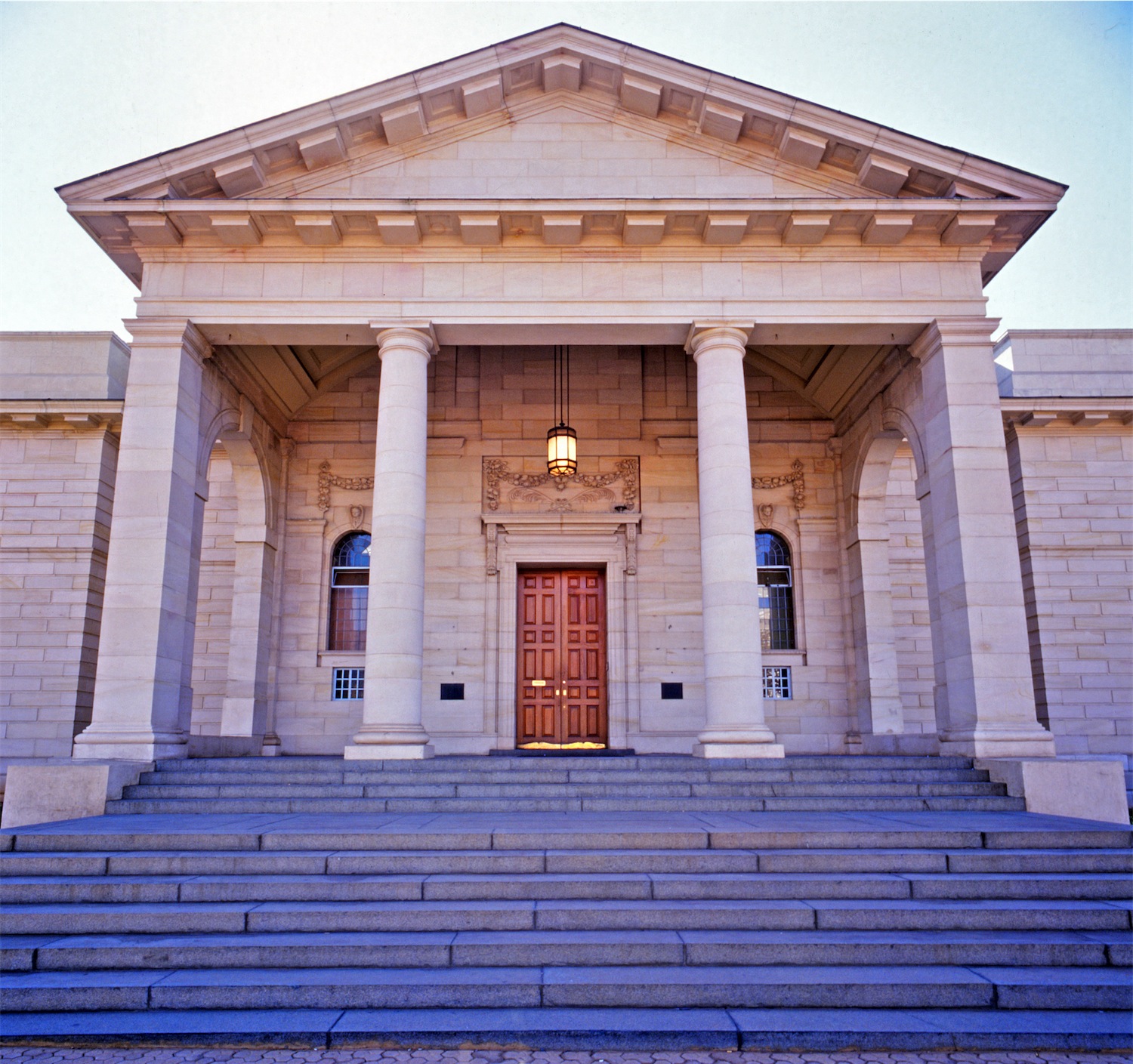
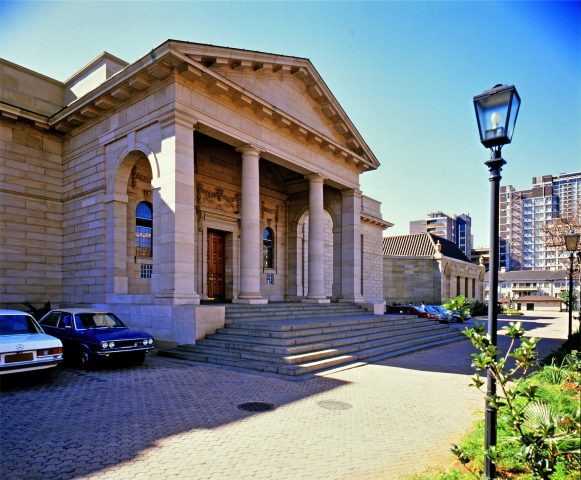
The building itself is a work of art. Designed in the early 20th century by Edwin Lutyens, the same architect who shaped New Delhi, it’s a stark contrast to his grand imperial projects. Here, he created something grounded and almost fortress-like: a low-slung structure of red brick, with heavy arches and soaring ceilings. Inside, the space feels like a European museum, but with an unmistakably African quality—softer light, longer shadows, and an air that carries the weight of the city’s history. When it opened in 1910, it became one of Johannesburg’s most important cultural landmarks, and it still holds that role today.
The gallery’s collection tells a story of art in miniature. You’ll find everything from Old Masters to contemporary African artists, though don’t expect blockbuster names at every turn. This isn’t a place trying to compete with the Louvre or the Hermitage. Instead, it focuses on what matters to South Africa. There are colonial landscapes, 19th-century portraits, and works from the apartheid era and beyond, each piece reflecting a different chapter of the country’s past. Standout names include Gerard Sekoto, one of the first Black South African artists to gain recognition, and William Kentridge, whose work has resonated far beyond the continent.
Beyond paintings and sculptures, the gallery holds a rich collection of prints, rare engravings, and photographs. The photography section is particularly compelling, especially the early 20th-century images that capture Johannesburg’s transformation from a fledgling mining town into an industrial giant. You can see the first skyscrapers rising beside European-style neighborhoods, while worker settlements spring up nearby. These aren’t just historical snapshots—they’re fragments of a city in the making, offering a glimpse into how Johannesburg became what it is today.
In recent years, the gallery has embraced contemporary art more boldly. It now hosts exhibitions by young African artists experimenting with new media, installations, and performance. Some shows spark debate—too radical for some, too cautious for others—but that’s part of the point. The gallery isn’t here to please everyone; it’s a platform for voices shaping Africa’s artistic language today. Occasionally, you’ll see works here that later appear at the Venice Biennale or in London galleries, but in Johannesburg, they feel raw and unfiltered, as if they’re still finding their place in the world.
Visiting the gallery isn’t just about the art—it’s about the atmosphere. Joubert Park, one of the city’s oldest, wraps around the building like a green embrace. On any given day, you’ll find people lounging on benches with books, playing chess, or letting their kids run along the paths. On weekends, the park comes alive with street musicians, food vendors selling local snacks, and small markets. The gallery doesn’t stand apart from this scene; it’s woven into it, a place where you can duck in from the heat, take a moment to think, or just watch the city go by.
This isn’t a gallery that draws crowds of tourists. There are no long lines, overpriced cafes, or souvenir shops pushing trinkets. That’s exactly why it feels special. It’s a space for those who want to experience art without the noise—no guided tours, no forced narratives, just the freedom to wander, pause where something catches your eye, or sit on a bench in the park and soak in the quiet.
The gallery has weathered many eras: the height of colonial rule, the dark years of apartheid when art became a form of resistance, and the turbulent 1990s as the country redefined itself. Today, it continues to evolve, just like Johannesburg. The building shows its age—peeling paint here, a worn floor there—but that only adds to its charm. It feels lived-in, authentic, a place where art isn’t preserved under glass but exists alongside the people who walk its halls. Here, creativity isn’t frozen in time; it breathes, shifts, and absorbs the stories of those who pass through.