- Home
- South Africa
- Joubert Park
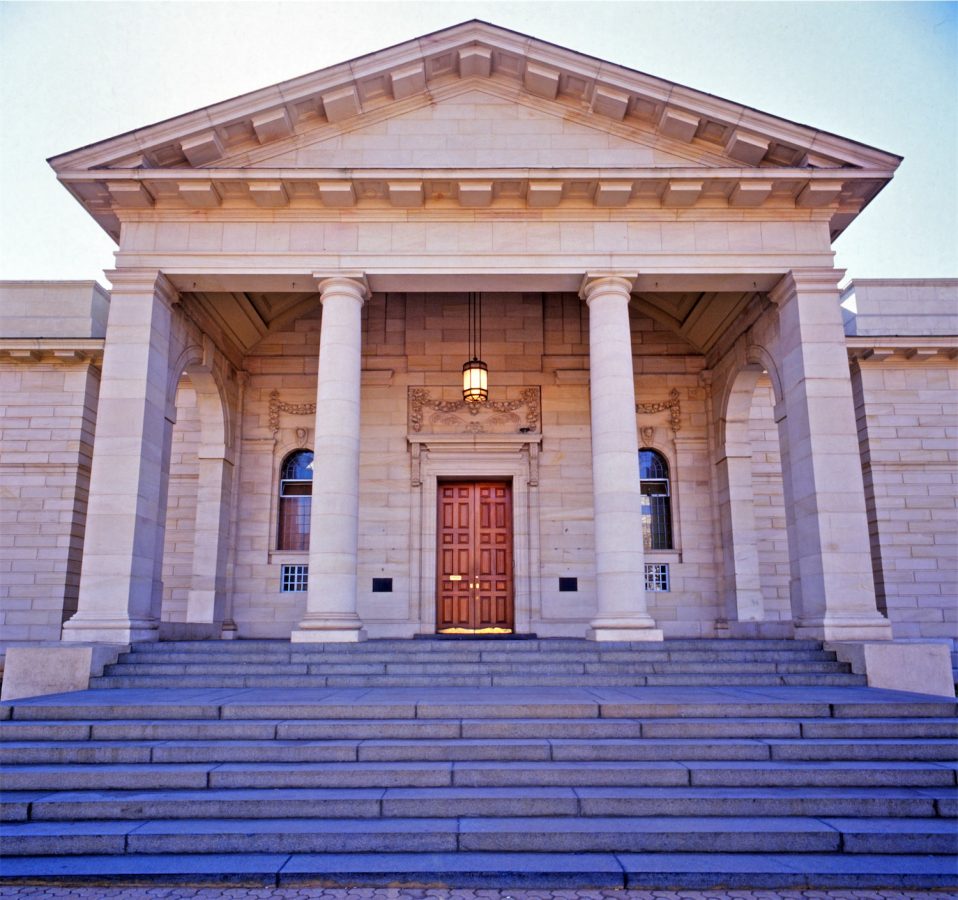
Joubert Park
South Africa · 4 places
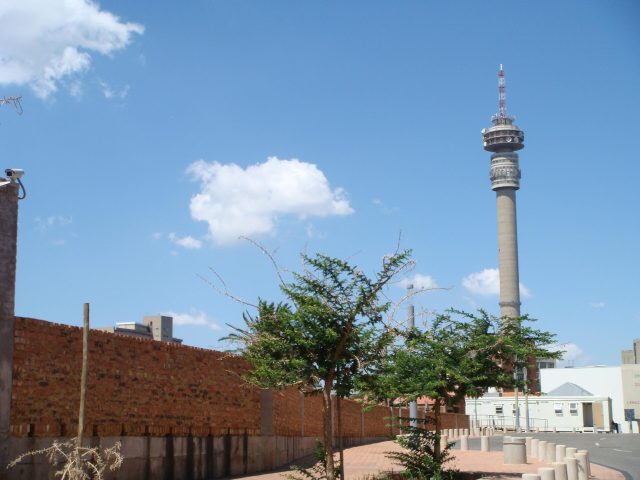
Photo: Janek Szymanowski, CC BY-SA 3.0
Johannesburg doesn’t ease you into itself. It’s vast, loud, and in places, unpredictable—but that’s exactly what makes it feel alive. There’s no polished tourist veneer here, no carefully curated charm. Instead, there’s an energy you won’t find in cities with flawless facades. This is Africa without filters: the contrasts hit you immediately, and history breathes through every block.
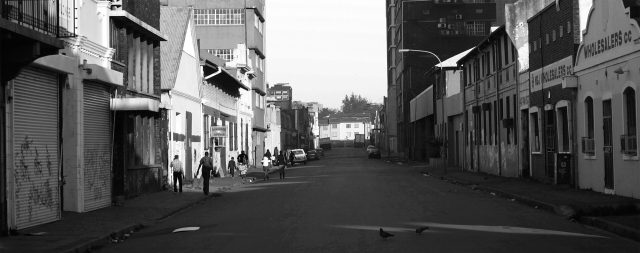
Joubert Park is one of those places where that history feels especially tangible. Tucked in the heart of the city, just a stone’s throw from the business district, it moves to its own rhythm. No glass skyscrapers here, just old brick buildings that remember the gold rush days, streets that echo with the footsteps of fortune-seekers, laborers, and dreamers. In the early 1900s, this was the city’s beating heart, where people from all walks of life converged. Today, it still carries that spirit, though quieter now, more worn in.
The park itself is the neighborhood’s centerpiece, a place where the city’s stories unfold. On weekends, families spread out picnics under the shade of ancient trees, kids kick soccer balls across the grass, and old men play chess on benches. Weekdays bring a different energy—street musicians tuning their instruments, artists selling paintings propped against the fence, people stealing a moment of calm in the middle of the urban rush. It’s not pristine. Some corners show their age, but that’s part of the charm. The park doesn’t try to be perfect. It just is, like Johannesburg itself.
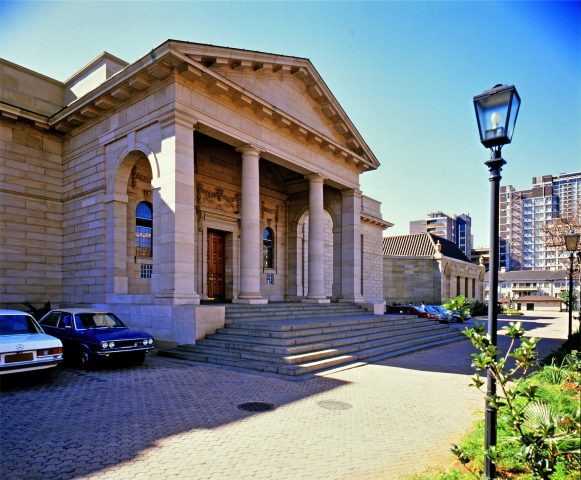
This is also where the city’s cultural pulse beats strongest. Right next to the park stands the Johannesburg Art Gallery, one of the largest on the continent. Inside, you’ll find everything from classic African paintings to contemporary installations that challenge and provoke. The gallery has long been a space for conversations about art, society, and the future of South Africa. Exhibitions often tackle the legacy of apartheid, human rights, and the voices shaping modern Africa. If you want to understand the country beyond its landscapes—through the people, their ideas, and their creativity—this is where to start.
A short walk away, the Constitutional Court stands as a symbol of the nation’s transformation. Built on the site of an old prison where political prisoners, including Nelson Mandela, were once held, it’s now a place where justice is served. The building itself is a monument to democracy, filled with artworks that explore freedom and equality. Inside, exhibits trace the struggle against racism and oppression. Visiting isn’t just a history lesson; it’s a chance to touch the forces that shaped modern South Africa.
Joubert Park isn’t for those seeking solitude or luxury. It’s raw, unfiltered, alive—the kind of place where the streets hum with conversation, the air smells of street food, and the city feels like it’s breathing. It doesn’t try to impress. That’s why it’s so compelling. If you want to see Johannesburg beyond the postcards, this is where to begin. There are no easy answers here, just questions that linger and stories that stay with you.
See & Do
4 places
Places on the map
Marker colour follows the categoryClimate and weather
Detailed weather: Joubert Park- Average temperature
- 17 °C
- Precipitation per year
- 634 mm
Average air temperature
°C
20
20
19
16
14
11
10
14
18
19
19
19
Jan
Feb
Mar
Apr
May
Jun
Jul
Aug
Sep
Oct
Nov
Dec


