Caesarea is a place where the past feels almost tangible, where the weight of history lingers in the salt air and the sun-bleached stones. Perched on the Mediterranean coast, this ancient city was once a jewel of the Roman Empire, a place where biblical narratives and imperial ambition intersected. Among its many ruins, the hippodrome stands out—not just as a relic of chariot races, but as a testament to an era when Caesarea was a thriving hub of power, culture, and spectacle.
Built in the 1st century AD under the orders of King Herod the Great, the hippodrome was part of his grand vision to transform Caesarea into a city that would rival Rome itself. Herod was a ruler known for his extravagant building projects, and the hippodrome was no exception. It wasn’t merely a venue for entertainment; it was a statement of authority, a place where the might of the empire could be displayed to both locals and visitors. Here, chariot races and public spectacles were held not just for amusement, but to reinforce loyalty and showcase the grandeur of Roman rule.
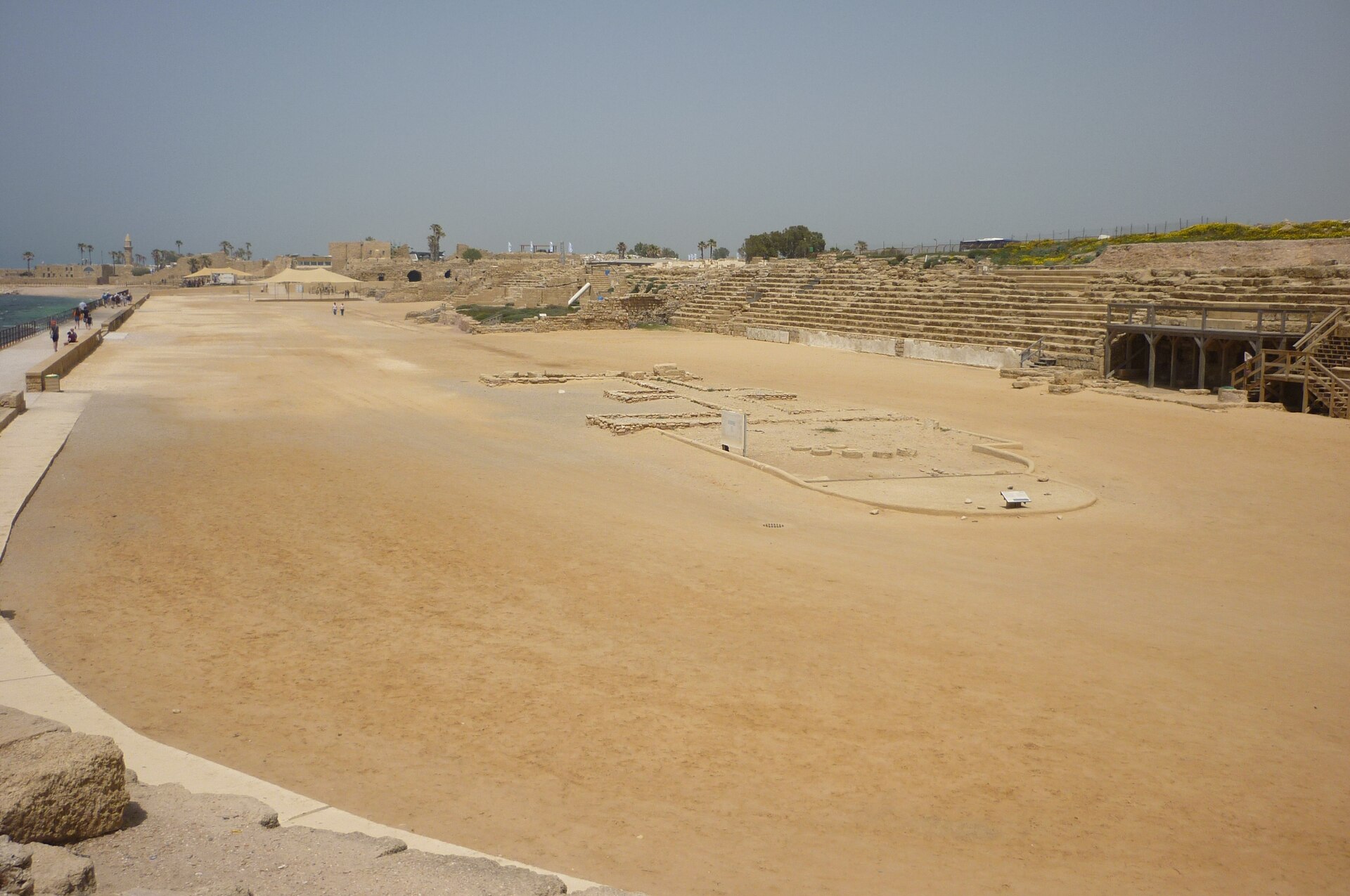
The structure itself was designed in the classic Roman style—a long, oval arena stretching roughly 300 meters in length and 70 meters in width. The scale was impressive, capable of accommodating tens of thousands of spectators who would gather on tiered stone seating to watch the events unfold. Today, only fragments of those seats remain, partially restored by archaeologists, but even in their worn state, they offer a glimpse of the original grandeur. The tiers rose in layers, creating an amphitheater-like effect where every spectator had a clear view of the action below.
Chariot racing was the main attraction at the hippodrome, a sport that captivated the ancient world. In Caesarea, these races took on added significance. The city was a melting pot of cultures, religions, and political influences, and the races became a way to demonstrate allegiance to Rome. Teams of horses thundered around the track, their chariots kicking up clouds of dust as spectators cheered for their favorites. Victory in these races could bring fame not just to the charioteer, but to the patrons who sponsored them, often wealthy or influential figures seeking to curry favor with the crowd.
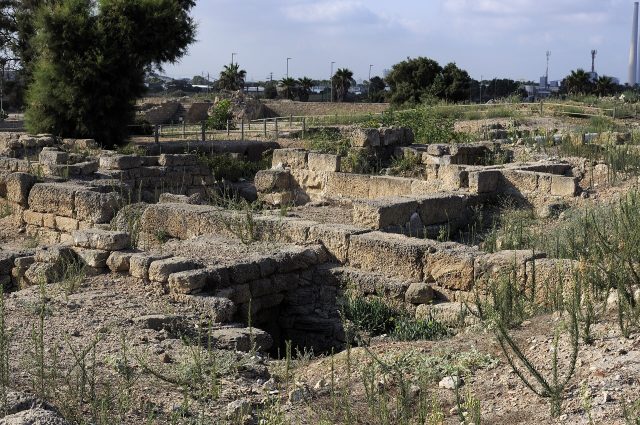
Over time, the hippodrome’s purpose faded. After the fall of the Roman Empire, Caesarea declined, and the once-magnificent structure fell into disrepair. Earthquakes and invasions took their toll, reducing the arena to little more than scattered stones. Yet even in ruin, the hippodrome remains a powerful symbol of the city’s past. It serves as a reminder of a time when Caesarea was a bustling metropolis, a crossroads where different peoples and traditions converged.
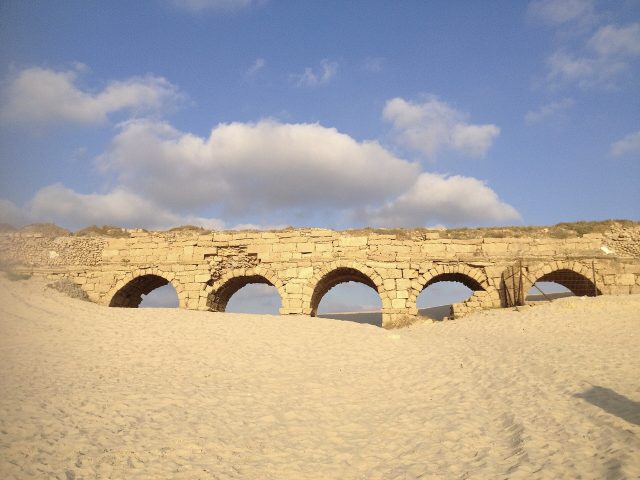
Walking along the remnants of the seating today, it’s easy to imagine the scene as it once was—the roar of the crowd, the clatter of hooves, the tension of the races. Archaeological work continues, uncovering new details about life in ancient Caesarea with each passing season. The hippodrome is just one part of a larger archaeological site, surrounded by other ruins that tell the story of the city’s rise and fall. Nearby, the ancient theater still hosts performances, its stone seats echoing with music just as they once did with the voices of Roman audiences. The aqueduct, stretching along the coast, stands as a testament to the engineering prowess of the time, while the remnants of the harbor hint at the city’s former role as a vital trade hub.
Caesarea’s hippodrome is more than just an open-air museum. It’s a place where history feels alive, where the past isn’t just remembered but experienced. It speaks to the rise and fall of empires, the shifting of borders, and the enduring nature of human ambition. Here, by the sea, time seems to slow, allowing visitors to reflect on the passage of centuries and the legacies we leave behind. That’s why the site draws not only tourists but also locals, for whom it represents a connection to their heritage.
A visit to the hippodrome is best combined with a walk through Caesarea National Park. The ruins are spread across a scenic landscape, where the Mediterranean breeze carries the scent of salt and wild herbs. Beyond the hippodrome, the ancient theater offers a glimpse into the city’s cultural life, while the aqueduct and harbor provide context for its economic and strategic importance. Together, these sites create a sense of immersion in history, where every stone has a story to tell.
Caesarea itself is a city that defies easy categorization. It’s a place where layers of history overlap, where the remnants of one era give way to the next. The hippodrome, like the rest of the ruins, serves as a reminder that history isn’t always a straight line. It loops back on itself, leaving behind fragments that invite us to piece together the past. Perhaps that’s why people keep coming here—to stand in the shadow of ancient stones and wonder about the lives that once filled this place, about the empires that rose and fell, and about the echoes of history that still resonate today.