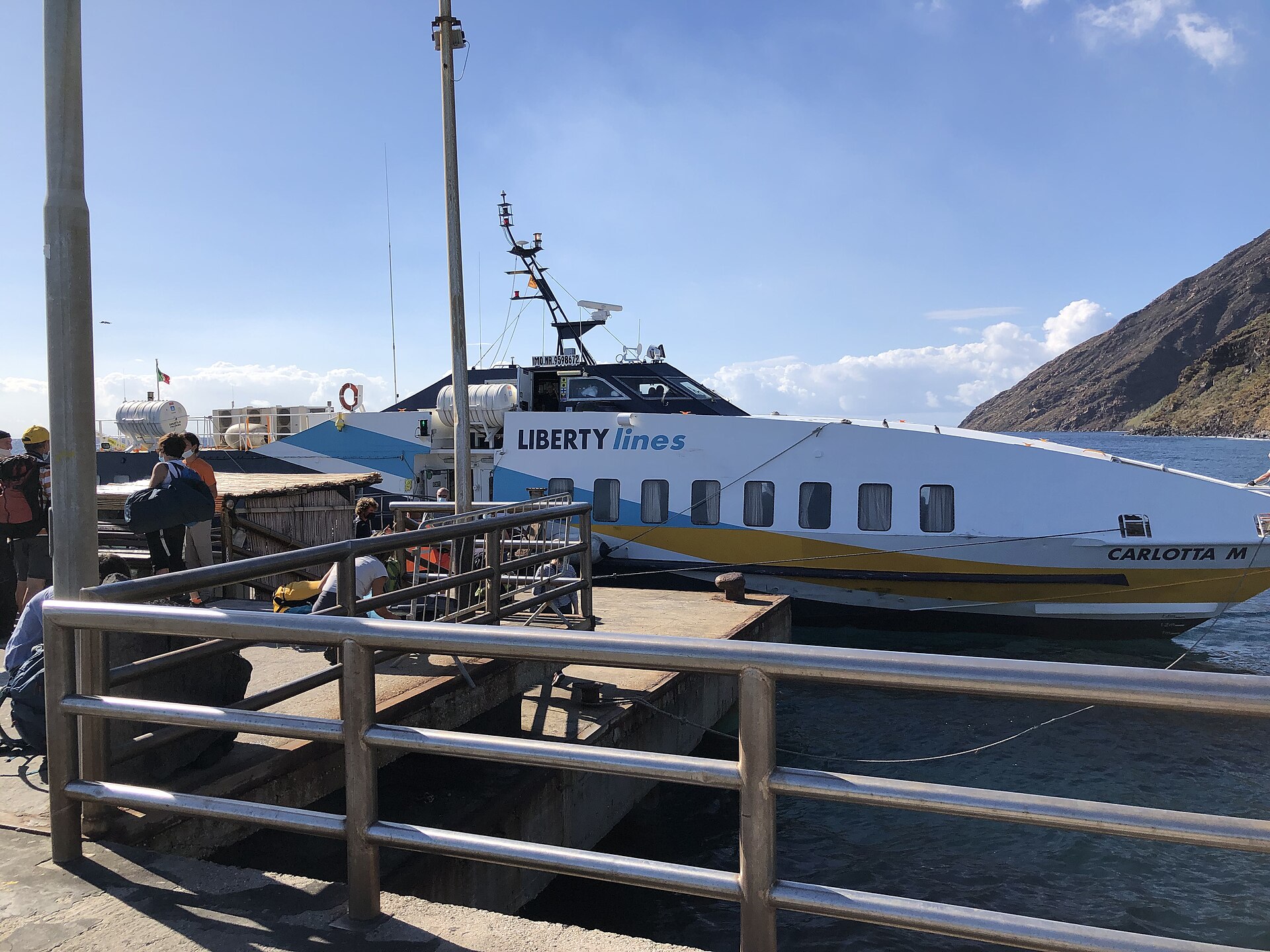
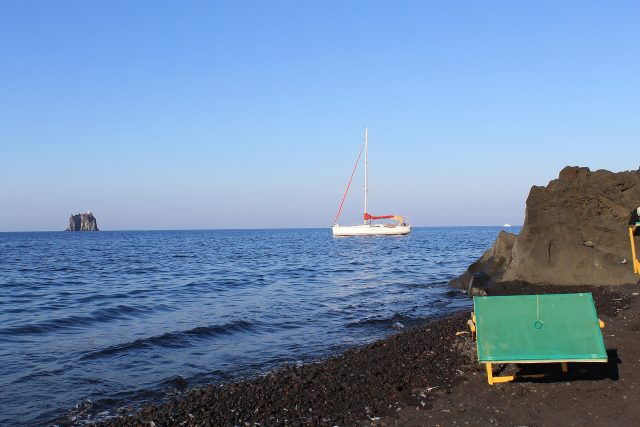
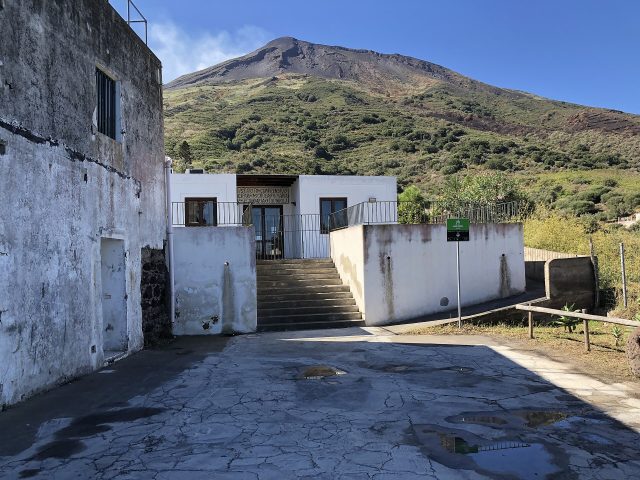
Stromboli’s harbor is where the island meets the sea, a place where time moves to the rhythm of the tides rather than the clock. Unlike the crowded waterfronts of the mainland, this is a quiet corner of the world, even in peak season. The stone jetties, worn smooth by decades of salt and wind, slope gently into the water, where fishing boats and small yachts bob at their moorings. The air carries the scent of brine, seaweed, and the morning’s catch, laid out on wooden tables by fishermen who have worked these waters for generations.
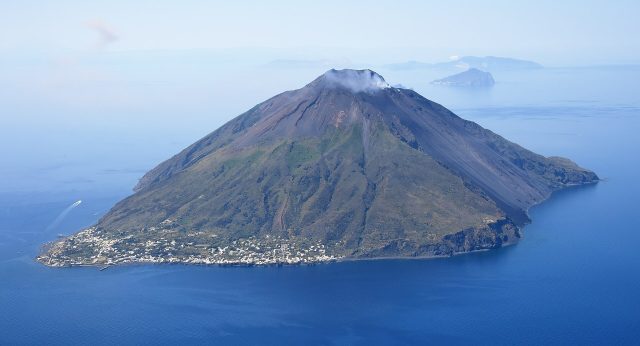
The harbor sits at the foot of Stromboli’s namesake volcano, a presence that looms over the island like a sleeping giant. Every so often, a low rumble or a curl of smoke from the crater serves as a reminder that this is no ordinary place. The sea here is just as temperamental—calm and glassy one moment, dark and restless the next. The locals take it in stride, going about their business even when waves crash over the docks. It’s this unpredictability that gives the harbor its character, a quiet defiance in the face of nature’s whims.
The buildings around the harbor are simple and unassuming, built for function rather than beauty. Low-slung houses with flat roofs, painted white or soft pastels to deflect the sun, line the waterfront. Many date back to the early 20th century, when fishing and trade with the other Aeolian Islands were the island’s lifeblood. Some have been converted into cafés or guesthouses, but even these retain a modest charm, with no neon signs or flashy decor to disrupt the view. Everything here serves a purpose, because the harbor is, first and foremost, a working place.
Mornings begin early. Before dawn, fishermen set out to sea, while those on shore mend nets and prepare their boats. By eight, the docks are alive with activity—women selling fresh fish, vegetables, and fruit brought over from nearby islands, and visitors stepping off the ferry from Naples or Milazzo, taking in the scene with curiosity. There’s no rush, but neither is there boredom. One day, a boat might return with an unusual catch; the next, someone will recount the story of the volcano’s last midnight eruption. A sailboat might appear on the horizon, bound for Sicily, or a local will strike up a conversation with a traveler, offering a taste of the day’s haul.
The harbor isn’t just a place to dock boats—it’s the heart of the island’s social life. Festivals honoring the patron saint of fishermen, celebrations marking the end of the fishing season, and spontaneous gatherings after a good catch all happen here. On those nights, bonfires light up the docks, grilled fish is passed around, and old Sicilian songs drift through the air. Even short-term visitors quickly find themselves swept up in the rhythm, feeling like part of the island’s tight-knit community.
As evening falls, the harbor transforms. The sun dips behind the volcano, painting the sky in shades of orange and pink, while the sea turns into a mirror, reflecting the glow of lanterns and house lights. Boats return from the day’s work, their hulls creaking softly against the dock. In the cafés, candles flicker, and glasses of local wine are poured. There are no nightclubs here, just quiet conversations and the sound of waves lapping against the rocks. Sometimes, a local will invite visitors out for a nighttime fishing trip or a boat ride around the island to see the volcano from the water. In those moments, it’s easy to forget the outside world entirely.
Stromboli is an island of contrasts, and the harbor is where they all come together. The raw beauty of the volcanic landscape meets the gentle curve of the bay; the hard work of fishermen blends with the easy pace of travelers; ancient traditions coexist with the present day. The harbor isn’t just a spot on a map—it’s a living thing, breathing in time with the sea and the mountain. It doesn’t try to be anything more than what it is, and that’s what makes it special. Here, you realize that the real Italy isn’t just in Rome or Venice, but in places like this, where life moves to its own rhythm and people live in step with the natural world.