Figura Square isn’t just another town square—it’s where the everyday rhythm of Maltese life intersects with the quiet echoes of history. Tucked away in the heart of Figura, a small town that most visitors overlook, this space feels far removed from the tourist crowds of Valletta or Mdina. There are no grand monuments here, no souvenir stalls, no guided tours rushing through. Instead, the square hums with the unhurried pace of local life: children playing, church bells ringing in the distance, and the murmur of conversations drifting from café tables. It’s the kind of place where time seems to slow down, where the weight of the past lingers in the warm limestone facades and the stories whispered between generations.
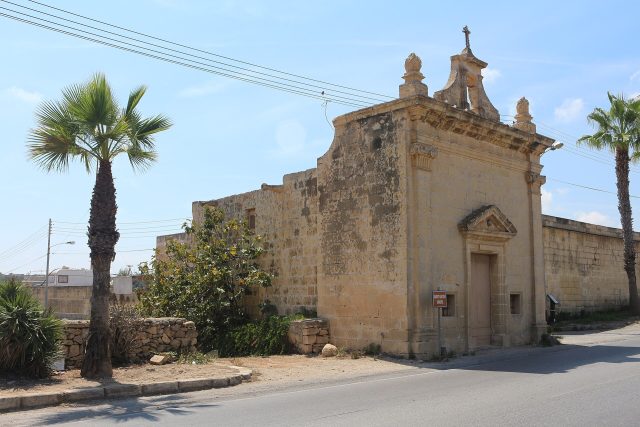
The buildings around the square are classic Maltese—low, sturdy structures built from the island’s golden-hued limestone, their wooden balconies painted in faded shades of blue, green, or ochre. Many date back to the 18th and 19th centuries, when Figura was little more than a cluster of farmhouses. The architecture is simple but striking, with thick walls that glow in the sunlight and intricately carved balconies that hint at the craftsmanship of another era. Even the door knockers, often shaped like lions’ heads, carry a sense of tradition. Walking here feels like stepping into a living postcard, one that hasn’t been polished for tourists.
At the center of the square stands a modest war memorial, a stone cross surrounded by fresh flowers. Malta endured heavy bombing during World War II, and Figura, like many towns, lost residents to the conflict. The memorial isn’t grand, but it’s deeply personal—a reminder of lives cut short, of families who never returned. Older locals often gather nearby, sitting on benches in the shade of trees, sharing stories or simply watching the world go by. For them, the war isn’t just history; it’s part of the fabric of their community, something that still shapes the way they see the world.
Dominating the square is the Church of St. Cajetan, its white facade and dome a familiar landmark in the town. Built in the mid-20th century, the church reflects Figura’s transition from a rural village to a modern suburb. Inside, the space is warm and unpretentious, with frescoes and statues that feel more intimate than the ornate interiors of Valletta’s cathedrals. On Sundays, the square fills with parishioners, their voices rising in hymns, while the scent of traditional Maltese sweets—like *qagħaq tal-għasel*—drifts from stalls set up for the occasion. The church isn’t just a place of worship; it’s the heart of the community, where births, weddings, and funerals mark the passage of time.
What makes Figura Square special is its lack of spectacle. There are no ancient ruins here, no famous landmarks, no Instagram-worthy backdrops. Instead, the square offers something rarer: a glimpse into the everyday life of Malta beyond the guidebooks. In the mornings, small shops open their doors, selling fresh bread, local cheeses, and seasonal vegetables. By evening, families gather at café terraces, sipping coffee and catching up on the day’s news. In summer, the square might host impromptu concerts or festivals celebrating local saints, while in winter, strings of lights transform it into a cozy refuge from the wind. It’s a place where life unfolds at its own pace, unhurried and unscripted.
For travelers who want to experience Malta as more than just a sun-and-sea destination, Figura Square is a good starting point. From here, you can wander the town’s narrow streets, where every corner reveals something new—a crumbling farmhouse, a hidden chapel, or a modern apartment building that somehow fits seamlessly into the old-world charm. Nearby, the Tarxien Temples offer a glimpse into Malta’s prehistoric past, but even without venturing far, the square itself holds small treasures: the intricate carvings on doorways, the worn stone benches where generations have rested, the way the light catches the limestone at dusk.
Figura isn’t a town that demands attention. It doesn’t have the dramatic cliffs of Gozo or the baroque grandeur of Valletta, and that’s precisely why it feels so authentic. There are no tour buses idling at the curb, no vendors hawking trinkets, no crowds jostling for the best photo. Instead, there’s a quiet sense of belonging, a feeling that you’ve stumbled upon a place where life is lived, not performed. The square doesn’t need to be loud or flashy to leave an impression. Sometimes, the most memorable moments come from simply sitting on a bench, watching the day unfold, and realizing that the best way to understand a place isn’t through its monuments, but through the small, ordinary moments that make it real.