Kamyaran exists quietly, away from Iran’s more famous destinations. There are no grand mosques or crowded bazaars here. Instead, the town offers stillness, an unhurried rhythm, and the feeling of stepping into a place untouched by outsiders.
The landscape around Kamyaran is framed by low mountains and fertile valleys where wheat, grapes, and pomegranates grow. The air carries the scent of earth and ripening fruit, especially in the late afternoon when the heat eases. Life here revolves around agriculture and small crafts, work that has sustained communities for generations. The streets come alive in the evening with neighbors gathering, children playing, and the call to prayer drifting from a nearby mosque.
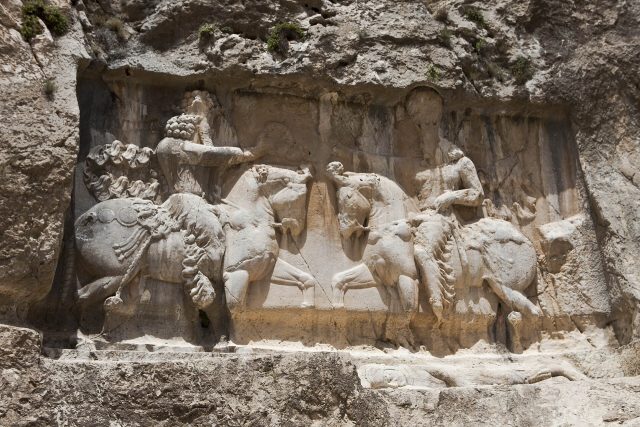
History in Kamyaran is subtle. The region was once part of ancient Media, and traces of settlements from the first millennium BCE remain in the surrounding hills. The town appears in records later, a modest stop along medieval trade routes. Unlike many Iranian cities shaped by conquests, Kamyaran has remained largely unchanged. Its old quarter, with narrow lanes and clay-brick houses, feels like a living record of everyday life from centuries past.
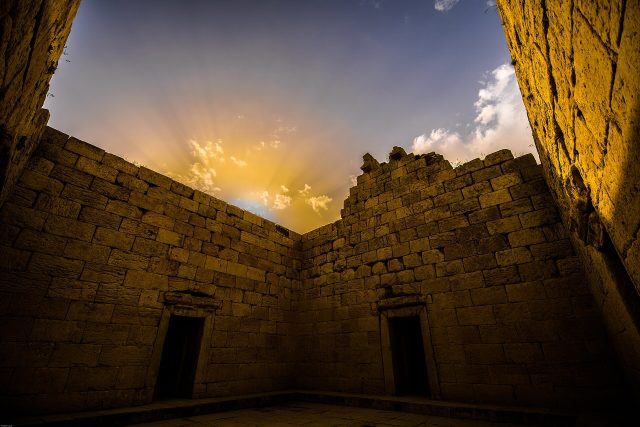
The architecture here is simple. Houses are built from local stone and mud, their flat roofs designed to catch winter sun and provide summer shade. Small courtyards offer private retreats, often shaded by grapevines or fig trees. The mosques are modest but detailed—some feature carved mihrabs, others preserve faded tilework or wooden ceilings with floral motifs. An old caravanserai, partly in ruins, stands with arched doorways and weathered walls, hinting at a time when merchants rested here.
What makes Kamyaran special is its people. The locals are warm and curious. If you wander through the town, you might be invited into a home for tea or offered freshly picked mulberries. There are no hotels with polished service. Instead, travelers stay in family-run guesthouses, where the line between host and guest blurs.
Many here speak Luri or Kurdish, but Persian is understood by all. A few words in the local dialect can lead to long conversations.
Beyond the town, the countryside holds quiet attractions. Ancient mounds, called *tepe*, dot the landscape—remnants of settlements that thrived thousands of years ago. Archaeologists have found Bronze Age pottery and tools here. Nearby hot springs draw visitors from larger cities. The water is said to have healing properties, though the facilities are basic. The real draw is the peace, the way steam rises into cool mountain air, and the chance to sit undisturbed.
Kamyaran is not for those seeking spectacle. There are no luxury resorts or fine-dining restaurants. What it offers is a glimpse of Iran as it once was—before mass tourism, before modern life’s rush. The town moves at its own pace, indifferent to outsiders’ schedules. If you come here, you’ll need to slow down. The reward is quiet discovery, the feeling of finding a place that has chosen to remain itself.
Traveling in Kamyaran is not like visiting a museum. There are no guided tours or neatly packaged histories. The streets are where people live, work, and raise families. This can feel disorienting at first—there is no checklist of sights. But that is its strength. Kamyaran doesn’t perform for visitors; it invites them to step into its rhythm.
If you come, take your time. Walk the narrow lanes without a map. Stop in small shops selling spices, dried fruits, and handwoven textiles. Sit in a *chai-khaneh* with locals, listening to their stories. You might not leave with striking images. But you’ll carry something else—the quiet charm of a place where time moves differently, where life feels simpler, and where the best moments happen unexpectedly.