
Kaemiyae
Iran · 4 places
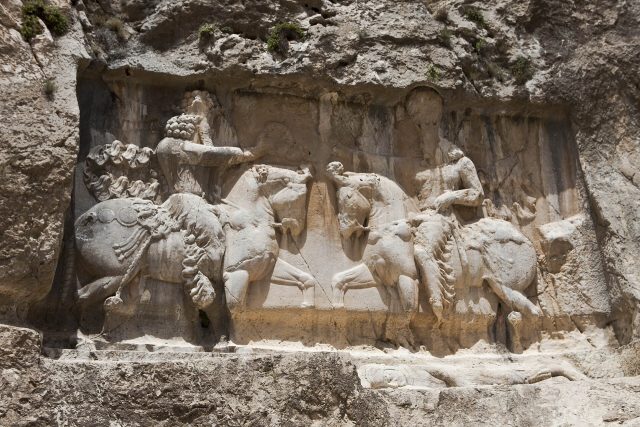
Photo: Behnam9395, CC0
Kaeimiyeh is one of those rare places that feels untouched by the rush of the modern world. Tucked away in southwestern Iran, far from the well-trodden paths of Tehran or Isfahan, it exists quietly, as if preserving the essence of old Persia in its narrow alleys and sun-baked walls. There are no crowds here, no tourist traps, just the slow, unhurried rhythm of daily life. The surrounding hills cradle the town like an embrace, their slopes glowing amber at dusk, when the last light softens the clay rooftops into something almost dreamlike.
History isn’t just something you read about in Kaeimiyeh—it’s something you walk through. The town’s heart is its ancient fortress, its weathered stones still standing after centuries of trade and conquest. Once a stop on the Silk Road, it now overlooks a bazaar where little has changed. Spices, handwoven textiles, and pottery made the old-fashioned way fill the stalls, their scents mingling with the smoke from clay ovens baking fresh bread. The vendors don’t just sell goods; they share stories, offering cups of tea to passersby or breaking off pieces of warm *sangak* for anyone who lingers. Time moves differently here, measured in conversations rather than clocks.
The town’s mosques and madrasas are where its soul feels most alive. The Jame Mosque, with its striking blue dome, dominates the skyline, its interior a quiet marvel of light and shadow. Sunbeams filter through intricate lattice windows, casting patterns on walls covered in flowing Arabic calligraphy. Nearby, a small cemetery holds graves marked with verses from the Quran, their carved stones worn smooth by time. It’s a place that invites reflection, where the weight of centuries feels almost tangible.
Life in Kaeimiyeh follows the sun and the call to prayer. Mornings begin with the scent of baking bread and cardamom tea, while afternoons slow to a near standstill as the heat drives people indoors. But as evening falls, the town wakes up again. Families gather in squares, children play backgammon on low wooden tables, and old men debate politics over steaming glasses of tea. The food is simple but unforgettable—kebabs grilled over open flames, hearty stews simmered for hours, and sweets dripping with honey and rosewater. The local *dolmeh*, grape leaves stuffed with spiced rice, is a dish worth savoring slowly, just like everything else here.
Kaeimiyeh doesn’t try to impress. There are no luxury hotels or flashy restaurants, just guesthouses with creaky floors and hosts who treat strangers like family. What it offers instead is something far rarer: a sense of stillness, a chance to step into a world that moves at its own pace. The real magic isn’t in the sights, but in the feeling of being somewhere that has remained unchanged for generations. Here, you don’t just visit—you slow down, look around, and let the place work its quiet spell.
See & Do
4 places
Places on the map
Marker colour follows the categoryClimate and weather
Detailed weather: Kaemiyae- Average temperature
- 23 °C
- Precipitation per year
- 489 mm
- Average humidity
- 37 %
- Sunshine hours per day
- 10.5 h
- Time zone
- UTC+3:30 (GMT+3:30)
Average air temperature
°C
12
12
16
22
28
33
35
34
31
25
19
13
Jan
Feb
Mar
Apr
May
Jun
Jul
Aug
Sep
Oct
Nov
Dec


