Perched on the quiet outskirts of Jodhpur, Thakur Bari Palace feels like a place time forgot. Built in the mid-19th century as a retreat for Maharaja Takht Singh of Marwar, it was never meant to be a stage for grand ceremonies or political maneuvering. Instead, it served as a private sanctuary where the ruler could escape the demands of court life and simply exist—watching the seasons change from its thick sandstone walls. The palace sits among low hills, where the air carries the scent of dry grass and dust, and the only sounds are the occasional rustle of leaves or the distant call of a bird.
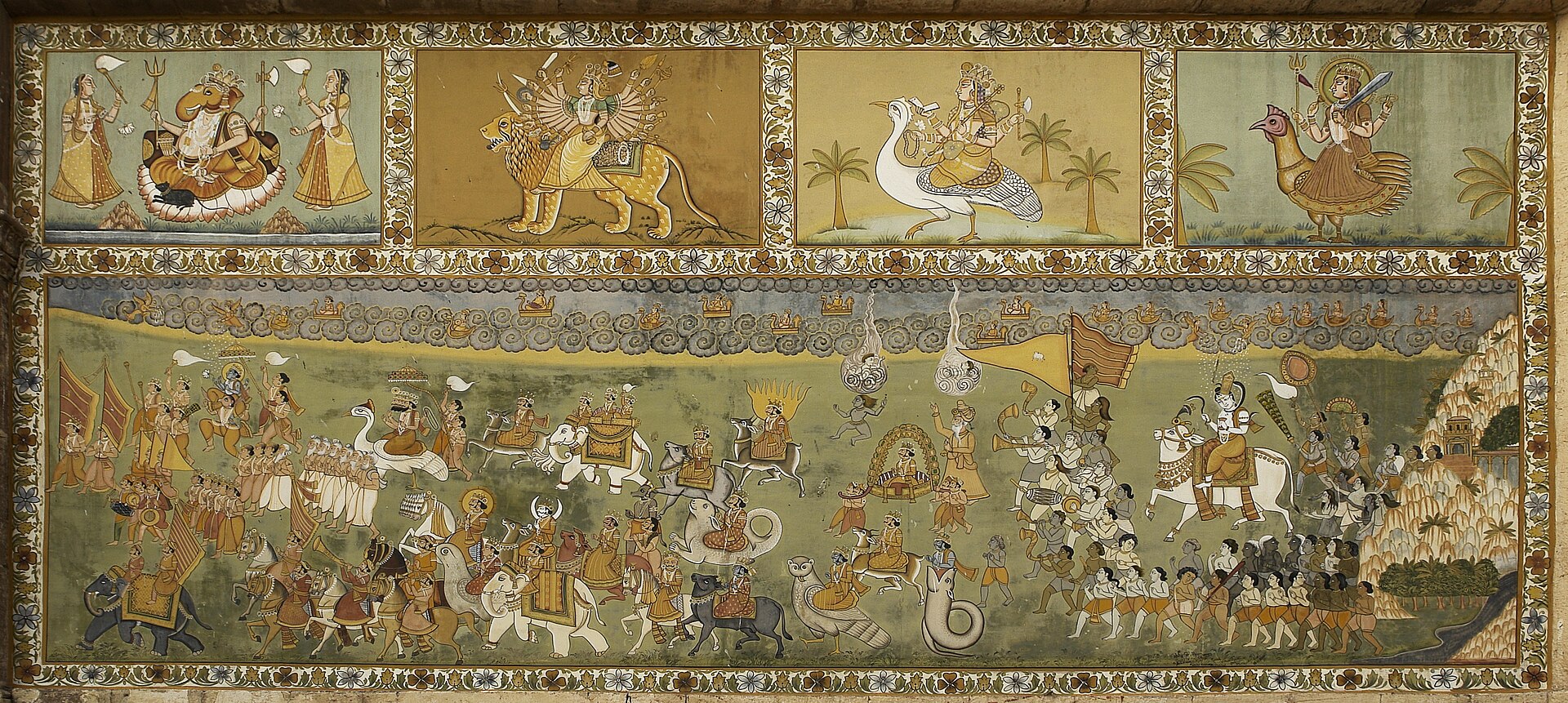
The architecture of Thakur Bari reflects a moment when Rajput traditions began blending with European influences. The building is sturdy rather than towering, its walls made from local sandstone that glows golden in the sunlight. Intricate jali screens, carved with geometric patterns, allow breezes to filter through the rooms, offering relief from the desert heat. Inside, the spaces are airy, with high ceilings and large windows framing views of the surrounding landscape. The most striking feature is the reception hall, where faded frescoes depict scenes of hunting and courtly life—simple in execution but full of character, as if the artists were more concerned with capturing the spirit of the moment than perfecting every detail.
Today, the palace wears its age lightly. Some rooms still hold remnants of its past: a worn-out carpet, a tarnished mirror, a piece of furniture left behind as if its owners might return at any moment. The effect isn’t one of neglect but of quiet persistence, as though the building has settled into its own rhythm. Locals say the palace occasionally hosts film shoots or private events, but on most days, it remains undisturbed. The few visitors who make the journey here often wander its halls alone, trying to imagine what life was like when the palace was alive with the presence of its inhabitants.
A small, overgrown garden surrounds the palace, once meticulously maintained but now left to grow wild. Old trees provide patches of shade, and in spring, bursts of color appear where flowering shrubs have taken root. At the far end of the garden, a shallow pool collects rainwater—a practical feature in a land where water is precious. Beyond the garden, the landscape opens up to reveal the red-tiled roofs of Jodhpur’s old city and the distant silhouettes of other forts and palaces. The isolation is part of the palace’s charm; there are no crowds, no souvenir stalls, just the quiet hum of the wind and the sense that you’ve stepped into a different era.
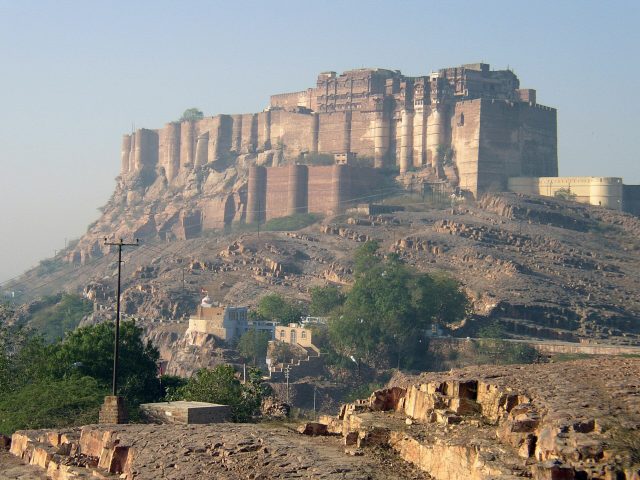
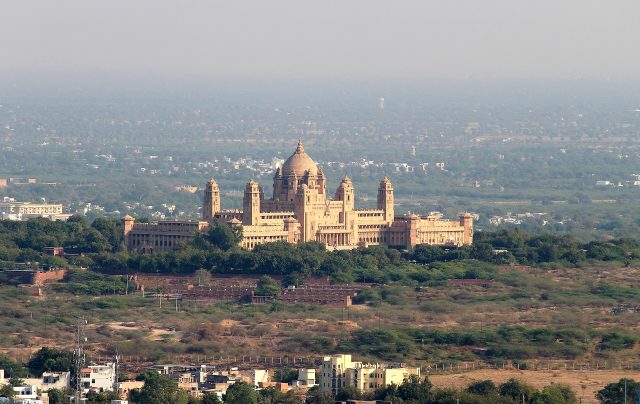
Reaching Thakur Bari isn’t straightforward. The road winds through dusty trails and low hills, becoming nearly impassable during the monsoon and baking under the sun in the dry season. Most tourists never make it this far, preferring the more famous landmarks like Mehrangarh Fort or Umaid Bhawan Palace. But those who do venture here are rewarded with something rare: a place untouched by the usual trappings of tourism. There are no guided tours, no ticket booths, just the palace itself, standing as it has for over a century.
In recent years, there’s been talk of restoring Thakur Bari, with plans to turn it into a museum or even a heritage hotel. Progress has been slow, and locals are divided on the idea. Some hope restoration will bring new life to the palace, while others worry it might strip away the very qualities that make it special. For now, it remains as it has for decades—a little worn, a little forgotten, but still dignified in its silence.
Visiting Thakur Bari isn’t about ticking off another attraction. There are no signs, no schedules, no neatly packaged history. Instead, it’s an invitation to step into a slower, quieter world. The palace doesn’t demand attention; it simply exists, its walls holding stories that have yet to be fully told. If you come to Jodhpur looking for more than just postcard views, this is a place worth seeking out. You won’t find luxury or entertainment here, but you might leave with something more enduring: the sense of having touched a piece of history that still breathes.