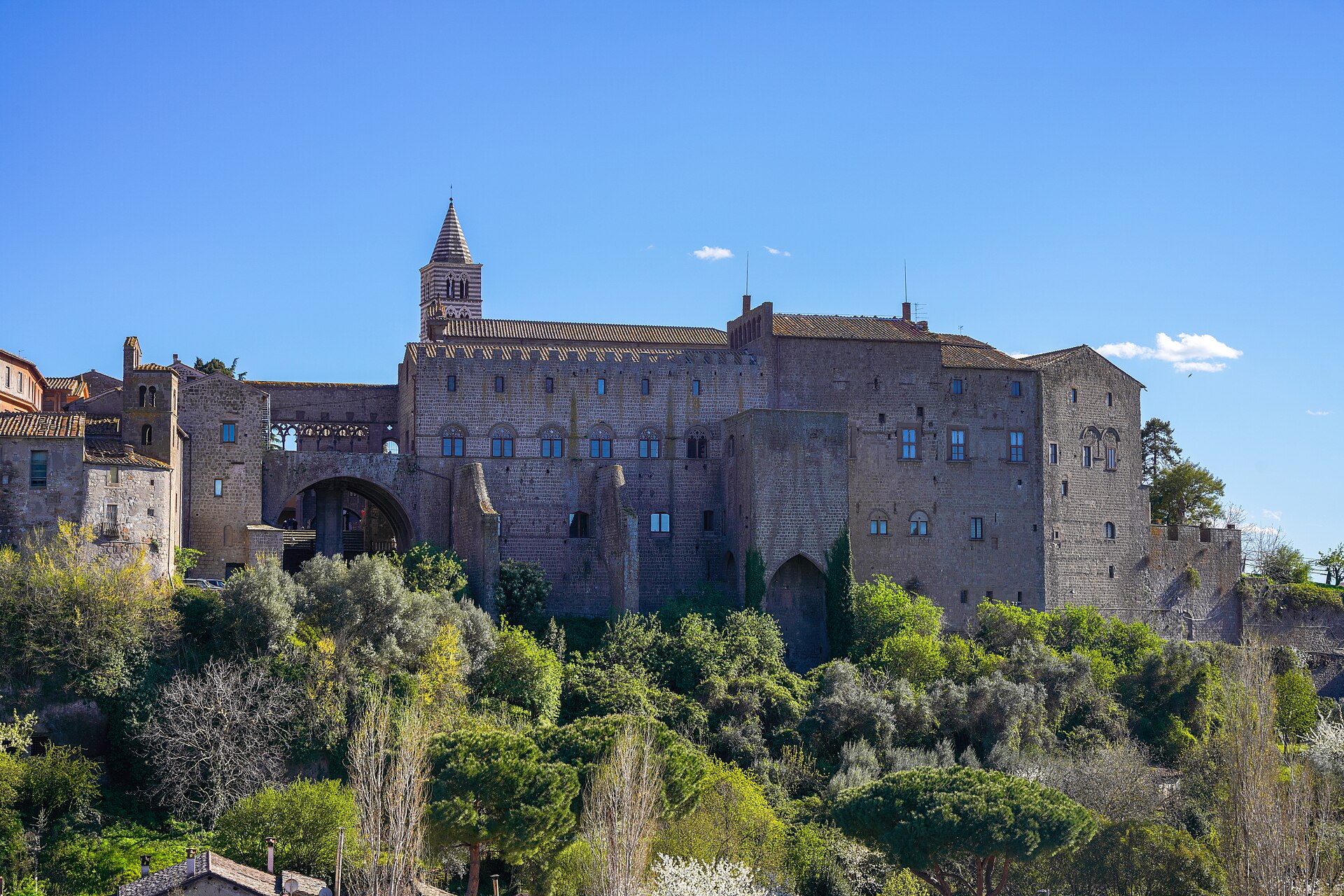
Perched atop a sheer cliff of volcanic tufa, Orvieto seems to hover above the Umbrian valley like a dream half-remembered. The town’s labyrinth of medieval alleys and ancient churches feels suspended in time, and nowhere is that sense of history more tangible than in the Papal Palace. Built in the 13th century, this fortress-like structure was never a permanent home for the popes, but it served as a vital refuge during periods of turmoil when Rome became too dangerous. For a few decades, Orvieto wasn’t just a picturesque hilltown—it was the de facto capital of the Catholic world, a place where the fate of Europe was debated behind its thick stone walls.
The palace’s architecture is unyielding, designed for defense rather than display. Its massive walls, narrow slit windows, and sturdy buttresses speak of a building meant to withstand sieges and political storms. Yet there’s a quiet elegance to it, too—gothic arches and vaulted ceilings hint at the solemnity of the decisions made within. This was no gilded retreat; it was a working fortress where papal councils convened, coins were minted, and envoys from across Europe gathered to negotiate. When the popes resided here, Orvieto briefly became the center of the medieval world, drawing cardinals, merchants, and diplomats to its rocky perch.
Today, the palace houses a museum that offers more than just a glimpse into its past. The exhibits include medieval frescoes, religious artifacts, and everyday objects that paint a vivid picture of life in the 13th and 14th centuries. One of the most compelling displays focuses on the Avignon Papacy, when Orvieto and other Italian cities struggled to maintain ties with a papacy under French influence. The throne room, where popes once received dignitaries, remains largely intact, its austere grandeur a reminder of the power that once filled these halls.
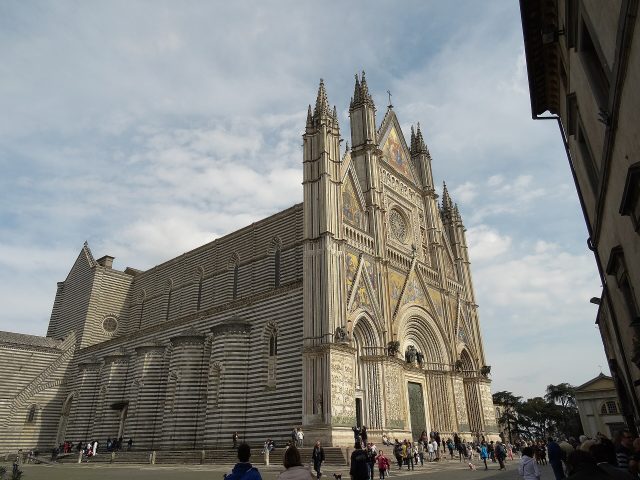
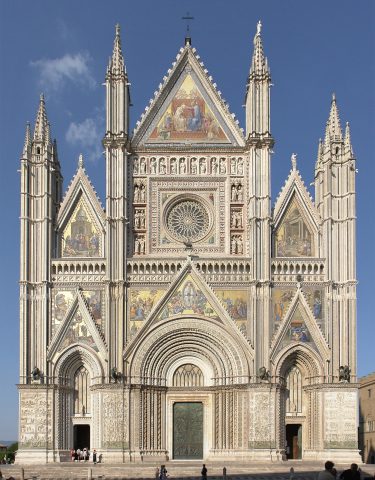
The palace stands on Orvieto’s main square, a stone’s throw from the town’s crowning glory—the cathedral. Together, they form a striking contrast. The cathedral, a masterpiece of Italian gothic architecture, dazzles with its intricate mosaics and ornate façade, while the palace exudes a stern, almost monastic simplicity. This juxtaposition is part of what makes the square so compelling: one building embodies the spiritual grandeur of the Church, the other the harsh realities of medieval politics. They complement each other in a way that feels almost deliberate, as if the town itself is telling a story.
Orvieto has always been a place where history lingers. Walking its streets, it’s easy to imagine the bustle of the papal court, the hushed conversations of cardinals, and the clatter of hooves on cobblestones as messengers arrived with news from Rome. The Papal Palace, though less famous than the Vatican or Avignon, played a crucial role in shaping Europe’s destiny. Today, it offers visitors a chance to step back in time—not just to see artifacts, but to feel the weight of the decisions made within its walls.
Inside, some original features remain, like the massive stone fireplaces and the heavy wooden beams that crisscross the ceilings. In one of the halls, faded frescoes depict religious scenes, their colors muted by time but still evocative of the piety that once filled these rooms. The palace chapel, where popes prayed in times of danger, is particularly moving. Its unadorned walls and simple altar stand in stark contrast to the opulence of the cathedral, yet there’s a quiet dignity here that feels more authentic than any gilded shrine.
The square outside is one of Orvieto’s liveliest spots, where locals and visitors gather at café tables to sip espresso or sample the region’s wines. From here, the view stretches across the valley below, the cathedral’s golden mosaics catching the light as the sun sets. It’s easy to see why the popes chose this place—it offers both the impregnability of a fortress and the serene beauty of the Umbrian landscape. The town’s isolation, once a strategic advantage, now makes it a perfect retreat for those seeking to escape the crowds of more famous Italian destinations.
The Papal Palace isn’t just a museum; it’s a testament to the intertwined nature of faith and power in the Middle Ages. Unlike the Vatican or Avignon, it doesn’t draw huge crowds, which makes a visit here feel more intimate. There’s time to linger, to imagine the hushed debates that once took place in these rooms, and to appreciate the role Orvieto played in a much larger story. For anyone interested in Italy’s history, the palace is a must-see—a place where the past isn’t just preserved, but still feels alive.