The Iturralde Palace in Trujillo is one of those rare places where time seems to stand still, preserving the spirit of an era long past. Built in the early 20th century, it became a symbol of the wealth and influence of the Iturralde family, whose name is deeply intertwined with the history of northern Peru. The palace’s architecture blends neoclassical elegance with local traditions, creating a harmonious facade that still turns heads today. Its white walls, tall windows, and graceful balconies evoke an age when Trujillo was a thriving hub of trade and culture, and the local elite sought to emulate European tastes.
Stepping inside, the grandeur of the palace becomes even more apparent. The reception halls are adorned with intricate plasterwork, carved wooden panels, and antique chandeliers that once illuminated lavish balls and receptions. The main hall, with its soaring ceilings and large mirrors, reflects light in a way that makes the space feel even more expansive. Every detail—from the marble fireplaces to the imported European furniture—speaks of the family’s refusal to compromise on luxury. The Iturraldes spared no expense in crafting an interior that would impress, and their efforts are still visible today.
Nowadays, the palace serves as a cultural center, hosting exhibitions, concerts, and lectures. It has become a gathering place for those interested in history and art, as well as travelers eager to connect with Peru’s past. The halls often feature works by local artists, and temporary exhibitions sometimes focus on the region’s history. While the atmosphere remains dignified, it no longer feels as exclusive as it did when the palace was a private residence.
Trujillo itself is a city steeped in history. Founded by Spanish conquistadors in the 16th century, it was once a key administrative and commercial center in northern Peru. The city’s colonial architecture—churches, plazas, and grand mansions—creates a distinctive atmosphere, and the Iturralde Palace fits seamlessly into this landscape. Walking through Trujillo’s streets, it’s easy to imagine the bustling life of centuries past, when wealthy families hosted elaborate gatherings in their opulent homes.
For much of its existence, the Iturralde Palace was closed to the public, remaining a private family estate. It wasn’t until the late 20th century that it was handed over to the city, and recent restoration work has brought back its former glory while preserving its historical character. Visitors today can admire the architecture and learn about the lives of Peru’s aristocracy in the early 1900s. Guides share stories of the Iturralde family, their connections to other influential clans, and how the city has evolved over the centuries.
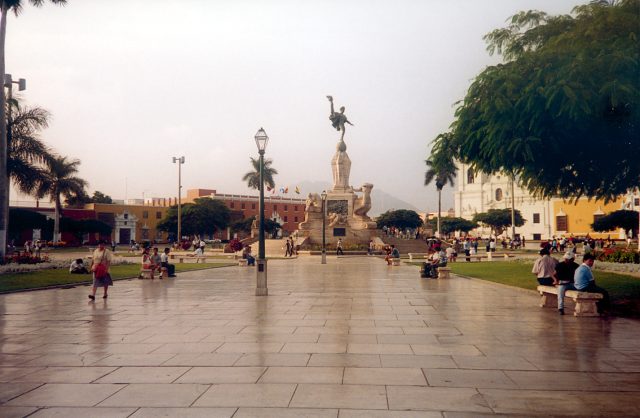
Located in the heart of Trujillo, near the main square, the palace is an ideal starting point for exploring the historic center. Nearby attractions include the cathedral and the municipal palace, making it easy to combine a visit with other sights. The city’s atmosphere is palpable here—narrow streets, lively markets, and the scent of local cuisine all contribute to the experience, complementing the visit to the palace.
For those interested in Peru’s history, the Iturralde Palace is more than just a beautiful building; it’s a living testament to the changes that shaped the country. It recalls a time when Trujillo was one of the most prosperous cities on the Pacific coast, and its elite played a crucial role in the region’s political and economic life. Today, the palace bridges the past and present, allowing visitors to touch history and sense the spirit of a bygone era.
A visit to the palace doesn’t take long, but it leaves a lasting impression. Unlike more famous Peruvian landmarks, it’s rarely crowded, so you can take your time appreciating the details and atmosphere. If you’re lucky, you might catch an exhibition or cultural event during your visit. Either way, the Iturralde Palace is a place worth seeing to better understand the history and culture of northern Peru.