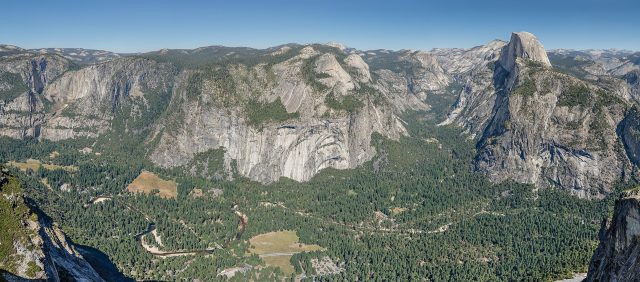
Nestled in the heart of Yosemite Valley, where towering granite cliffs meet ancient sequoias, LeConte Memorial Lodge feels like a quiet conversation between the past and the land itself. This isn’t a grand estate or a meticulously restored showpiece—it’s a modest wooden house that still carries the presence of the people who once lived here, people who saw Yosemite not just as a place of beauty, but as a living classroom. Built in the late 1800s for Joseph LeConte, a geologist and professor at the University of California, the lodge was more than a summer retreat. It was a base for someone who believed this valley held answers to how the earth had shaped itself over millennia.
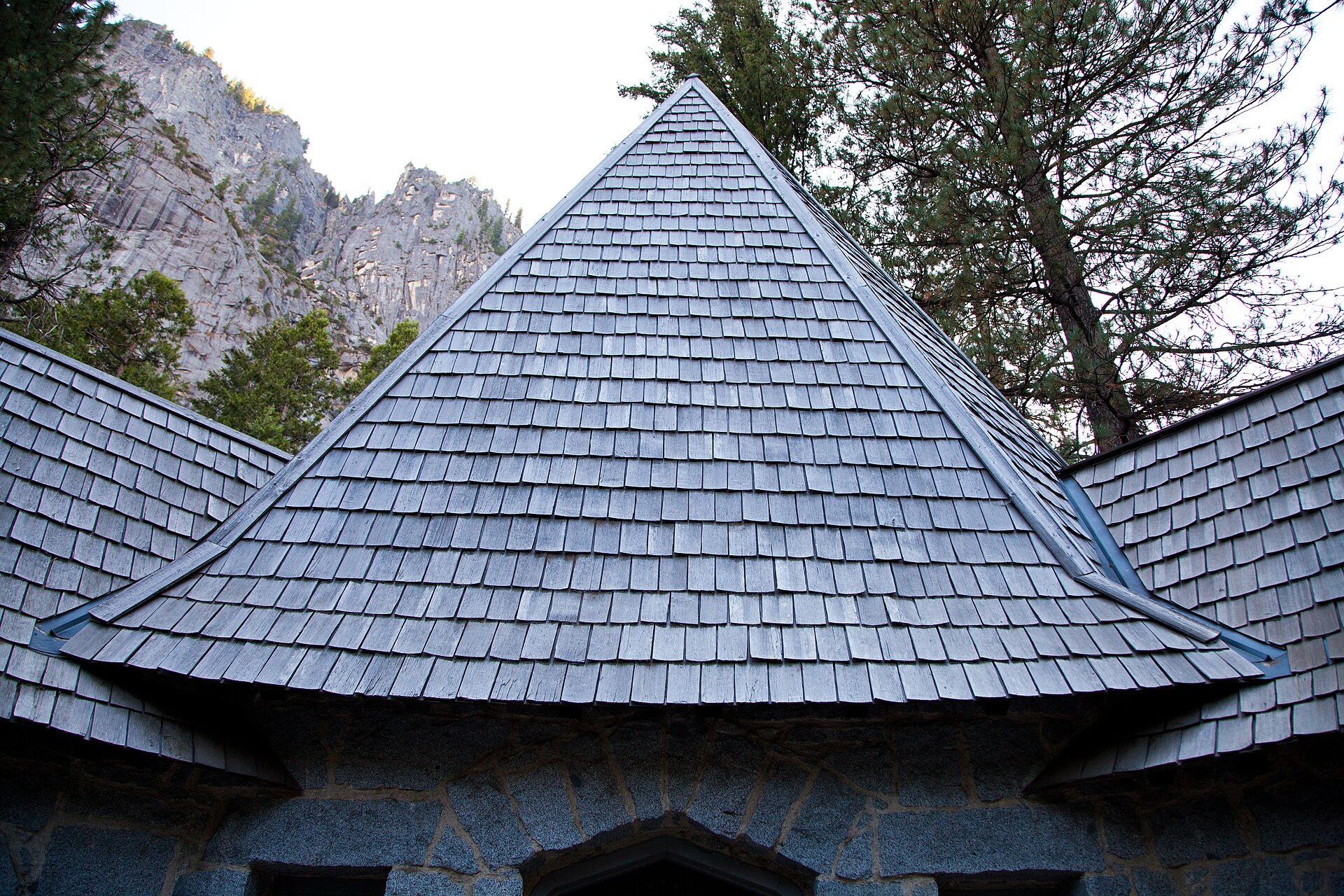
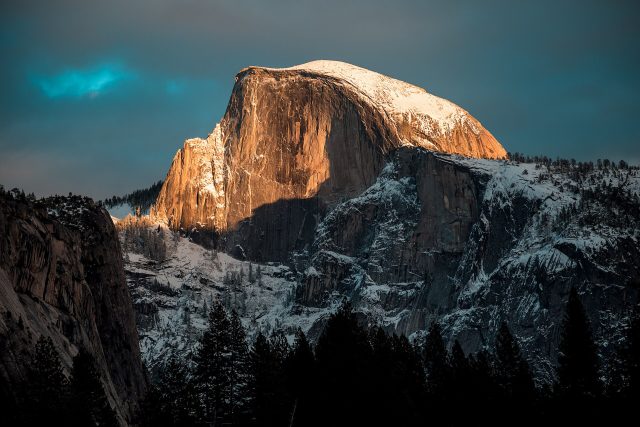
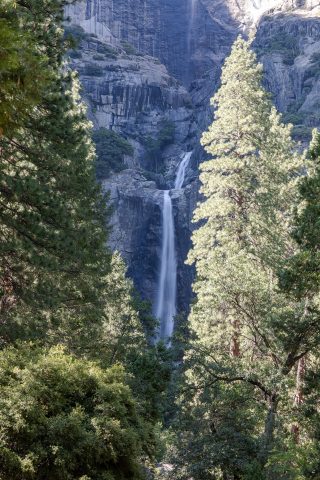
The building itself is unassuming, designed for function rather than display. Its wooden walls and wide windows frame views of Half Dome and Yosemite Falls, as if the landscape were part of the architecture. Inside, the rooms are small and low-ceilinged, with the kind of worn-in comfort that comes from years of use. The furniture, books, and scientific instruments left behind aren’t roped off or treated as untouchable relics. Visitors can sit in the same chairs, run their fingers along the same wooden tables, and imagine LeConte stepping out the door to collect rock samples or scribble notes by lamplight. There’s no pretension here—just the sense that the house is still waiting for its owner to return.
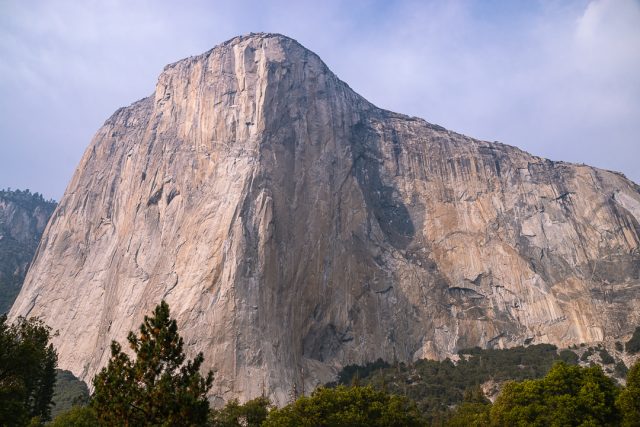
LeConte wasn’t the first to be drawn to Yosemite, but he was among the first to see it through the lens of science. In the late 19th century, the valley was already attracting artists, writers, and adventurers, but for LeConte, it was a natural laboratory. He studied the glaciers that had carved the granite domes, the rivers that shaped the valley floor, and the slow, relentless forces that had created this place. His work here helped shift how people understood Yosemite—not just as a scenic wonder, but as a record of the earth’s history. That perspective would later influence the movement to protect the valley as a national park, long before crowds of tourists arrived with cameras and guidebooks.
Today, the lodge operates as a museum, though it feels more like a time capsule than a traditional exhibit. There are no glass cases or stern warnings about touching the artifacts. Instead, visitors are encouraged to wander, to pick up a book from the shelf, or to sit by the fireplace where LeConte and his colleagues might have debated Darwin’s theories over tea. Occasionally, descendants of the family visit, and the house comes alive with stories—whispers of what it was like to grow up here, of the man who saw science and wonder as two sides of the same coin. Those moments make the past feel immediate, as if the decades between then and now have momentarily dissolved.
Yosemite has always been a place where different worlds overlap. The Ahwahneechee people lived here for generations before settlers arrived. Gold rush prospectors passed through, followed by artists like Albert Bierstadt, who painted the valley’s grandeur for audiences back east. Scientists like John Muir and Joseph LeConte came next, each leaving their mark on how we understand this landscape. The lodge is a small but significant part of that history. Unlike the grand hotels or the bustling visitor centers, it doesn’t demand attention. It sits quietly, offering a different kind of experience—one that’s slower, more intimate, and free from the noise of modern tourism.
Outside, the valley looks much the same as it did when LeConte lived here. The same rivers carve their paths through the granite, the same sequoias stand sentinel, and the same waterfalls tumble down the cliffs. A short walk from the lodge leads to the Merced River, where the water moves with the same patient persistence it has for centuries. In the early mornings, deer sometimes wander through the small garden behind the house, a reminder that this place was never just for people. It’s easy to see why LeConte chose this spot. Here, nature isn’t just something to observe—it’s something that speaks, if you know how to listen.
The lodge also tells a quieter story about conservation. When LeConte first came to Yosemite, the idea of preserving wild places was still new. Many saw the valley as a resource to be exploited—land for logging, mining, or development. LeConte and others like him argued that Yosemite’s value lay in its untouched beauty, in the way it could teach us about the earth’s history. Their efforts helped pave the way for the national park system, ensuring that future generations would have the chance to experience this place as they did. Walking through the lodge, it’s hard not to wonder how many other landscapes were lost before someone stepped in to protect them.
For those who visit Yosemite not just to snap photos but to understand what makes it special, the lodge offers a different perspective. There are no dramatic tales of adventure or groundbreaking discoveries here—just the quiet legacy of someone who saw the valley as more than a backdrop. In a world that moves faster every day, places like this remind us to slow down. To sit by a window and watch the light change on the granite cliffs. To listen to the wind in the trees. To see Yosemite not as a destination, but as a place that has always been home to those willing to pay attention.