Jūrmala is a city best known for its endless sandy beaches, whispering pine forests, and the unhurried rhythm of life that seems to slow with the Baltic waves. Yet behind this postcard-perfect seaside charm lies another side of the city—one where the practical work of governance quietly shapes its future. The Jūrmala City Council building stands at the heart of this balance, a place where the threads of local administration weave together the many facets of this unique coastal town. Located on Jomas Street, the city’s main artery, the building is more than just an administrative hub; it’s a landmark that connects Jūrmala’s diverse neighborhoods, from the lively promenades of Majori to the quieter, leafy lanes of Dubulti.
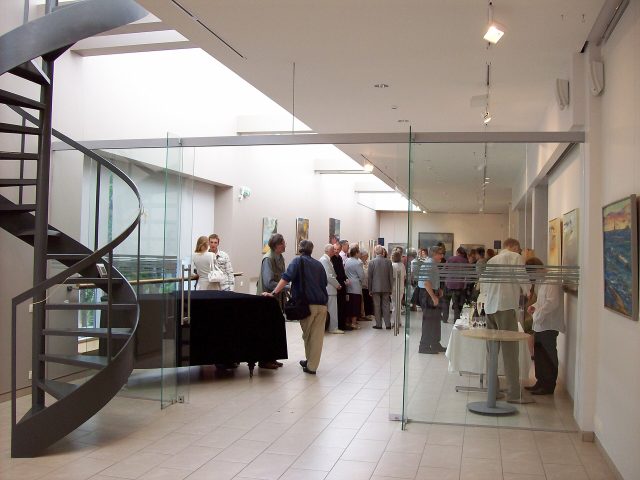
The building itself is a product of its time, reflecting the architectural ideals of the mid-20th century. Designed in the monumental style typical of the Soviet era, it carries a sense of solidity and purpose, softened by subtle local influences. The façade is symmetrical and restrained, with tall windows and columns that lend it an air of authority without ostentation. Inside, the layout is functional and uncluttered—spacious halls, offices for city officials, and meeting rooms where decisions about infrastructure, culture, and urban development are made. There’s a quiet efficiency to the space, a reflection of the city’s pragmatic approach to balancing its roles as both a resort and a living, working community.
The history of this building is intertwined with Jūrmala’s evolution as a destination. In the early 20th century, when the city was just beginning to attract visitors drawn to its healing sea air and mineral springs, the first administrative structures took shape. But the current building emerged later, during a period of rapid growth when Jūrmala became a major health and tourism center under Soviet rule. The city expanded with new sanatoriums, guesthouses, and roads, and the local government played a central role in shaping this transformation. Today, the building continues to serve its original purpose, though now within the context of an independent Latvia, adapting to new challenges while preserving the city’s character.
For both residents and visitors, the City Council building is more than just a symbol of local government—it’s a familiar part of Jūrmala’s urban fabric. Situated within walking distance of the city’s main attractions, including the Dzintari Concert Hall, the bustling Jomas Street promenade, and the famous beaches, it blends seamlessly into the surroundings. A small park unfolds around the building, offering a quiet spot where people gather in warmer months—parents with strollers, elderly couples on benches, or office workers taking a midday break under the shade of trees. The atmosphere here is calm and businesslike, yet free from the frenetic energy of larger cities, mirroring Jūrmala’s ability to harmonize work and leisure.
While the architecture may not dazzle with ornate details, it holds a certain understated integrity. The building doesn’t compete with the grand wooden villas or modern hotels that dot the city; instead, it stands as a testament to the quiet, steady work that keeps Jūrmala running. Inside, the decor is minimalist, prioritizing function over flourish. Even the city’s coat of arms, displayed in the meeting rooms, serves as a reminder that the decisions made here shape not just individual lives but the collective story of the resort. It’s a place where the past and future of Jūrmala intersect, where plans for preserving its heritage and embracing new opportunities are carefully weighed.
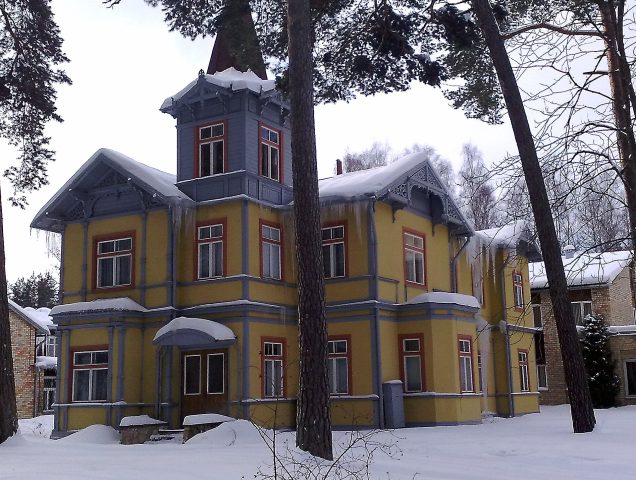
The significance of the City Council building extends far beyond its walls. It’s where the future of Jūrmala is quietly forged—where projects to maintain its beaches, improve infrastructure, and support cultural initiatives take shape. The city’s rich history is never far from these discussions. In the 1990s, for example, many of Jūrmala’s historic wooden villas faced demolition as development pressures grew. Thanks to the efforts of local authorities and preservation advocates, many of these buildings were saved, and today they stand as one of the city’s most beloved features. The decisions made in this building have a lasting impact, ensuring that Jūrmala remains a place where history and modernity coexist.
For most tourists, the City Council building won’t be a must-see attraction, but those with an interest in the inner workings of the city may find it intriguing. It doesn’t hide its official purpose, yet it doesn’t feel out of place amid the relaxed, resort-like atmosphere of Jūrmala. Instead, it serves as a subtle reminder that this is a living, breathing city with its own rhythms, challenges, and traditions. In many ways, the building acts as a bridge between the everyday lives of its residents and the carefree holiday vibe that draws visitors from near and far. It’s a place where the practical and the picturesque meet, where the business of running a city unfolds against the backdrop of sandy shores and rustling pines.
In recent years, Jūrmala has grown into a vibrant cultural and tourist hub, hosting international festivals, concerts, and sporting events. While the City Council building isn’t directly involved in organizing these gatherings, its role in creating the conditions for them is undeniable. Local authorities work to ensure that the city’s infrastructure keeps pace with its ambitions, from maintaining clean beaches to upgrading public spaces. The building on Jomas Street stands as a symbol of this commitment—a quiet force behind the scenes, helping Jūrmala evolve while staying true to the qualities that have made it special for generations. It’s not just an office; it’s a reflection of how the city cares for its past, present, and future.