St. Anne’s Church in Jūrmala is one of those rare places that feels untouched by time. Standing quietly among the pines and low-roofed houses, it has served as both a spiritual anchor for locals and a peaceful retreat for anyone seeking a moment of stillness. Its slender spire rises above the treetops, drawing the eye from a distance, while up close, the building reveals a quiet elegance—modest in scale but rich in character.
The church’s story begins in the late 19th century, when Jūrmala was transforming from a scattering of fishing villages into a fashionable seaside resort. Wealthy visitors from Riga and beyond built summer villas along the coast, but one thing was missing: a place of worship. The idea for the church came from the local community, supported by well-to-do vacationers who spent their summers here. Funded entirely by donations, the church was consecrated in 1896 and dedicated to St. Anne, the patron saint of mothers and family life.
Architecturally, the church is a fine example of Neo-Gothic style, which was particularly popular in the Baltic region at the time. Built from red brick, it features pointed arches, tall lancet windows, and a soaring spire—echoes of medieval Northern European churches, though on a more intimate scale. Inside, the simplicity is striking: whitewashed walls, wooden pews, and a restrained iconostasis. There’s no grandeur here, just a sense of purpose, a space designed for reflection rather than spectacle.
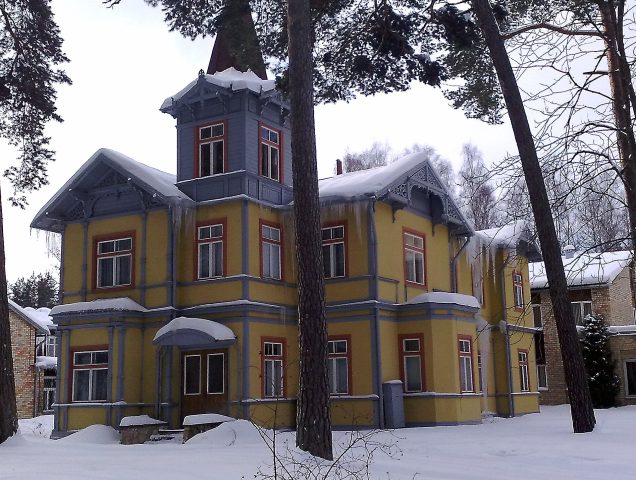
What makes the church especially charming is its setting. Perched on a gentle rise, it’s surrounded by old pine trees that whisper in the wind and fill the air with the scent of resin. A well-kept park with winding paths, benches, and flowerbeds stretches around it, offering a perfect spot for leisurely walks. In summer, the linden trees bloom, birds sing, and the evening light gilds the spire. Winter transforms the scene entirely—the church becomes a fairy-tale cottage under a blanket of snow, as if time itself has paused.
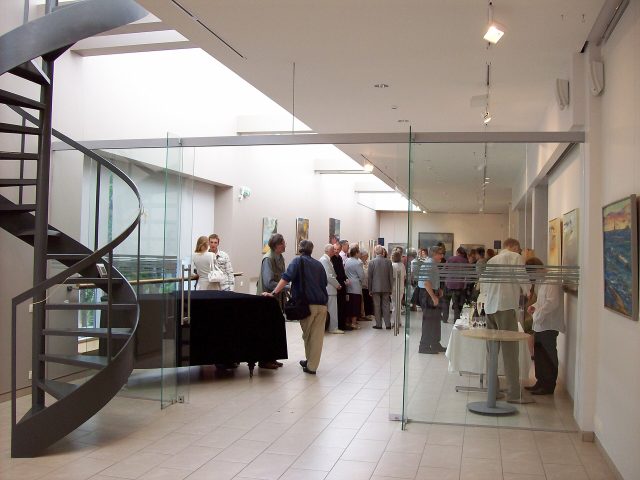
Though it remains an active place of worship, St. Anne’s has also become a cultural landmark in Jūrmala. The church hosts organ and chamber music concerts, exhibitions by local artists, and occasional literary evenings. The organ, while not one of the region’s most famous, has a clear, resonant voice that fills the high vaulted ceilings beautifully. For many, these events are a chance to experience the church’s unique atmosphere, where art and spirituality intertwine.
Beyond its cultural role, the church is deeply woven into the fabric of local life. It’s where families baptize their children, couples exchange vows, and loved ones are remembered. For generations of Jūrmala residents, it’s more than just a place of worship—it’s a symbol of continuity, a thread connecting past and present. On holidays, the church is full; on weekdays, it’s quiet, offering a space for solitude, prayer, or simply a moment of peace.
Jūrmala is often associated with lively beaches, bustling cafés, and summer nightlife, but St. Anne’s Church offers a different side of the city. There are no crowds here, no noise, no distractions—just a sense of timelessness. It’s a place for those who appreciate slowness, who want to step into history or simply be alone with their thoughts. That’s why it’s cherished not only by the faithful but by anyone who has ever wandered its paths.
Over the decades, Jūrmala has changed dramatically, with new hotels, restaurants, and entertainment venues reshaping its landscape. Yet St. Anne’s remains unchanged—still quiet, still unassuming, still a little mysterious. It doesn’t seek attention or try to be anything other than what it is. In a world that moves too fast, such places are increasingly rare, and their value is impossible to overstate.