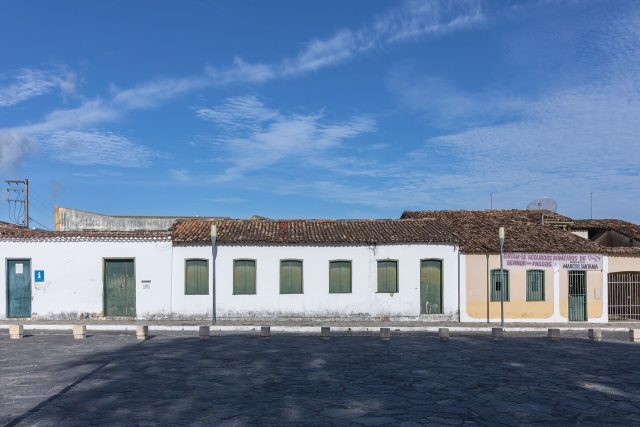
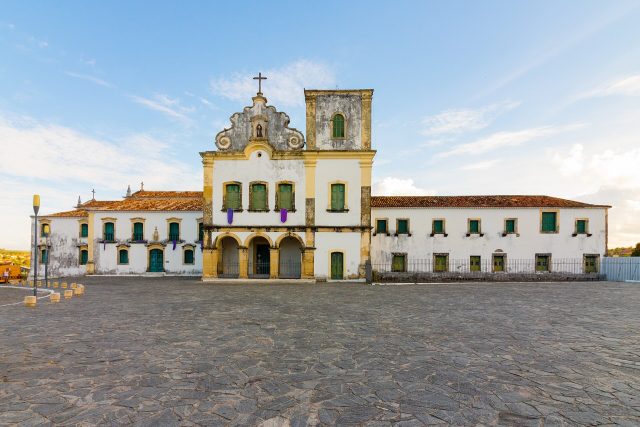
São Cristóvão feels like a place where time has paused. Founded in the early 16th century, this colonial town was once a key settlement in Brazil’s early history. Today, its quiet streets and whitewashed buildings remain unchanged by modern noise. Among them stands the Church of Nossa Senhora do Rosário dos Pretos, a modest structure with more than prayers inside—it carries the stories of those who shaped this land.
The church was built in the 18th century, when São Cristóvão thrived on sugar plantations and the trade of enslaved people. For the Black community—enslaved or free—this was a sanctuary. Nossa Senhora do Rosário dos Pretos, their patroness, became a symbol of resilience. Here, they gathered, worshipped, and found belonging in a world that often denied it.
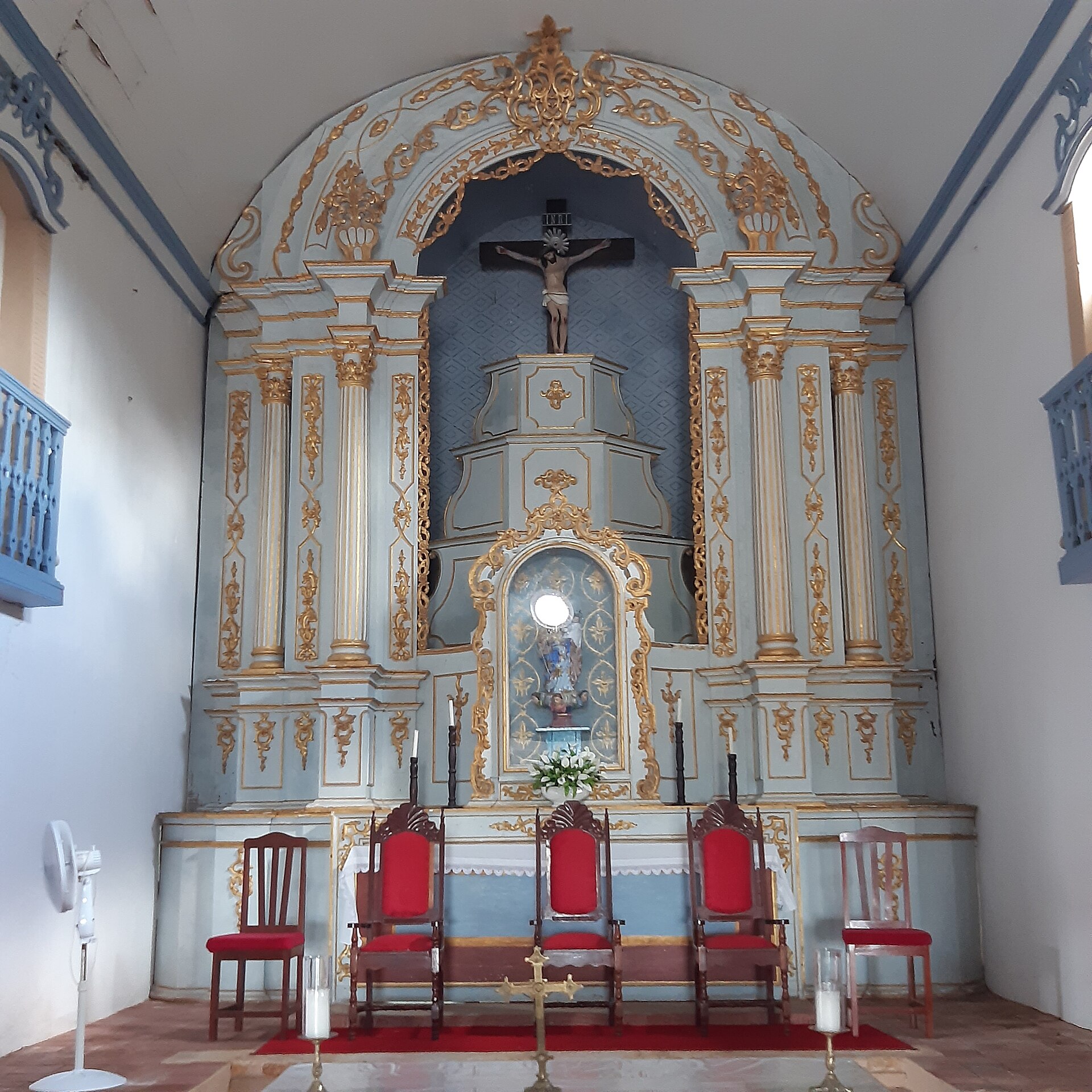
The church looks simple from the outside. Time has softened its colonial façade—white walls, a plain pediment, twin towers. Inside, there’s no gold or ornate carvings. Wooden pews, a bare altar, and a few old religious images fill the space. This simplicity feels deliberate. It wasn’t built to impress but to serve.
Nossa Senhora do Rosário dos Pretos connects cultures. Brought to Brazil by enslaved Africans, her veneration merged with diaspora traditions. Over time, she became a unifying figure, a reminder of faith that outlasted oppression. The church holds that history. You can still feel it.
The church remains active and protected. São Cristóvão’s UNESCO World Heritage status comes partly from landmarks like this, which preserve Brazil’s layered past. It doesn’t just mark an era—it tells of struggle, survival, and community.
Look at the details when you visit. The wooden beams overhead have held centuries of weight. The old lanterns, now dim, once lit the way for worshippers. Under the courtyard trees, you can sit and picture the processions, the songs, the footsteps of those who came before.
In São Cristóvão, the past lingers. The church is one of those places where history isn’t just in books—it’s in the stones, the walls, the air. In a country that rushes forward, such places let you pause. They let you see how the past still shapes today.