El Chaltén sits where the Andes rise sharply into the sky. The air carries the scent of damp earth and distant ice, and the wind never really stops. This is the edge of the known world for many travelers, the starting point for journeys into Los Glaciares National Park.
The park’s visitor center is a modest building that serves as both an introduction and a gateway to the wild landscapes beyond. Inside, large windows frame views of the surrounding mountains. The walls display photographs of glaciers and jagged peaks, while exhibits explain the park’s history, geology, and wildlife. Here, you can check trail conditions, weather forecasts, and safety precautions. The staff—often experienced guides—offer advice tailored to different skill levels, whether you’re planning a short hike or a multi-day trek.
Los Glaciares National Park was established in 1937 to protect the southern Andes’ ecosystems. It contains one of the largest ice fields outside the polar regions, feeding rivers, lakes, and glaciers like Perito Moreno, Upsala, Spegazzini, and Viedma. These glaciers move slowly, carving the landscape over millennia, and the center explains their formation and environmental role.
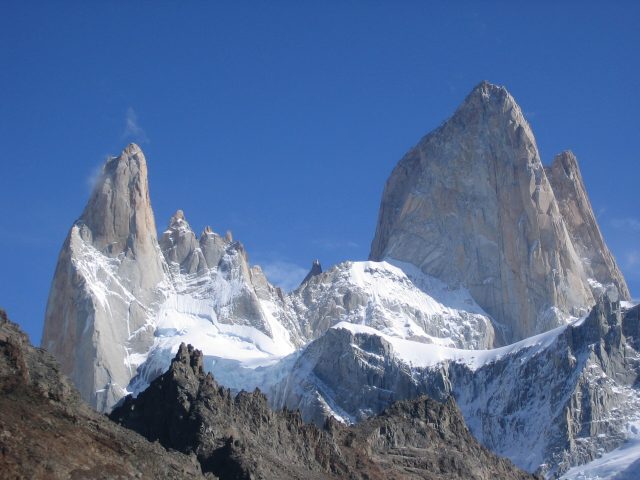
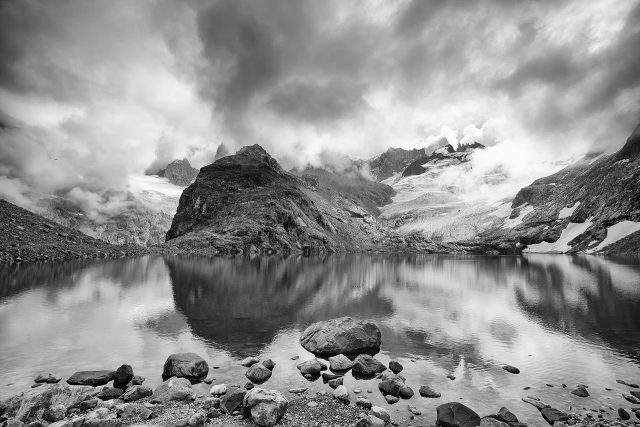
El Chaltén is the base for climbs of Fitz Roy or Cerro Torre. But even if you’re not a mountaineer, the park offers trails for all levels. The visitor center provides maps and recommendations—from an easy walk to Laguna Capri to a demanding trek to Laguna de los Tres, where Fitz Roy’s granite spires rise above the lake. The staff can also suggest less crowded routes.
The rangers and guides here know the park well. They’ll point out where condors circle overhead, explain how to avoid disturbing guanacos, or show you how to build a campfire without harming the environment. Permits for backcountry camping are issued here, along with real-time updates on trail conditions.
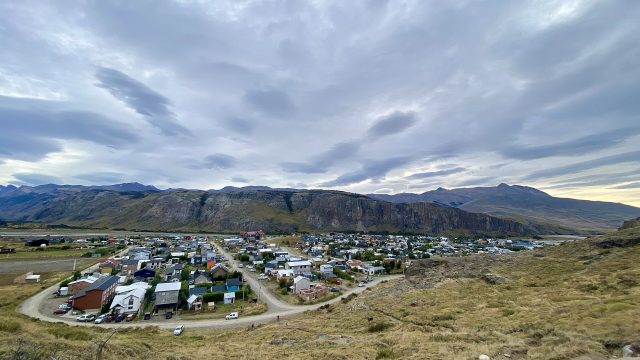
El Chaltén is a small village at the park’s entrance. Founded in 1985, it has grown into a trekking hub but keeps its rugged feel. The visitor center bridges this quiet settlement and the wilderness beyond—where you gather your thoughts, check supplies, or just sit before stepping onto the trail.
Weather here is unpredictable. Sunny skies can turn to rain or snow within minutes. Before heading out, check the latest forecasts at the center. Some paths may be closed due to avalanches or high winds. If you’re missing gear, they’ll point you to rental options. Need a guide? They can help arrange one.
Beyond glaciers and mountains, Los Glaciares is home to guanacos, rheas, and condors. The lakes teem with trout and salmon. The visitor center offers programs on the park’s flora and fauna, as well as the impact of tourism. They emphasize Leave No Trace principles: pack out trash, stay on trails, and respect wildlife.
Visiting the center isn’t just a formality. It’s where you begin to grasp the park’s scale and challenges. Whether you’re planning a short walk or a week-long trek, this is where your journey starts. Some come for information, others for inspiration. The building is unassuming, but from here, the path leads into one of the most extraordinary landscapes on earth.