Laguna de los Tres isn’t the kind of place you visit just to check a box. It’s the kind of place where the journey matters as much as the destination—a high-altitude lake tucked into the folds of the Andes, where the only way to reach it is by walking for hours through some of the most dramatic landscapes Patagonia has to offer. There are no roads leading to its shores, no shortcuts, no easy access. That’s precisely what makes it special. To see the lake, you have to earn it, and that’s part of the experience.
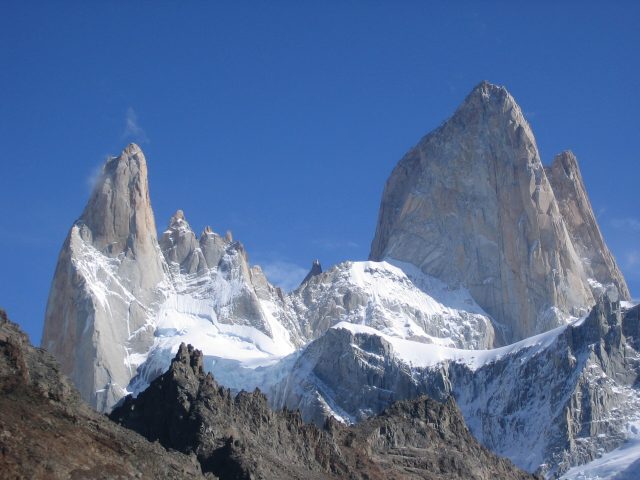
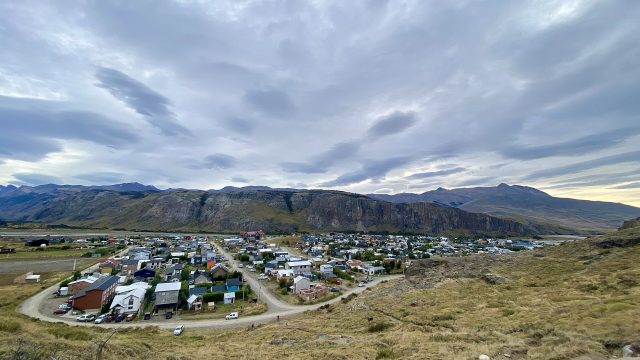
The trek begins on the outskirts of El Chaltén, a small town that exists almost entirely for hikers and climbers. The first stretch follows the Río Blanco valley, winding through dense forests of southern beech and lenga trees, where the air smells of damp earth and resin. The trail is soft underfoot, covered in fallen leaves, and the only sounds are the rustling of branches and the occasional call of a bird. But soon, the trees thin out, giving way to open spaces where the landscape shifts dramatically. The forest disappears, replaced by rocky slopes covered in lichen, and ahead, the jagged peaks of the Andes come into view. The most striking of them all is Mount Fitz Roy, known locally as Chaltén, a towering granite spire that dominates the skyline. At nearly 3,400 meters, it’s one of the most challenging climbs in the world, and its sheer, weather-beaten face has become the defining image of this part of Patagonia.
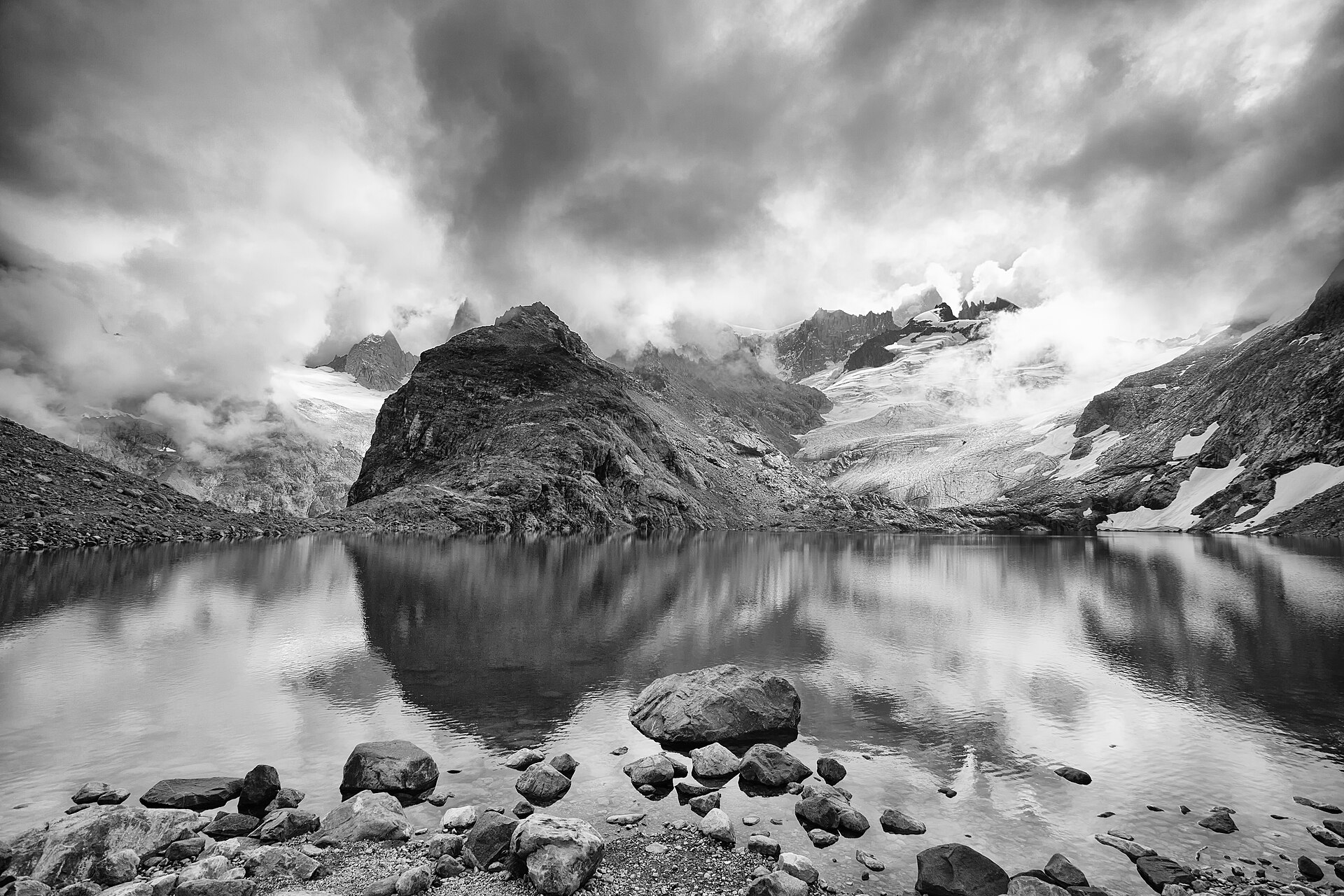
The hike to Laguna de los Tres takes about four to five hours one way, and it’s not a leisurely stroll. The last stretch is particularly demanding—a steep, zigzagging climb up a loose scree slope where the thin mountain air makes every step feel heavier. But it’s here, near the top, that the first glimpse of the lake appears. Nestled in a bowl of rock, the lagoon is small and almost perfectly round, its water an impossible shade of turquoise against the gray stone and patches of lingering snow. On clear days, the reflection of Fitz Roy shimmers on the surface, a sight so striking it makes the effort feel worthwhile.
The lake itself was formed by ancient glaciers that carved out the valley before retreating long ago. Their legacy is visible everywhere—in the polished rocks, the moraines left behind, and the milky-blue hue of the water, caused by glacial flour, tiny particles of rock suspended in the cold, clear depths. In summer, when the snow melts, the lake swells, but even then, few people brave the water. It’s too cold, too raw, a reminder of the forces that shaped this place over millennia.
Laguna de los Tres wasn’t always a well-known destination. Just a few decades ago, only climbers and a handful of adventurers ventured this far into the Patagonian wilderness. El Chaltén was little more than a cluster of houses, and the trail to the lake was rough and unmarked. Everything changed in the 1980s, when Argentina and Chile began promoting the region as a trekking paradise, and Fitz Roy’s reputation as a world-class climbing challenge drew more visitors. Today, the hike is one of the most famous in South America, with thousands of people making the journey each season.
Yet despite its popularity, Laguna de los Tres hasn’t lost its wild character. There are no cafes, no souvenir stands, no signs pointing the way—just the trail, the mountains, and the sky. On a clear day, the shore might be dotted with hikers resting on the rocks, sharing thermoses of tea and sandwiches. But the weather here is unpredictable. A sunny morning can turn into a storm by afternoon, and it’s not uncommon for those who reach the lake under blue skies to descend through rain or even snow.
For many, Laguna de los Tres is the reason to come to El Chaltén in the first place. There are no historic landmarks or grand monuments here, nothing built by human hands. What draws people is something harder to define—the sense of standing in a place untouched by time. The mountains rise sharply, their slopes unmarked by trails or signs of development. The lake feels ancient, as if it belongs to another era. Maybe that’s why visitors keep returning, not for the photos or the bragging rights, but for the rare feeling of being humbled by nature.
The walk back down is usually easier, though the fatigue sets in. The mind replays the images—the turquoise water, the reflection of Fitz Roy, the way the clouds drift over the peaks. The trail no longer feels intimidating, just familiar. And when the first buildings of El Chaltén come into view, there’s a quiet realization that this place doesn’t let go so easily. It lingers, not just in the memory of the hike, but in the way the wind felt against your face, the scent of the mountain grass, the silence broken only by the crunch of stones underfoot.