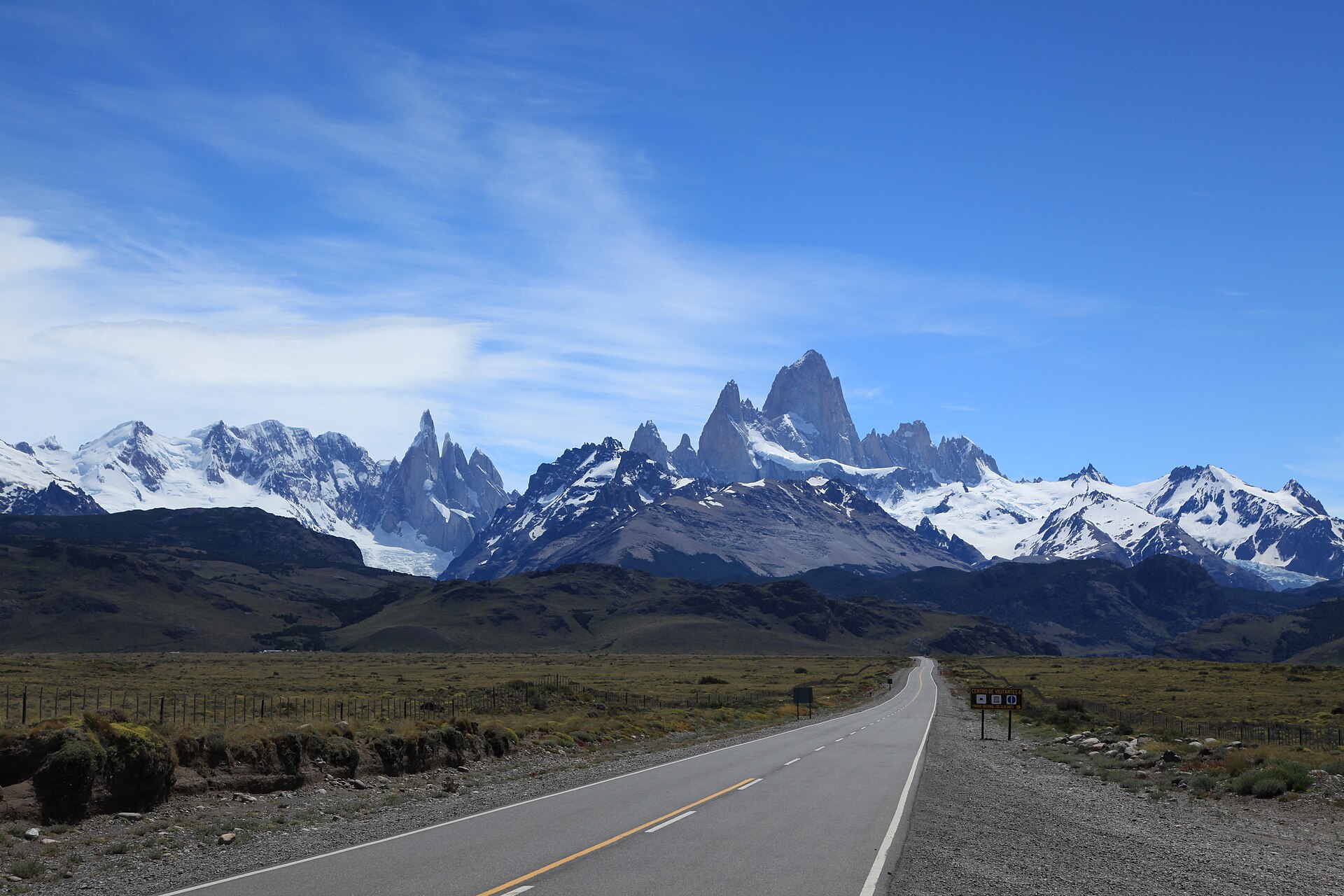
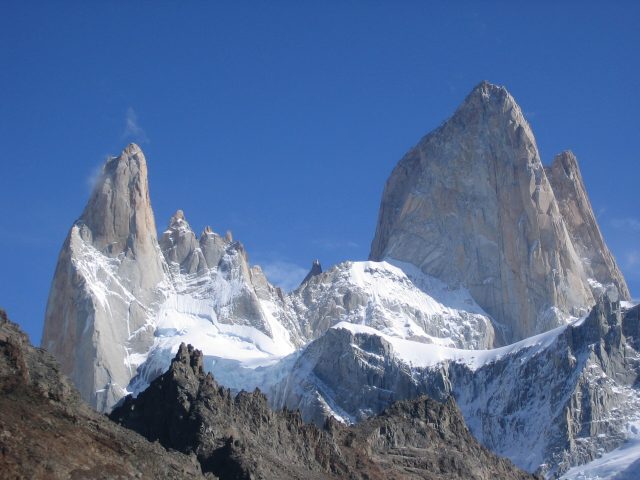
Cerro Torre stands as one of Patagonia’s most iconic and contentious peaks, a jagged silhouette of ice and granite that dominates the valley of the Fitz Roy River. Its near-vertical walls and crown of rime ice make it look less like a mountain and more like a fortress, defying anyone who dares to climb it. The peak isn’t just a physical challenge—it’s a legend, wrapped in controversy, failed attempts, and the kind of drama that turns a place into a pilgrimage site for climbers. For many, Cerro Torre isn’t just a mountain; it’s the ultimate test of skill and endurance, where nature sets the rules and humans can only adapt or fail.
The mountain first caught the attention of European explorers in the early 20th century, though for decades it remained little more than a distant landmark on maps. It was named after Alberto Maria De Agostini, an Italian priest and scientist who conducted research in the region during the 1910s. But long before that, the indigenous Tehuelche people knew it as *Chaltén*, meaning "smoking mountain," a reference to the clouds that almost always cling to its summit. That name later lent itself to the village at its base, El Chaltén, which has become the starting point for anyone attempting to conquer Cerro Torre.
Geologically, the mountain is a marvel. Its sharp, almost needle-like form is the result of millennia of glacial erosion and relentless Patagonian winds, which have sculpted the granite into a near-perfect spire. The summit is capped with a layer of ice and firn that shifts constantly with the weather, making conditions unpredictable. Climbing Cerro Torre is considered one of the most technically demanding ascents in the world. Even seasoned mountaineers face sudden storms, ice buildup, and avalanches, turning every attempt into a high-stakes gamble. Success is rare, and those who reach the top do so with stories that last a lifetime.
The first serious attempt to climb Cerro Torre came in 1958, led by the Italian alpinist Riccardo Cassin, but it ended in failure. It wasn’t until 1974 that another Italian, Cesare Maestri, claimed to have reached the summit. His ascent, however, remains one of the most disputed in climbing history. Maestri insisted he had used a compressor to drill bolts into the rock, but many in the climbing community remain skeptical. There were no convincing photographs, and his descriptions of the route didn’t match later observations. The controversy only added to Cerro Torre’s mystique, turning it into a symbol of both ambition and ambiguity.
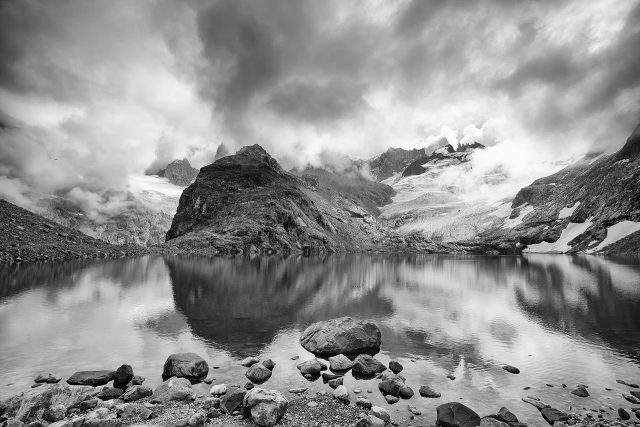
Today, the mountain remains a mecca for extreme climbers, but its slopes also draw hikers who want to experience its grandeur without the risk. Trails of varying difficulty wind through the surrounding valleys, offering breathtaking views of the peak. The most popular route leads to Laguna Torre, a glacial lake where the reflection of Cerro Torre in the still water is one of the most photographed scenes in Patagonia. The landscape here feels untouched—granite cliffs rise abruptly from the earth, while the wind carries the scent of damp grass and ice. It’s a place where the raw power of nature is impossible to ignore.
Weather in this part of Patagonia is famously unpredictable. A clear morning can turn into a blizzard within hours, and the summit might vanish behind a curtain of fog for days. Locals joke that there’s no such thing as bad weather here, just the wrong gear. Even a short hike requires preparation: waterproof layers, sturdy boots, and trekking poles are essential. But even if the clouds obscure the peak, the experience of being in this wild, windswept landscape is unforgettable. The air is crisp, the silence broken only by the cry of a condor or the distant rumble of a glacier calving into a lake.
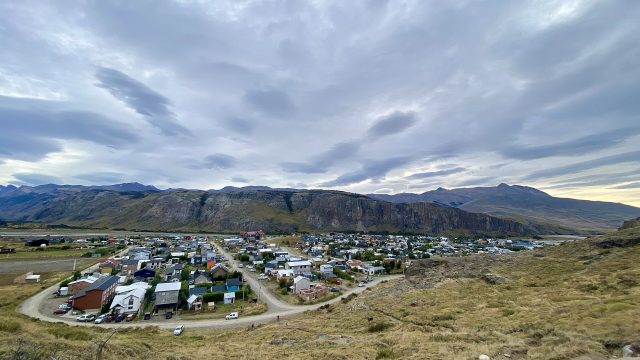
El Chaltén, the village at the mountain’s base, has grown from a tiny climbers’ camp into a hub for adventurers, though it hasn’t lost its rugged charm. There are no luxury resorts here, just cozy hostels where travelers swap stories over mate and hearty meals. The locals—mostly guides, instructors, and outdoor enthusiasts—are quick to share tips or recount their own encounters with Cerro Torre. The village has a communal feel, as if everyone understands that the mountain isn’t just a backdrop for photos but a force to be reckoned with.
Cerro Torre doesn’t yield easily. It offers no guarantees, no mercy for mistakes, and no apologies for its harshness. That’s precisely why it captivates so many. For some, it’s an unattainable dream; for others, a challenge to be met head-on. And for those who come simply to witness its grandeur, it stands as a reminder of nature’s indifference—and its breathtaking beauty. The mountain doesn’t need admirers, but it commands them all the same.