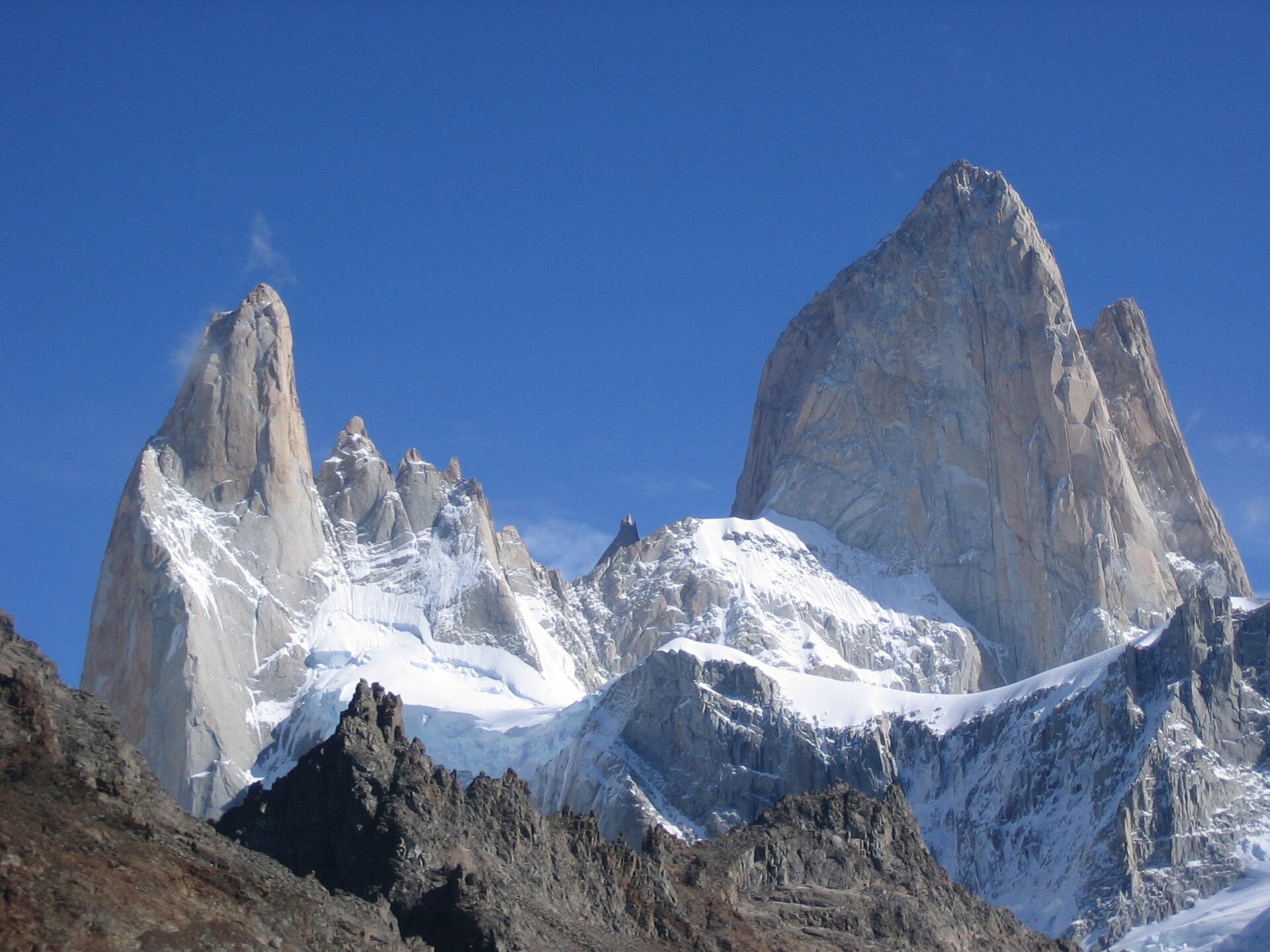
Mount Fitz Roy stands as one of Patagonia’s most iconic landmarks, a jagged peak that dominates the skyline of Los Glaciares National Park. Rising to 3,405 meters, its sharp granite spires pierce the sky, creating a silhouette instantly recognizable to travelers and climbers alike. The mountain was named after Robert FitzRoy, the captain of the HMS Beagle during Charles Darwin’s famous voyage, though its original name, Chaltén, comes from the indigenous Tehuelche people. To them, it was a sacred place, its slopes often shrouded in mist—hence the name, which translates to "smoking mountain."
Reaching the summit of Fitz Roy is no small feat, and that’s precisely what draws experienced mountaineers to its slopes. The first successful ascent didn’t occur until 1952, when a French team led by Lionel Terray and Guido Magnone finally conquered the peak after multiple attempts. Since then, the mountain has become a benchmark for alpine climbers, though its unpredictable weather continues to test even the most skilled. Clear skies can vanish in minutes, replaced by swirling fog and winds strong enough to knock a person off their feet. The challenge lies not just in the technical difficulty but in the mountain’s refusal to be tamed—it demands respect, patience, and humility.
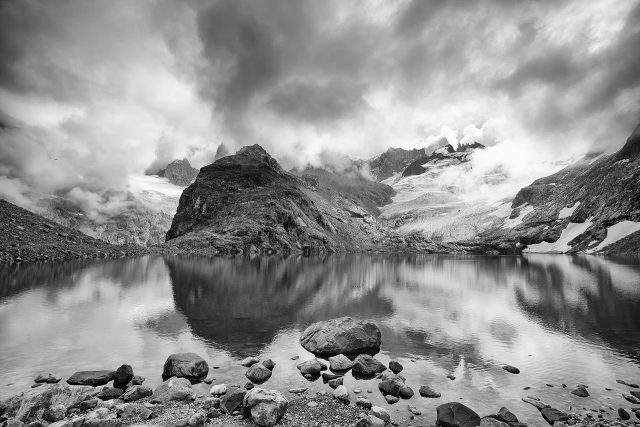
For those who prefer to admire Fitz Roy from a distance, the surrounding trails offer some of the most rewarding hikes in Patagonia. The route to Laguna de los Tres is the most famous, winding through dense lenga forests before ascending steep rocky slopes. The final stretch is a grueling climb, but the reward is unmatched: a glacial lake cradled in a cirque, its still waters reflecting the towering peak above. On clear days, the mountain seems close enough to touch, its sheer faces glowing in the sunlight. Even in less favorable weather, the landscape has a raw beauty, with swirling clouds clinging to the ridges and the occasional rainbow arching over the valley.
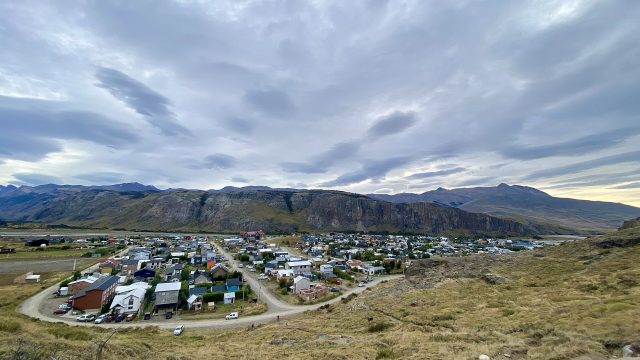
The village of El Chaltén, nestled at the mountain’s base, exists almost entirely for hikers and climbers. There are no grand hotels here, just simple hostels and lodges where travelers gather to share stories over mate or a hot meal. The pace of life is slow, dictated by the rhythms of the trail. Locals are accustomed to the ebb and flow of visitors, offering advice or a friendly word to those setting out for the day. The architecture reflects the harsh environment—low-slung wooden buildings with sloped roofs, designed to withstand the relentless Patagonian winds. There’s no pretension in El Chaltén, no attempt to be anything other than a gateway to the wilderness.
Fitz Roy’s influence extends beyond the climbing community. Its striking profile has inspired artists, photographers, and writers for decades, becoming a symbol of Patagonia’s untamed beauty. The mountain doesn’t just sit in the landscape; it defines it. There’s a sense of reverence here, a feeling that this place exists on its own terms. Unlike more commercialized destinations, there are no souvenir shops or guided tours promising an "authentic experience." What you find instead is something far more genuine: the quiet majesty of the natural world, uninterrupted by modern distractions.
The mountain changes with the seasons, each offering a different perspective. Winter cloaks the slopes in snow, making ascents even more perilous. Spring brings rushing streams and vibrant greens, while summer—December through February—offers the most stable weather, drawing climbers from around the world. Autumn paints the valleys in gold and russet, the crisp air sharpening the outlines of the peaks. Yet no matter the time of year, Fitz Roy remains a constant presence, its sheer walls a reminder of nature’s indifference to human plans.
A visit to Fitz Roy is as much about the journey as the destination. The surrounding landscapes are a microcosm of Patagonia’s diversity, where glaciers grind against rock, turquoise lakes mirror the sky, and windswept steppes stretch endlessly. Wildlife thrives here, from herds of guanacos grazing on the slopes to the elusive puma, though spotting one is rare. The flora is equally resilient, with hardy shrubs and ancient lenga trees clinging to life in the thin, rocky soil. Every hike reveals something new—a hidden waterfall, a sudden clearing with a view of the Southern Patagonian Ice Field, or the distant call of a condor circling overhead.
What makes Fitz Roy truly special is its ability to strip away the noise of everyday life. There’s no room for distraction here, no rushing from one attraction to the next. The mountain sets the pace, and those who come must adapt. For some, that means pushing their limits on a multi-day climb; for others, it’s simply sitting by a lake, watching the light shift across the granite faces. The experience is deeply personal, yet universally humbling. It’s a place that doesn’t just offer views—it offers perspective.
Those who spend time in El Chaltén often leave with more than just photographs. There’s a sense of connection here, not just to the landscape but to something larger. Fitz Roy doesn’t reveal itself all at once; it unfolds slowly, through days of hiking, waiting, and observing. The mountain rewards patience, whether it’s the moment the clouds part to reveal the summit or the quiet satisfaction of a long trek completed. It’s a reminder that some of the most meaningful experiences can’t be rushed or packaged—they have to be earned. And for those who make the journey, Fitz Roy lingers long after they’ve left, a silent promise that some places in the world remain wild, untamed, and utterly unforgettable.