Perched on a quiet hill in the heart of Byblos, the Cathedral of St. John Mark feels like a place where time has settled into the stones. Built in the 12th century by Crusaders, it stands as a modest yet enduring testament to the layers of history that define this ancient city. Byblos itself is one of the oldest continuously inhabited places in the world, a coastal town where Phoenician sailors once set out to chart the Mediterranean, and where later civilizations—Roman, Byzantine, and Arab—left their marks. The cathedral, though small, carries the weight of these centuries in its thick walls and weathered arches.
The architecture is unassuming but deliberate, a blend of European medieval styles and local building traditions. The exterior is sturdy, with narrow slit windows that hint at its past as both a place of worship and a refuge during sieges. Inside, the space is divided into three naves by rows of columns, some of which were repurposed from earlier structures—a common practice in Lebanon, where history is often recycled into new forms. The walls bear faint traces of frescoes, their colors faded by time and damp, but enough remains to suggest the solemn beauty of medieval religious art.
What makes the cathedral particularly interesting is its connection to the broader story of Byblos. The Crusaders who built it saw the city not just as a strategic stronghold but as a spiritual crossroads. They dedicated it to St. John Mark, the patron saint of Venice, a nod to the Venetian merchants who frequented these shores. When the Crusaders eventually withdrew, the cathedral endured periods of neglect, but it never vanished entirely. Instead, it became part of the city’s living fabric, a place where local Maronite Christians still gather for services today.
Visiting the cathedral is less about grand spectacle and more about quiet discovery. Unlike the towering cathedrals of Europe, this one doesn’t dominate the skyline. It sits humbly among the narrow streets of the old town, surrounded by sandstone houses with arched doorways and balconies draped in bougainvillea. The air carries the scent of the sea, and from a small terrace nearby, you can look out over the Mediterranean, the same waters that once brought traders, pilgrims, and conquerors to these shores.
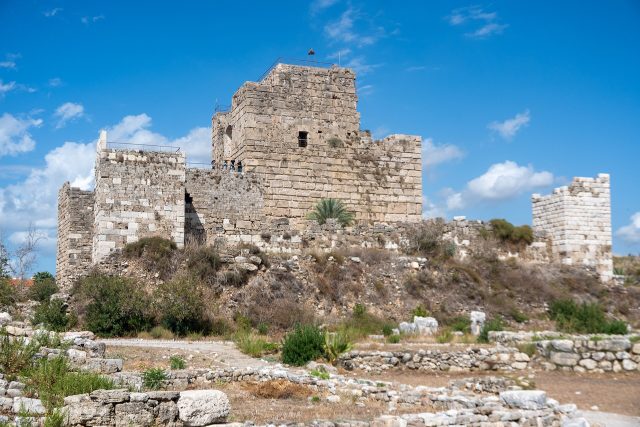
Byblos itself is a place where history isn’t confined to museums. The cathedral is just one piece of a much larger puzzle. A short walk away, you’ll find the ruins of Phoenician temples, Roman columns, and Byzantine churches, all woven together in a landscape that has seen empires rise and fall. The Crusader fortress looms over the harbor, a reminder of the city’s strategic importance, while the old souk buzzes with the everyday life of modern Lebanon. The contrast between the ancient and the contemporary is seamless here, as if the past and present exist side by side without conflict.
The best way to experience the cathedral is to wander through Byblos without a strict plan. Start at the Phoenician temple, where the city’s origins are still visible in the worn stones, then meander through the Roman ruins before climbing the hill to the cathedral. Along the way, you’ll pass cafés serving strong Lebanese coffee and fresh seafood, their tables spilling onto the cobblestone streets. In the evening, the harbor lights reflect on the water, and the sound of waves blends with the murmur of conversation from nearby restaurants.
There’s something unassuming about the Cathedral of St. John Mark that makes it feel more authentic than many grander monuments. It doesn’t demand attention; it simply exists, a quiet witness to the centuries that have shaped Byblos. The lack of crowds and commercialization adds to its charm, allowing visitors to step into a slower rhythm, where the past isn’t just remembered but still lingers in the air. For those who take the time to explore, the cathedral offers a glimpse into the soul of a city that has seen it all yet remains remarkably unchanged.