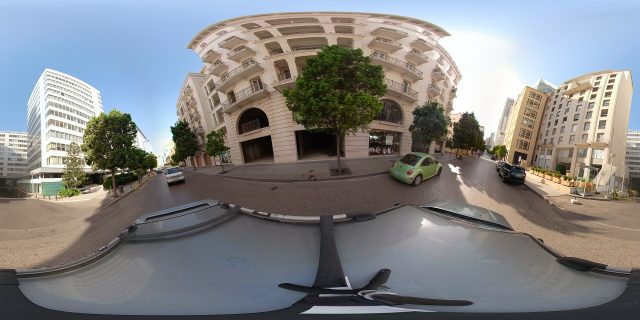
Robert Mouawad’s private museum in Beirut is one of those rare places where history feels alive, not because of grand displays or crowds of tourists, but because of the quiet passion that shaped it. Housed in a stately mansion built in the early 20th century, the museum stands as a testament to a time when Beirut was a crossroads of cultures, where Ottoman elegance met European refinement. The building itself, with its high ceilings, intricate woodwork, and stained-glass windows, invites visitors to step into a different era—one of merchants, diplomats, and collectors who once called this city home.
The man behind the collection, Robert Mouawad, was not a typical collector. His interests were deeply personal, shaped by a lifelong fascination with objects that carried stories. Over decades, he gathered artifacts that spoke to him, whether a Phoenician coin, a piece of Qing dynasty porcelain, or a medieval manuscript. There’s no attempt here to present a comprehensive history of Lebanon or the wider region. Instead, the museum feels like a curated glimpse into one man’s curiosity—a reflection of what moved him, from antique maps of the Levant to rare examples of Arabic calligraphy.
Walking through the rooms, it’s clear that the museum was designed to feel more like a home than an institution. In the sitting room, antique furniture surrounds a collection of clocks, each with its own character. Some are delicate pocket watches from the 19th century, while others are imposing grandfather clocks that chime the hour with a deep resonance. Nearby, a display of jewelry showcases the craftsmanship of Ottoman artisans, their filigree work and precious stones hinting at the region’s rich traditions. The collection of weapons is equally varied, featuring daggers with ivory handles, antique pistols, and even a few swords once wielded by local feudal lords.
Yet the museum is more than just a showcase of rare objects. It’s an effort to preserve the everyday culture that has shaped Lebanon over centuries. One room holds items that offer a glimpse into the lives of Beiruti families through the ages—copper coffee pots, hand-embroidered tablecloths, and clay pottery unearthed from nearby archaeological sites. Old photographs line the walls, capturing the city as it was in the early 1900s, before the devastation of civil war, when Beirut was already a cosmopolitan hub open to the world.
The museum’s library is a treasure in its own right. Far from a mere collection of books, it’s a repository of knowledge, filled with rare volumes on Middle Eastern history, art, and architecture. Among its holdings are antique atlases, illustrated manuscripts, and handwritten copies of the Quran, each a testament to the skill of the calligraphers who created them. While access is limited, researchers who have worked here often remark on the atmosphere—one that encourages quiet reflection and discovery.
This isn’t a place for mass tourism. There are no guided tours, no souvenir shops, and no crowds. Visits are by appointment only, which lends the museum an air of exclusivity, as if you’ve been invited into someone’s private home to share in their most cherished possessions. The absence of an admission fee only reinforces this feeling—it’s a space that values connection over commerce.
Beirut is a city of contrasts, where modern skyscrapers stand alongside ancient ruins, and bustling streets give way to quiet courtyards. The Robert Mouawad Museum embodies these contrasts in its own way. There’s no grandiosity here, no attempt to impress with scale. Instead, there’s an authenticity that lingers long after you’ve left. It’s the kind of place where you might spend an afternoon examining the details of a centuries-old letter, or simply sitting by a window, watching the light play across the stained glass.
In recent years, the museum has quietly expanded its role beyond that of a collector’s sanctuary. Occasionally, it hosts small cultural events—lectures on Lebanese history, classical music concerts, or exhibitions by contemporary artists whose work resonates with Mouawad’s collection. These gatherings are never widely advertised, but those who attend often leave with a new appreciation for the museum, seeing it not as a static monument, but as a living space that continues to evolve.
A visit to the Robert Mouawad Museum isn’t just about seeing artifacts; it’s about experiencing history through the lens of one man’s passion. There are no rigid rules here, no prescribed paths to follow. Instead, you’re free to wander, to pause where something catches your eye, and to let the objects speak for themselves. In a world that often prioritizes speed and superficiality, places like this remind us that the most meaningful stories are often found in the smallest details.