Perched on a hilltop a short distance from Bhaktapur, Changu Narayan feels like a place where time has quietly settled into stillness. The temple complex, though surrounded by the modern world, retains an air of timelessness, as if the centuries have left it untouched. It isn’t just a monument or a tourist stop—it’s a living piece of history, a testament to the faith, artistry, and traditions that have shaped the Kathmandu Valley for generations.
Dedicated to Vishnu in his Narayan form, Changu Narayan is often considered one of Nepal’s oldest temples. While its exact origins are lost to history, stone inscriptions found here date back to the fifth century. One of these, carved in Sanskrit, mentions King Mandev I, suggesting that even then, the site held deep religious significance. Over the centuries, the temple has been rebuilt and expanded, yet its core remains unchanged—a modest yet striking stone structure with a two-tiered roof, adorned with intricate carvings that speak of devotion and craftsmanship.
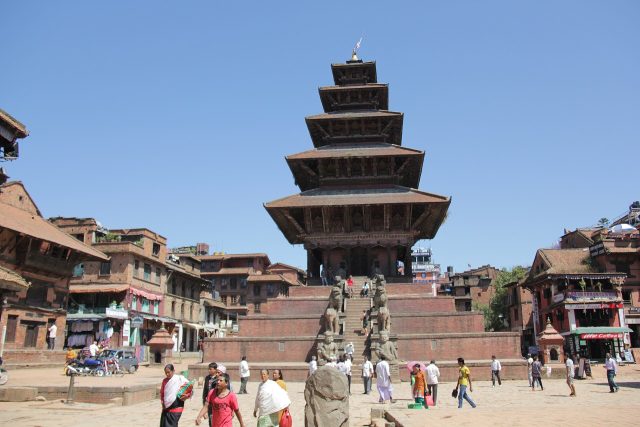
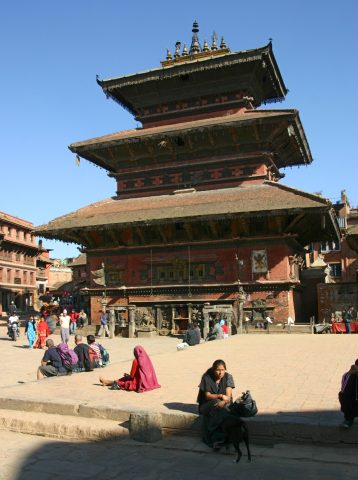
The architecture of Changu Narayan is a fine example of the Newari style, which flourished in the Kathmandu Valley. The main temple stands on a high stone platform, its steep staircases leading up to a roof covered in gilded plates and crowned with traditional spires. Wooden beams are carved with figures of gods, mythical creatures, and animals, each detail telling a story. Four entrances, each guarded by stone lions and griffins, invite visitors into the inner sanctum, where a black stone statue of Vishnu draws pilgrims from across the country.
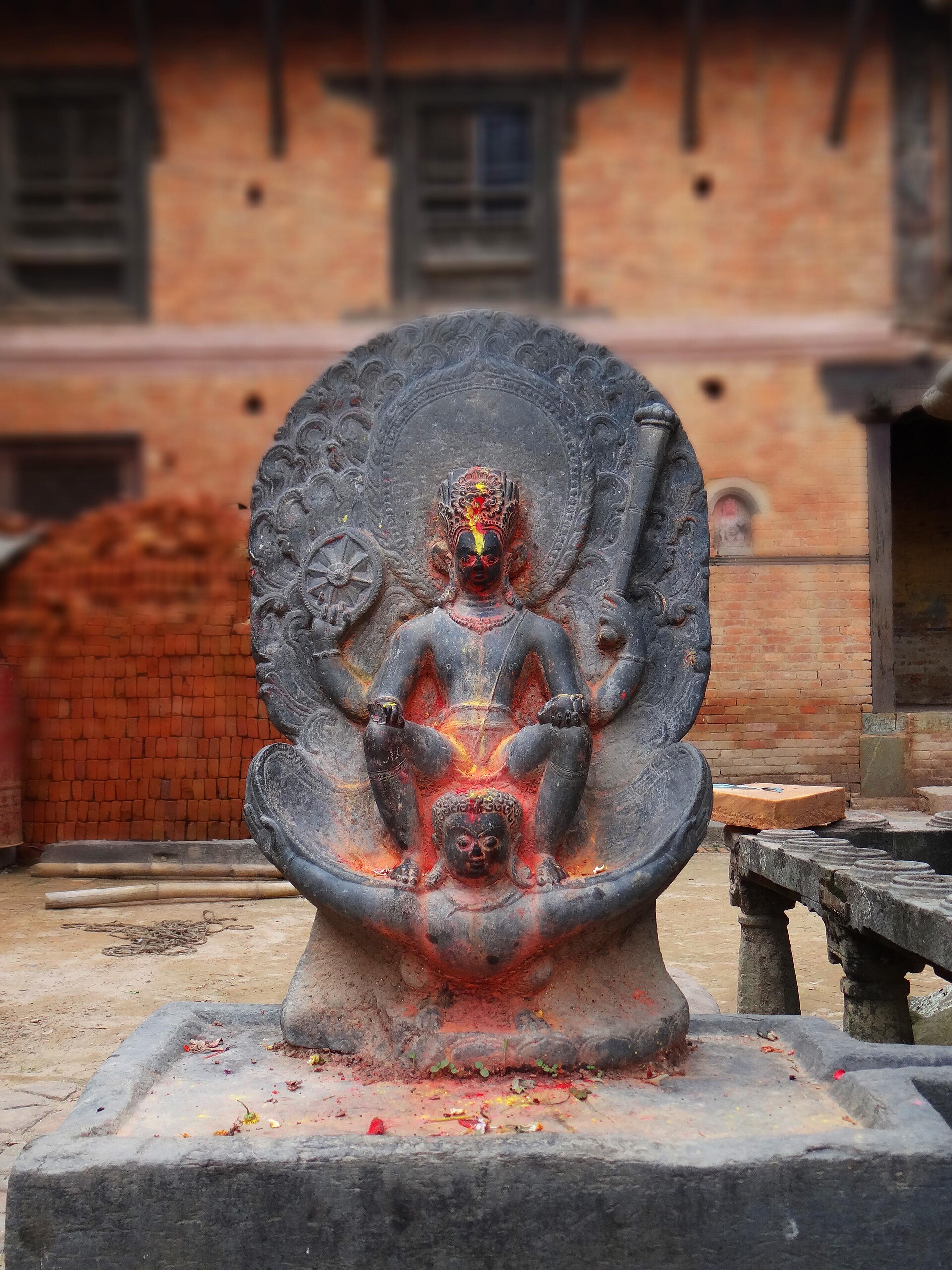
Beyond the main temple, the complex unfolds into a network of smaller shrines, pagodas, and sculptures dedicated to various Hindu deities. Images of Shiva, Lakshmi, Saraswati, and others stand alongside lingams and inscribed stone slabs, each piece contributing to the site’s spiritual weight. One of the most striking features is the statue of Vishnu as Vishvarupa—a multi-armed, multi-headed figure symbolizing the universe itself. Every corner of the complex feels deliberate, as if the very stones carry the echoes of ancient rituals and beliefs.
For the Newar people, who have long been the cultural heart of the Kathmandu Valley, Changu Narayan is more than a religious site—it’s a cornerstone of their heritage. The temple remains a focal point for festivals, such as the Changu Narayan Jatra, when the statue of Vishnu is paraded through nearby villages amid music, dance, and prayers. These celebrations aren’t just performances for visitors; they’re living traditions, passed down through generations, keeping the connection between past and present alive.
Reaching Changu Narayan is part of the experience. The road winds through terraced fields and quiet villages, where life moves at a pace unchanged for centuries. From the hilltop, the view stretches across the Kathmandu Valley, a patchwork of green fields and distant temple spires. On clear days, the snow-capped peaks of the Himalayas rise in the distance, a reminder of the vastness that surrounds this small, sacred place.
Unlike the bustling temples of Kathmandu or Patan, Changu Narayan offers a sense of quiet reverence. Even during peak seasons, it’s possible to find a secluded spot to sit on a stone bench, listening to the rustle of leaves from the sacred bodhi tree nearby. Locals often visit not just to pray, but to relax, chat with friends, or simply enjoy the stillness. There’s a sense of continuity here, as if the modern world hasn’t quite managed to disrupt the rhythm of the place.
For those curious about Nepal’s history and culture, Changu Narayan is a treasure. It’s a place where you can spend hours examining carved panels depicting mythological scenes, deciphering ancient inscriptions, or watching pilgrims perform their rituals. Unlike many other temples in the valley, this complex has largely withstood earthquakes and the passage of time, preserving its authenticity. That makes it all the more valuable—a window into how people once lived, worshipped, and understood the world.
Changu Narayan isn’t the kind of place you rush through in half an hour. It demands patience, a willingness to slow down, and perhaps even a quiet surrender to its pace. There’s no urgency here, no pushy vendors, no need to hurry. You can sit on the temple steps, close your eyes, and let the scent of incense drift on the breeze while the distant sound of a prayer bell lingers in the air. That’s the magic of Changu Narayan—its ability to gently pull you back to something simple, something enduring.